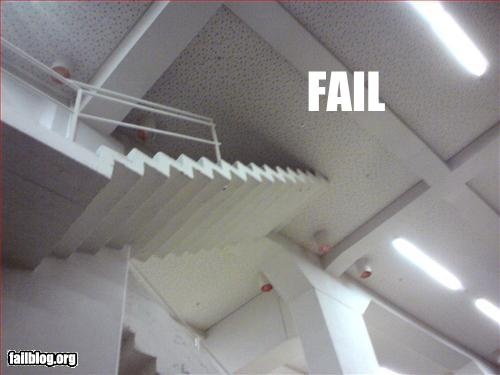
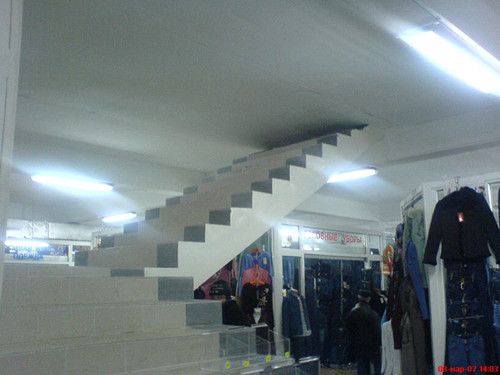
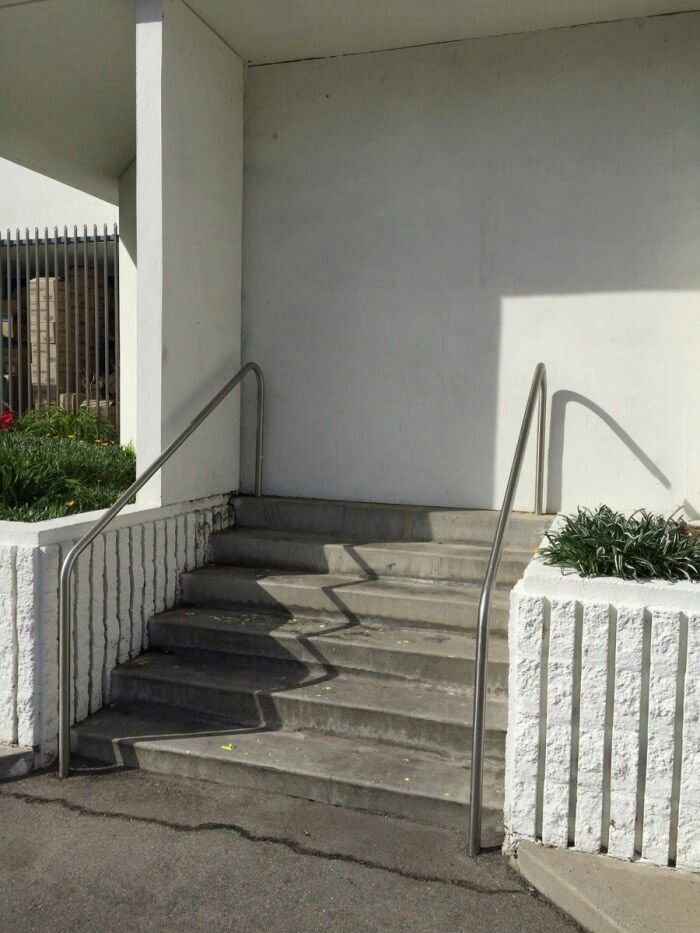
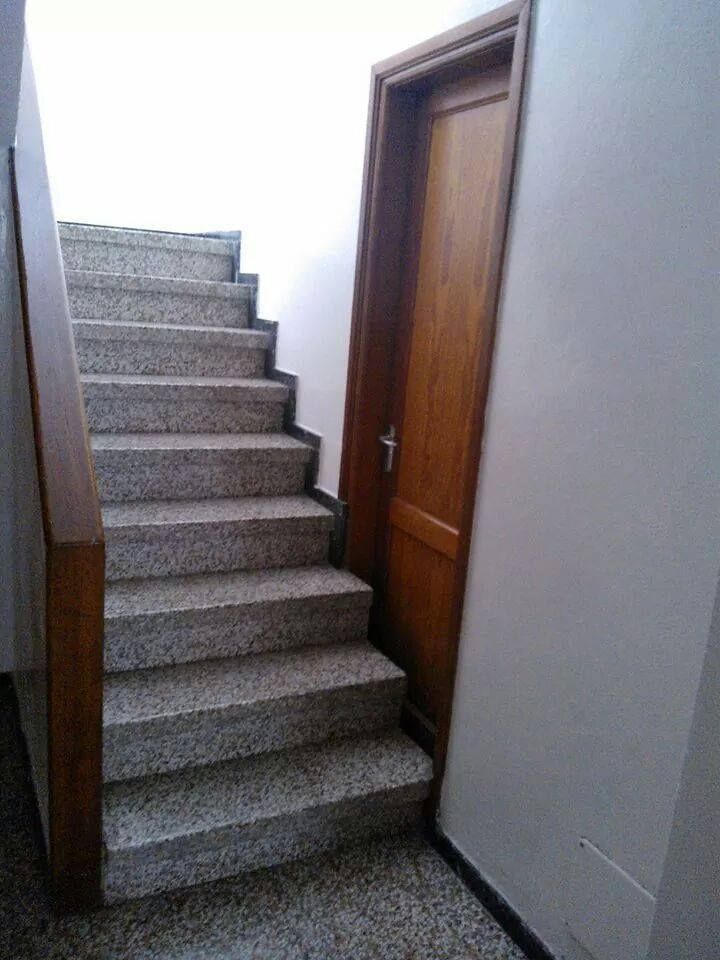
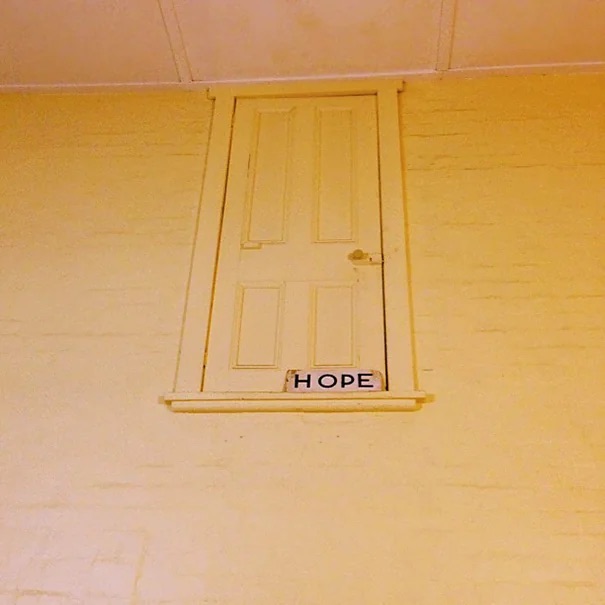
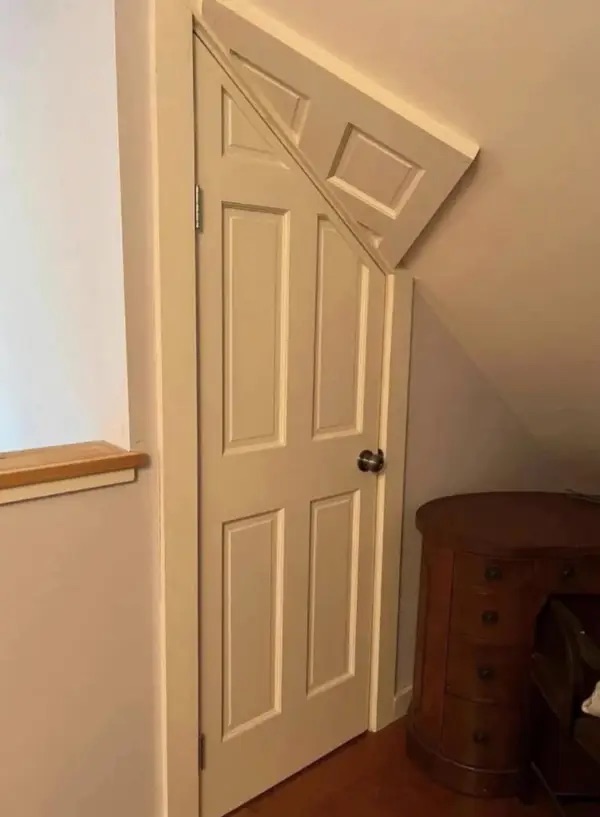
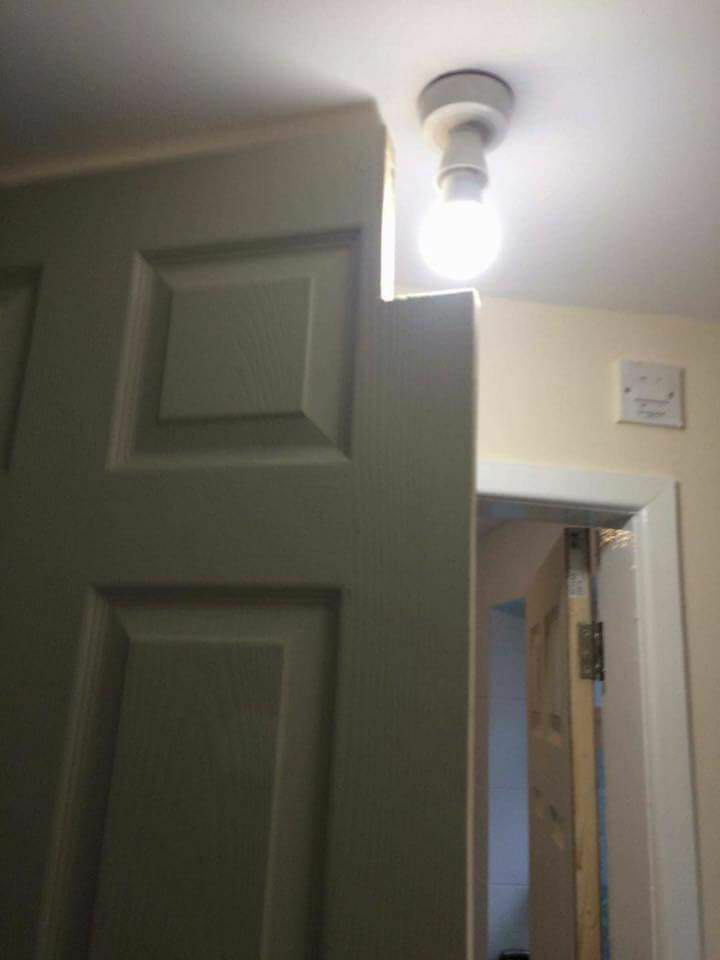
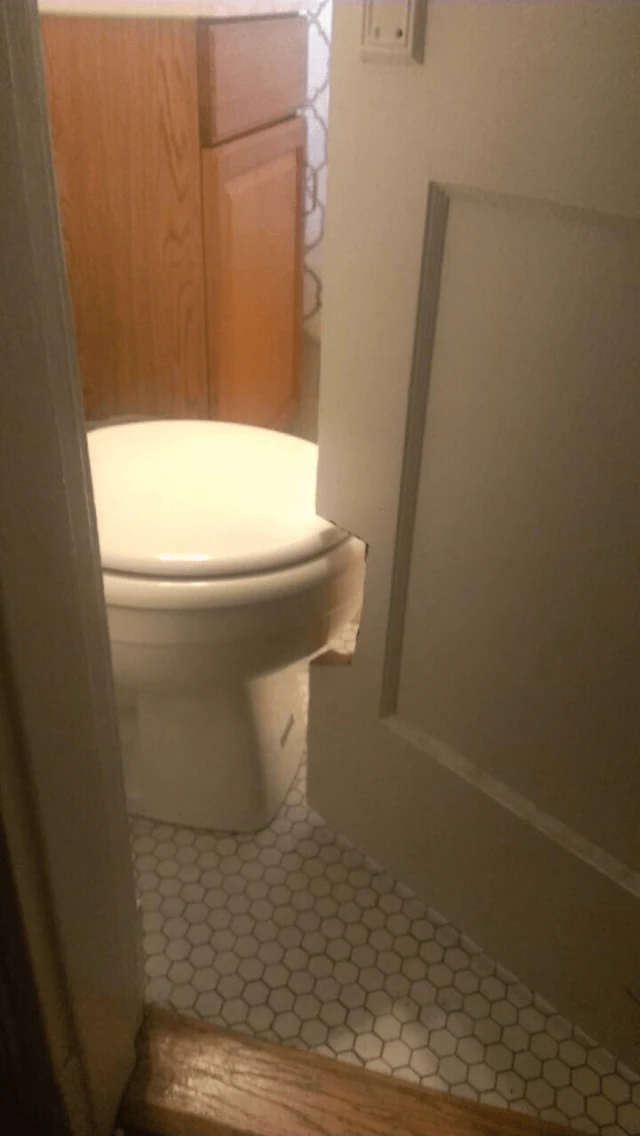
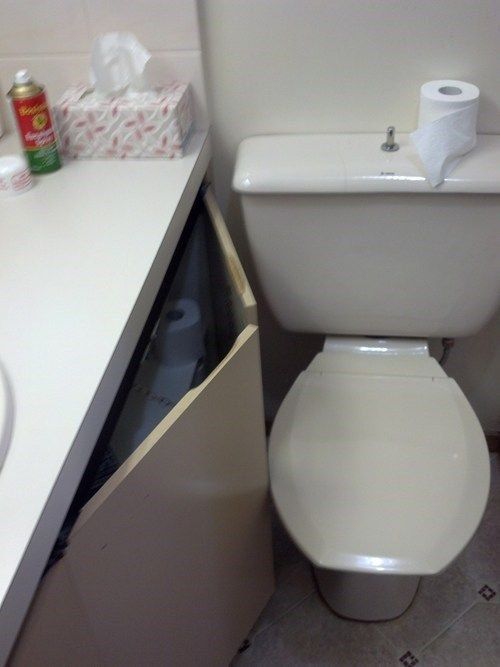
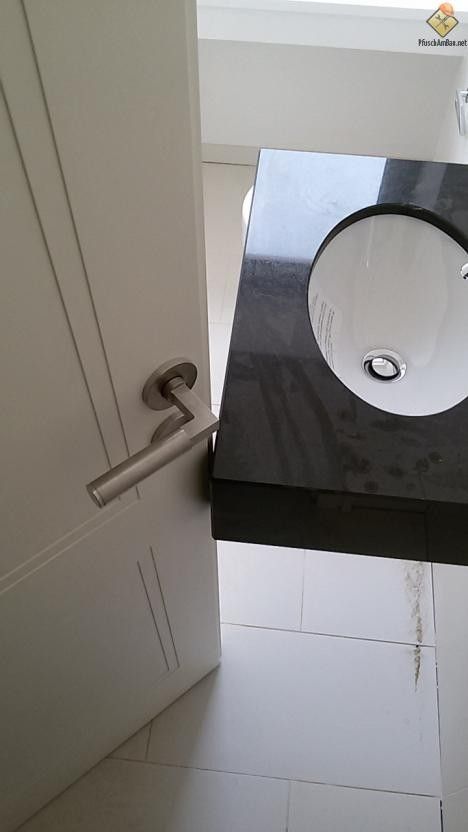
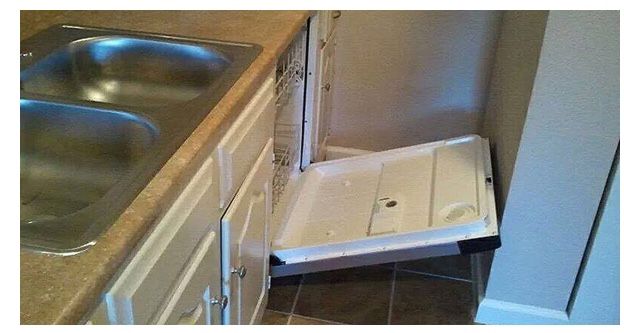
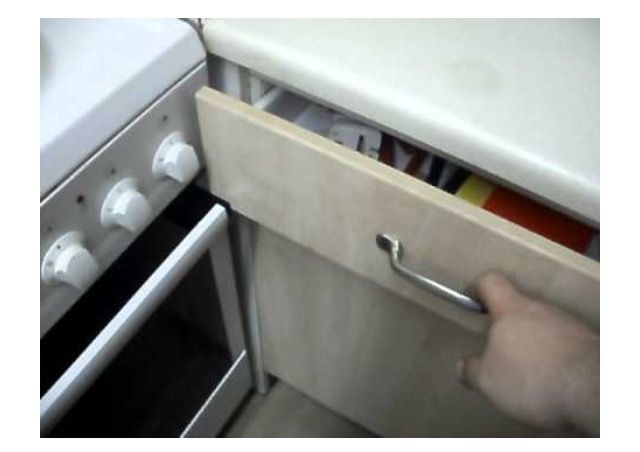
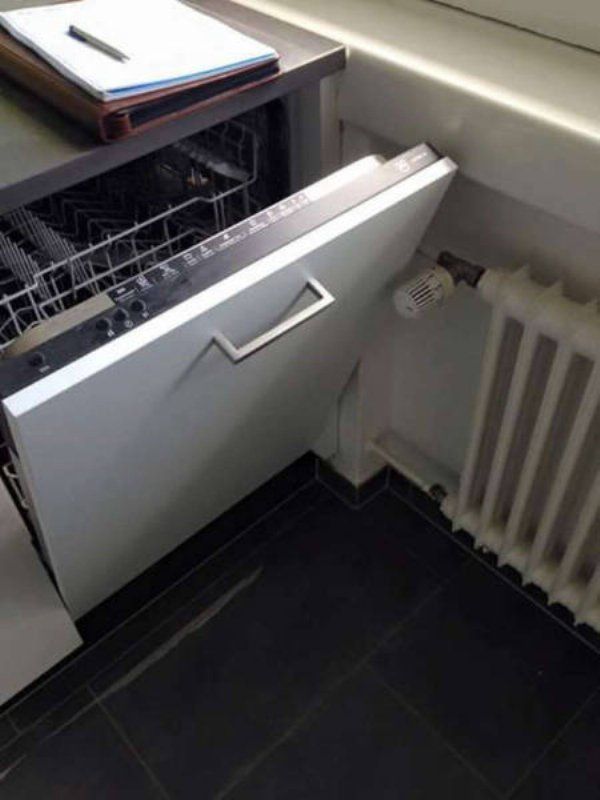
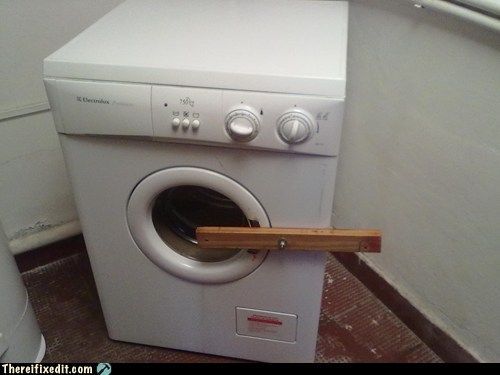
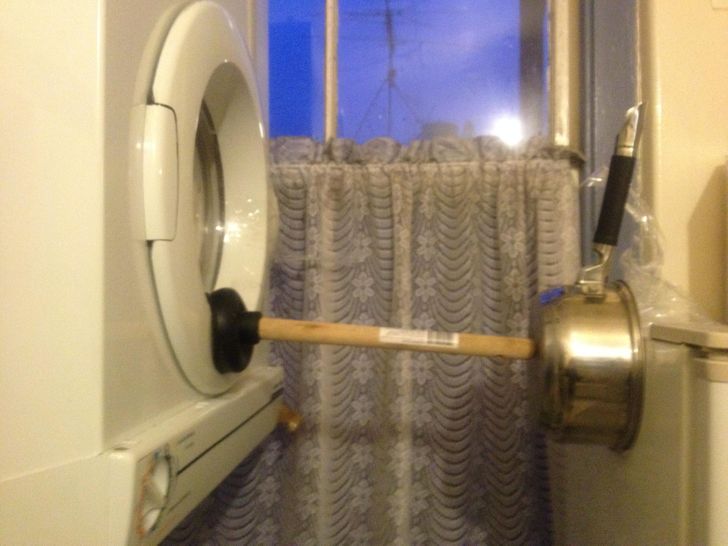
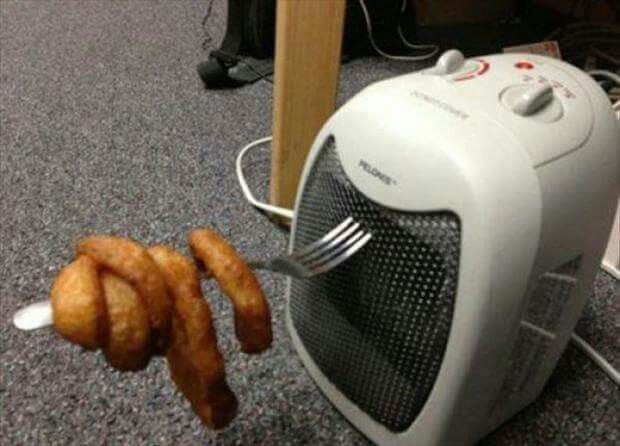
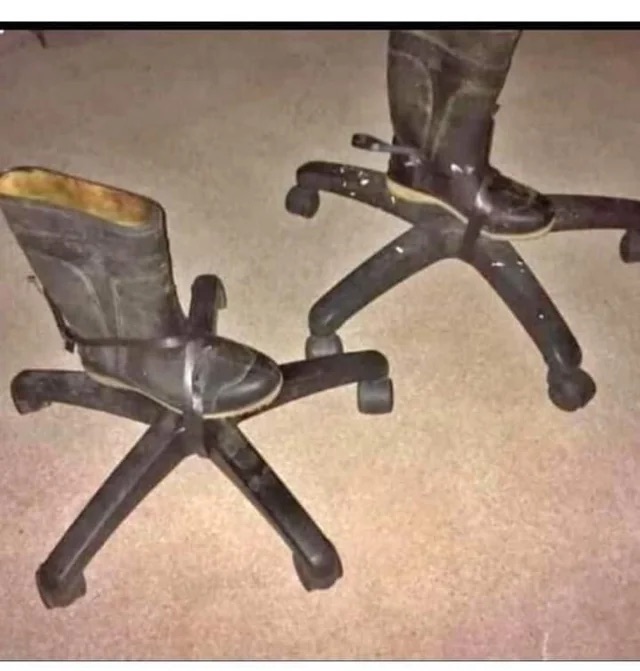
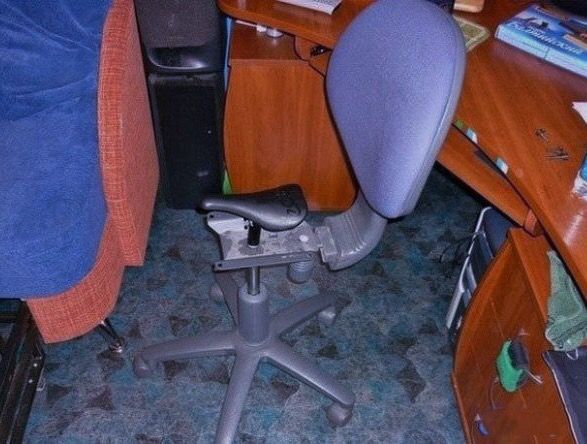
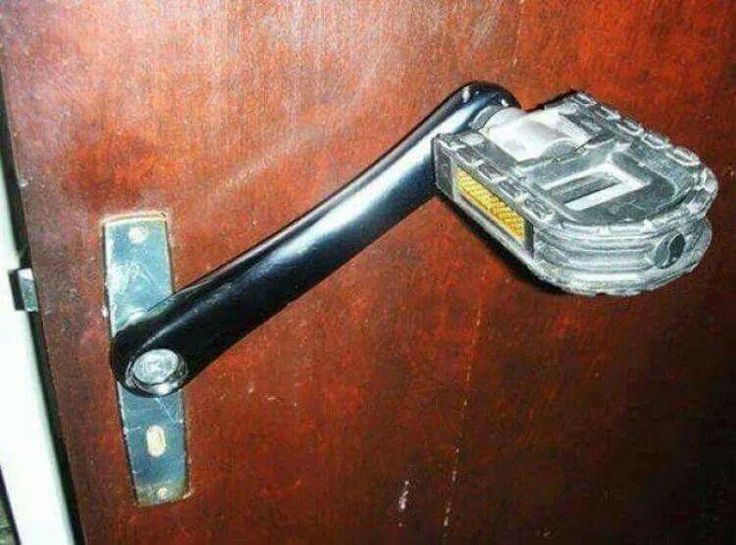
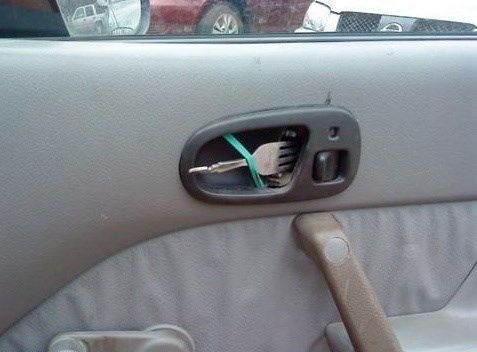
The images found on various platforms, primarily Pinterest, were
reinterpreted and recontextualized using Malpass’s context-transfer
method. The goal of this creative exploration was to engage with the
culture of appropriation, framing the images within a light Horatian
satire. Through this process, the project seeks to construct a visual
lexicon that contributes to an understanding of how appropriation can
function as a critical and humorous tool in contemporary design.
The motivation for this project stemmed from a desire to build on the
project developed the previous year,
"Finders Keepers, Losers Weepers",
by further exploring the critical and humorous potential of images of
improvisation and functional failure.
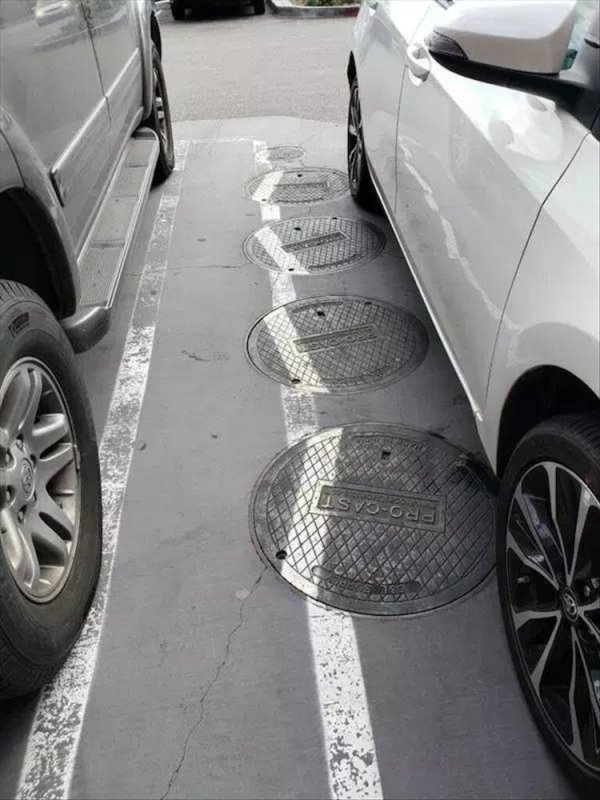
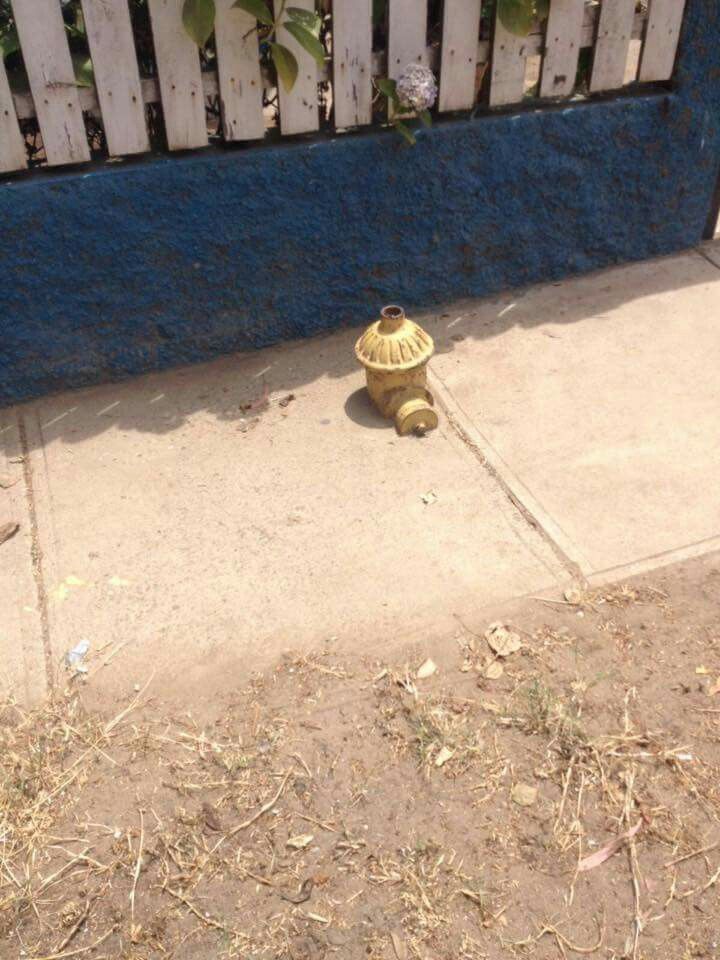
This project is a creative exploration of appropriation, achieved
through the collection and aggregation of images documenting poorly
executed interventions in public and domestic spaces across 15
distinct categories, highlighting different approaches to working with
pre-existing material on the web. By extracting images from various
websites, platforms, and blogs, we collect fragments of the digital
landscape and then recontextualize them, giving them a new narrative
by categorizing them.
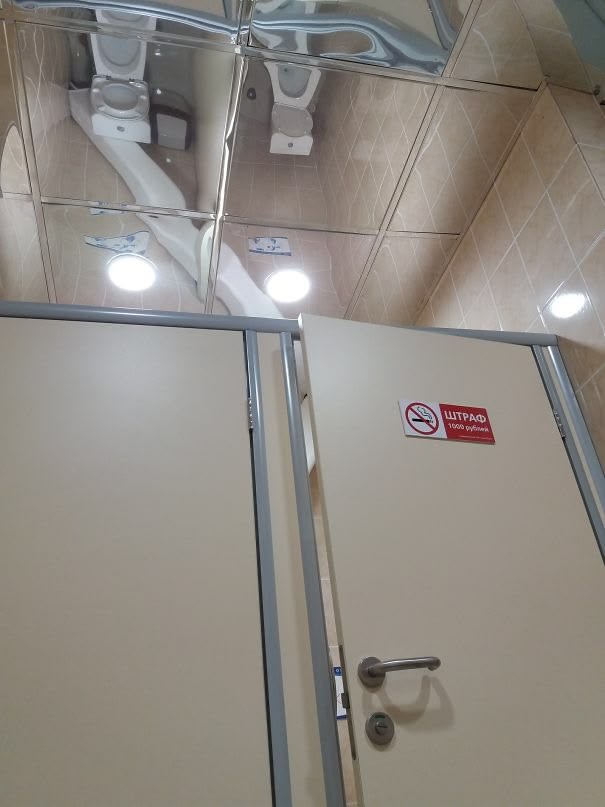
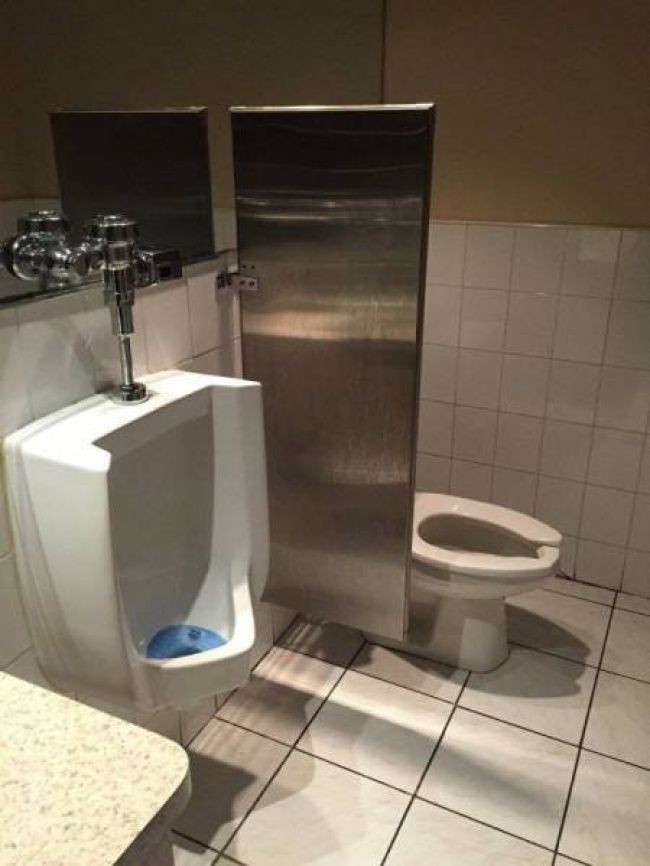
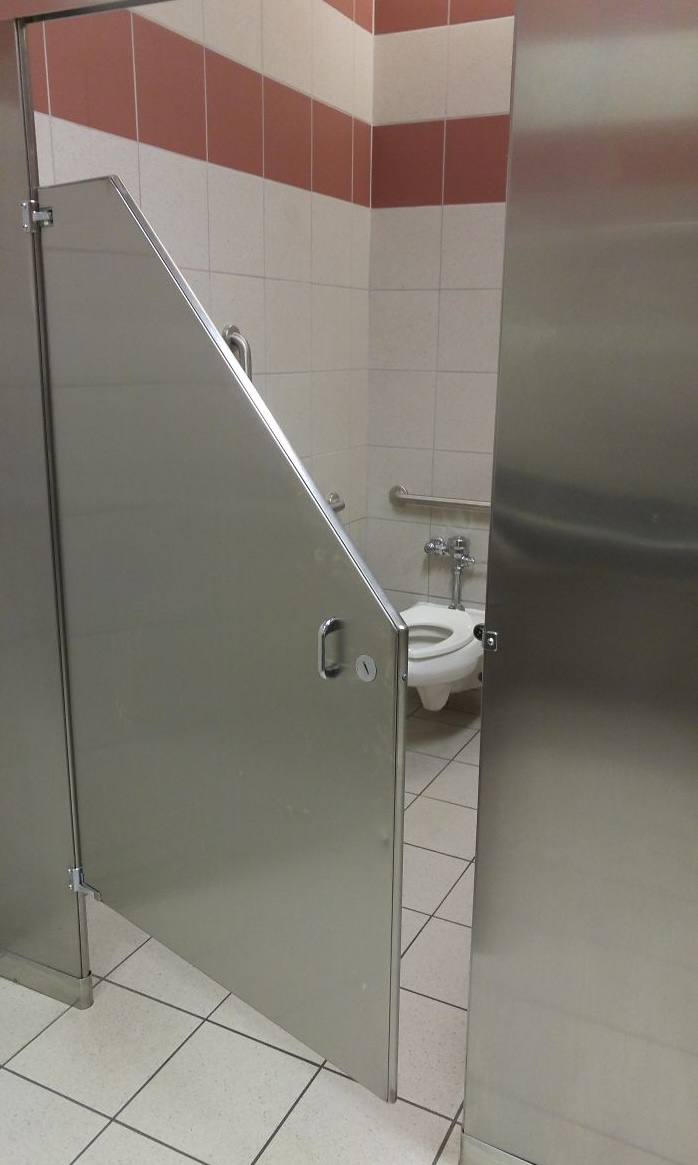
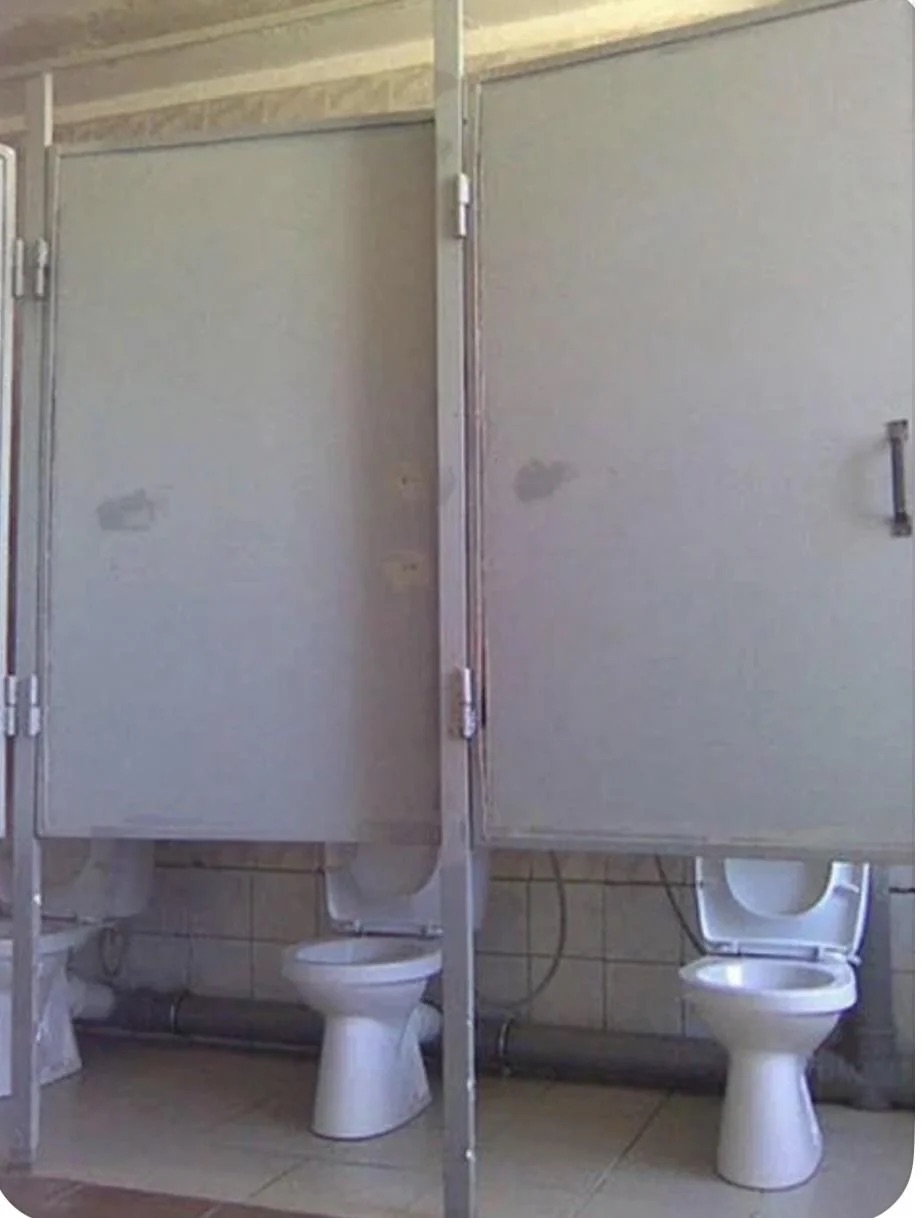
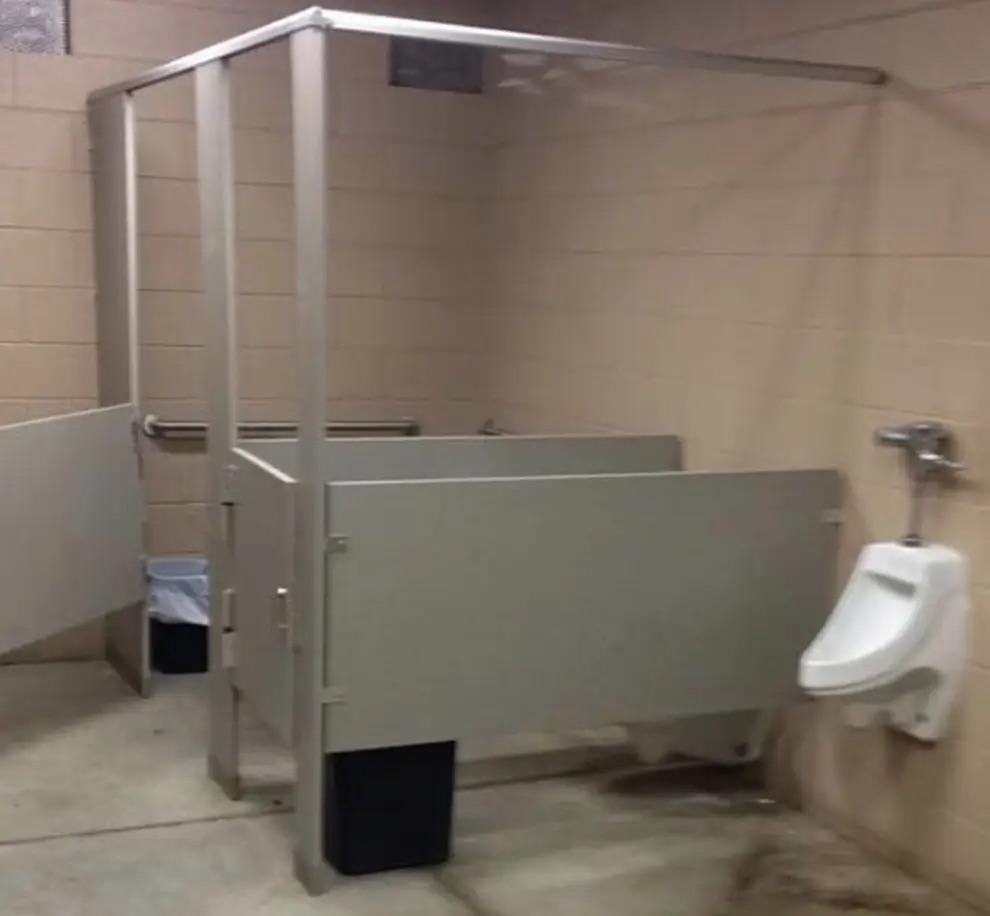
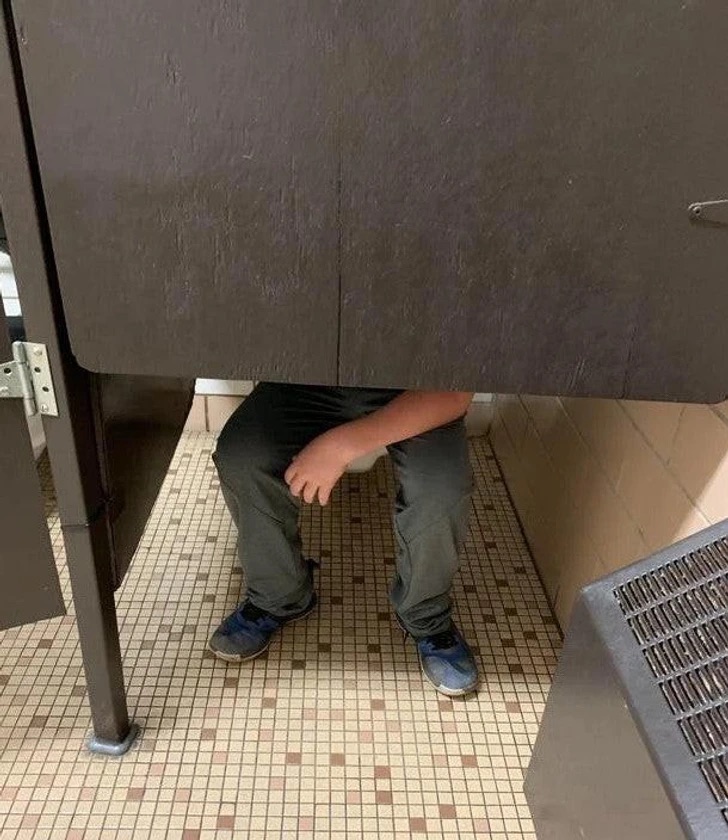
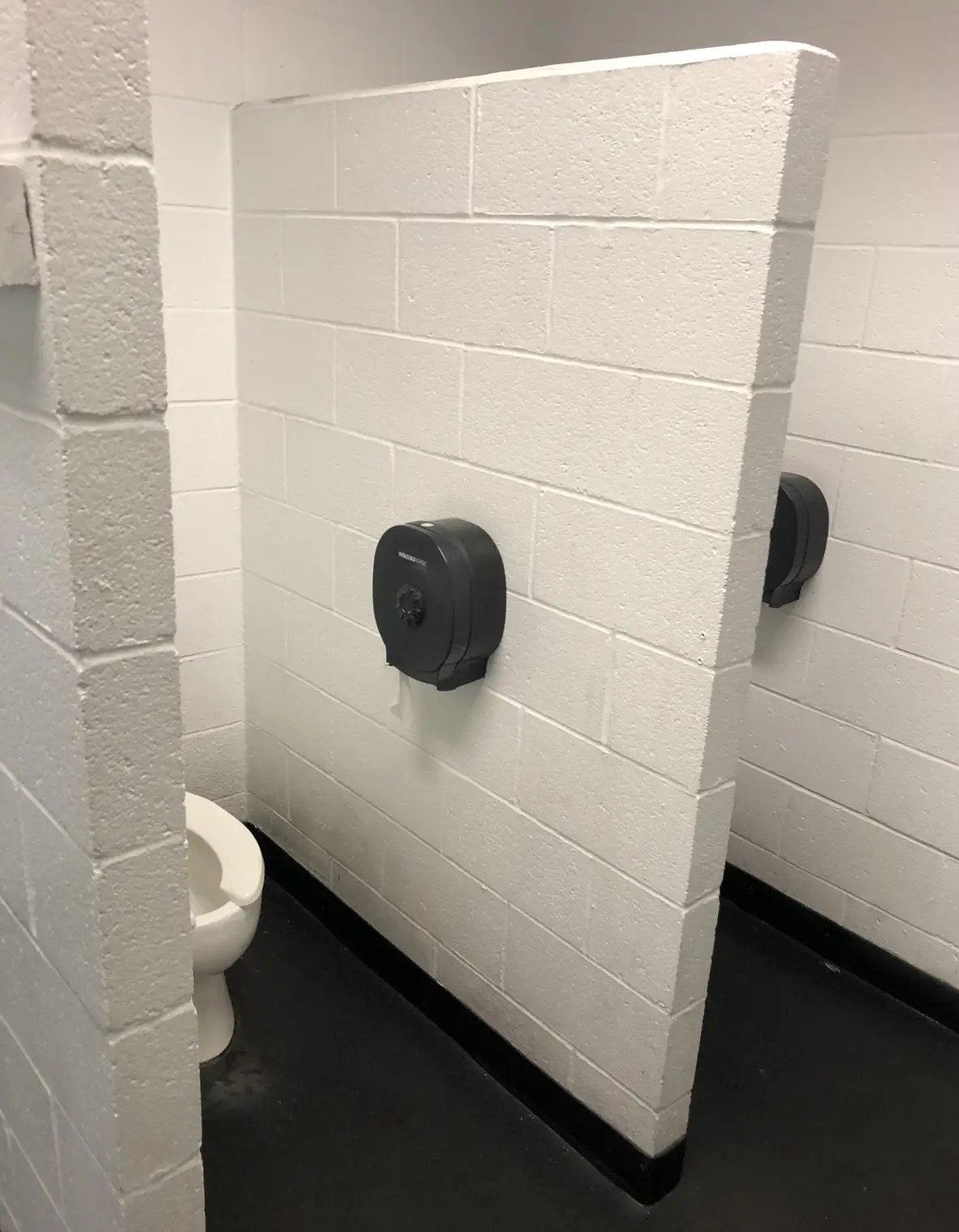
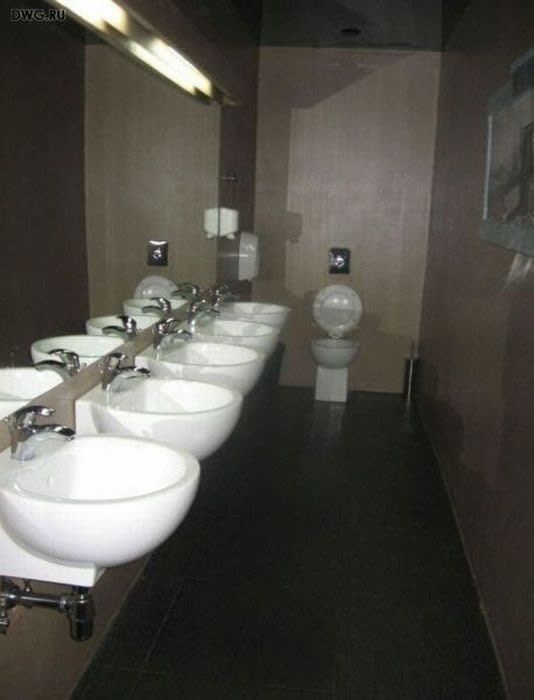
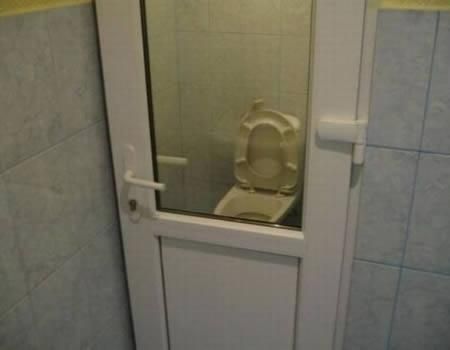
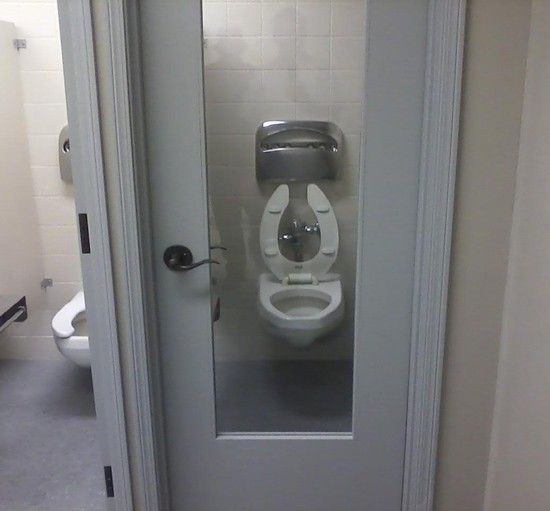
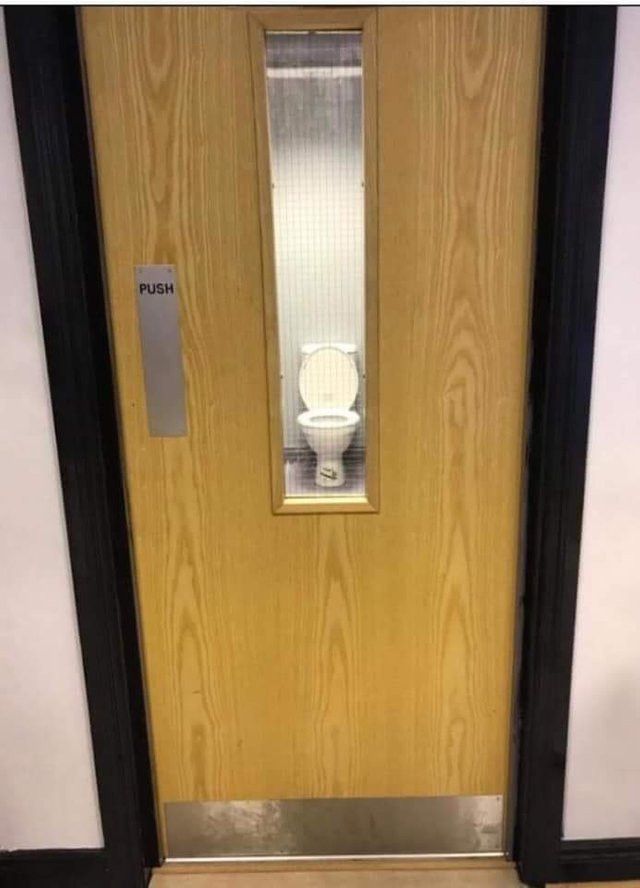
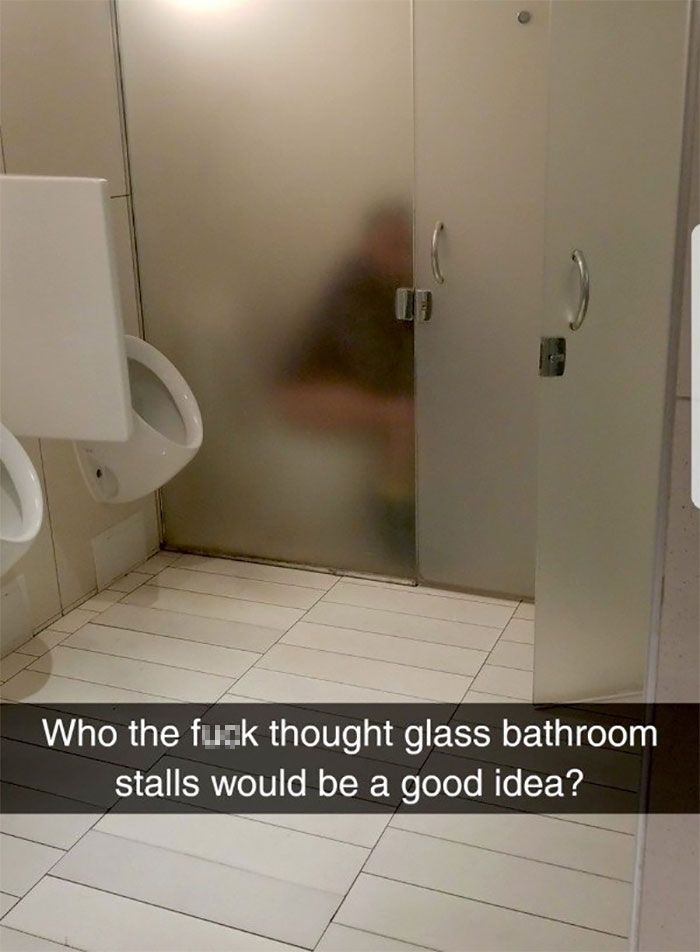
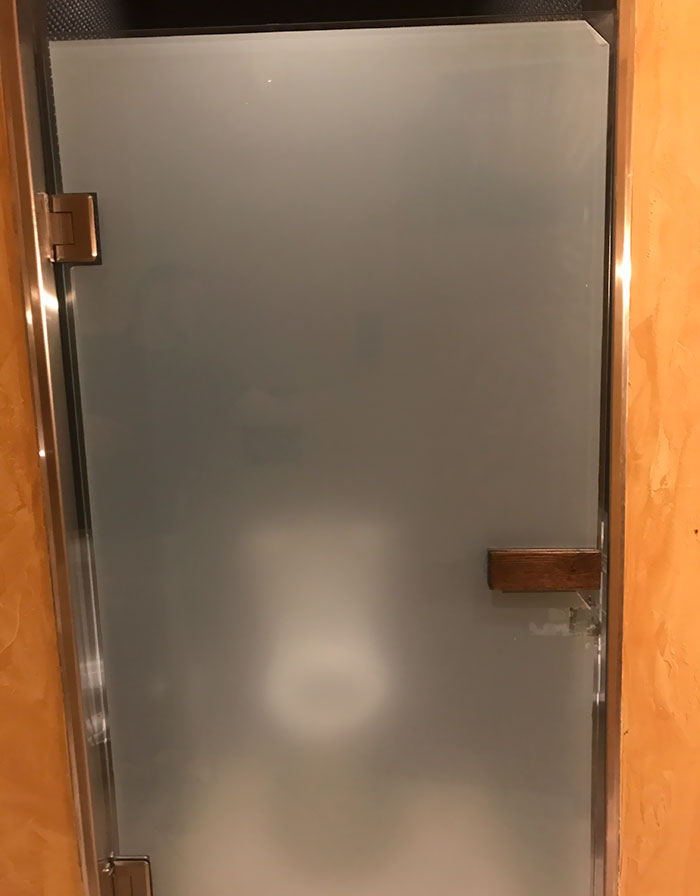
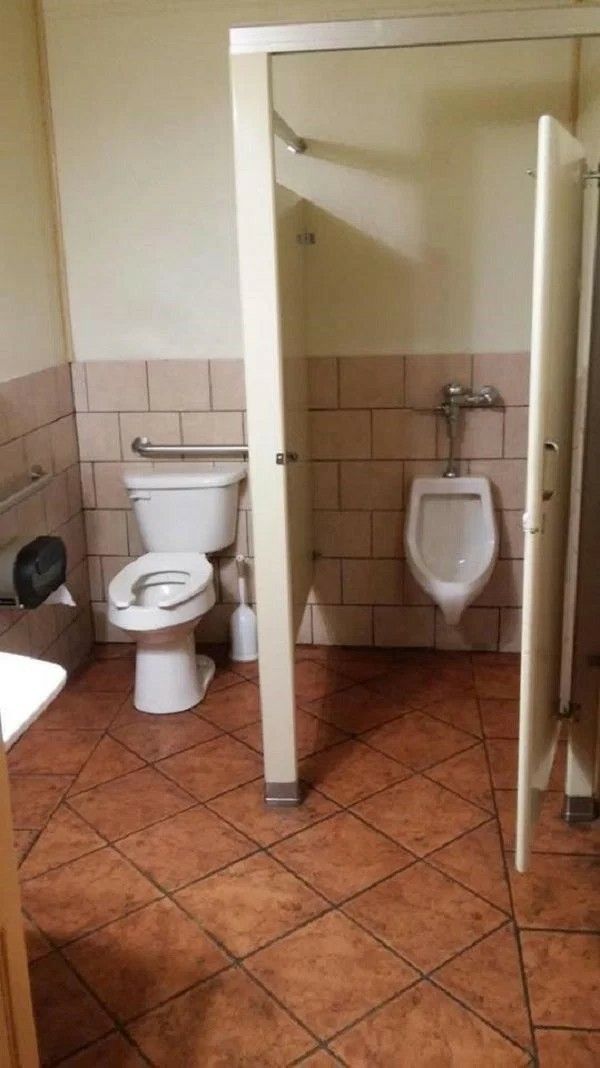
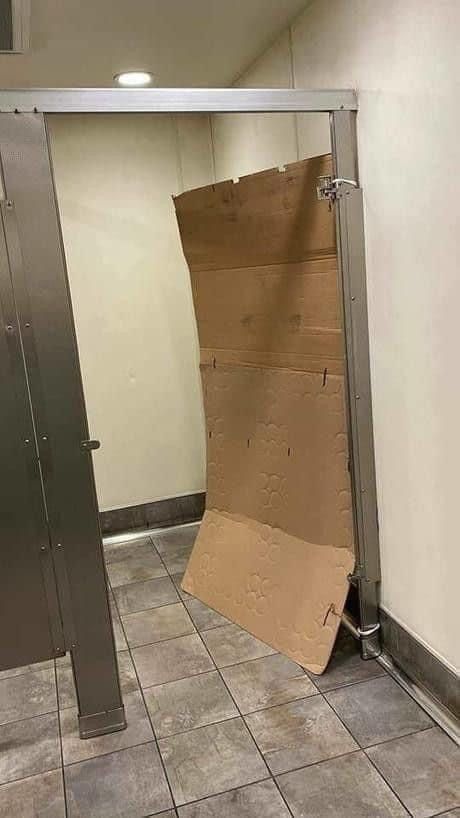
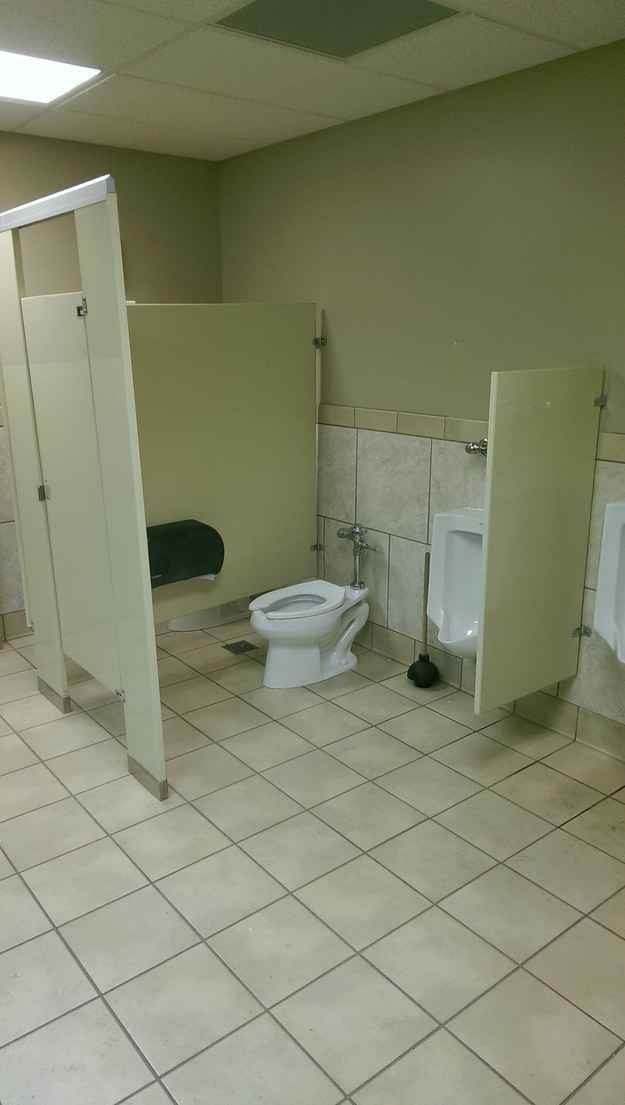
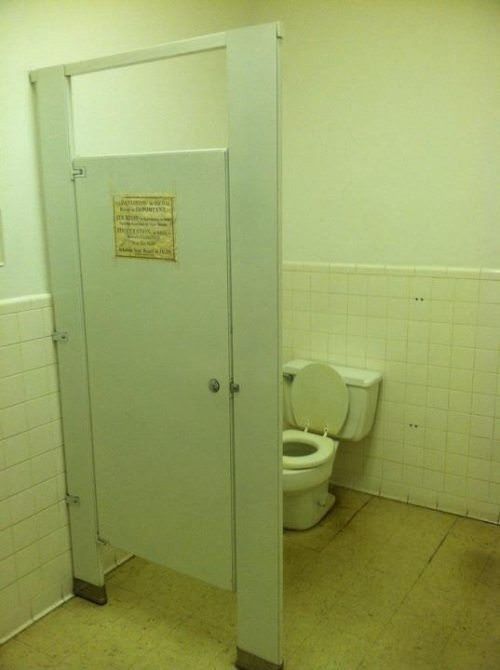
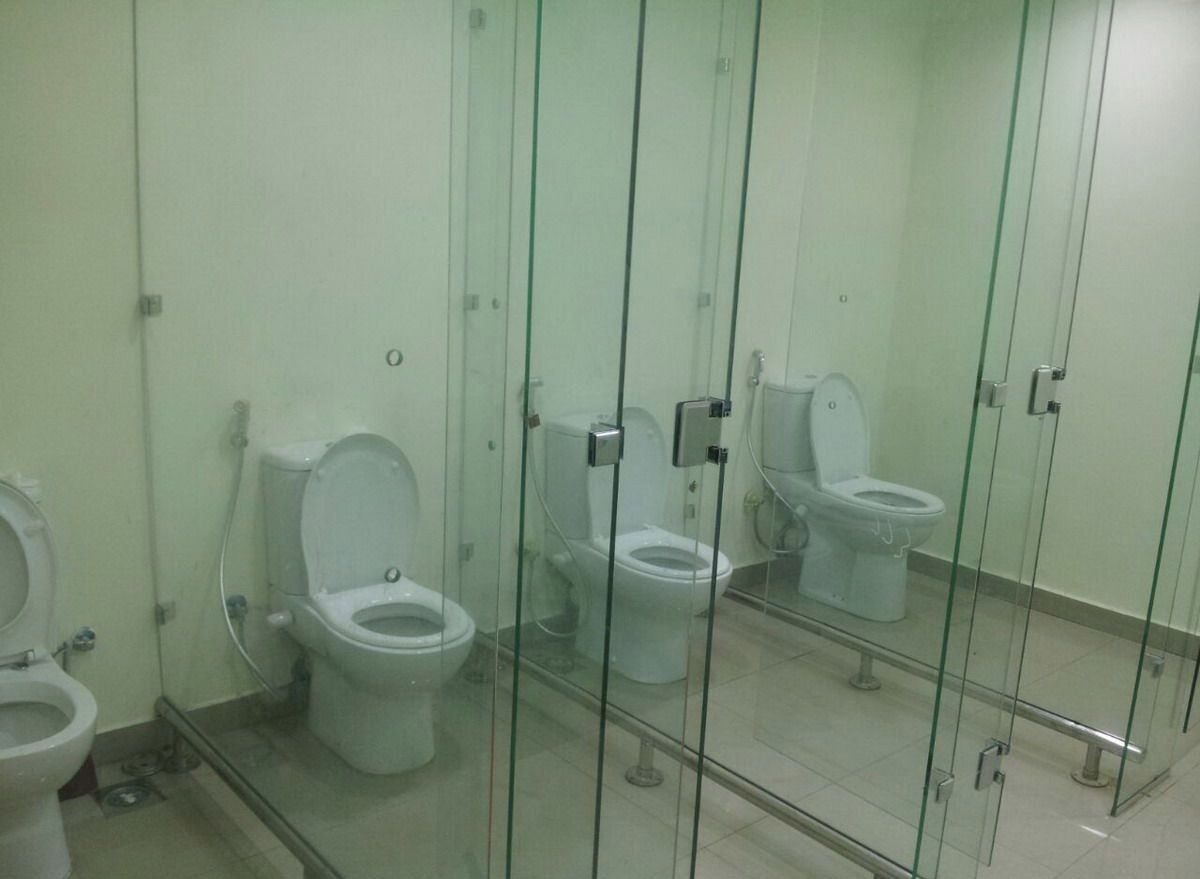
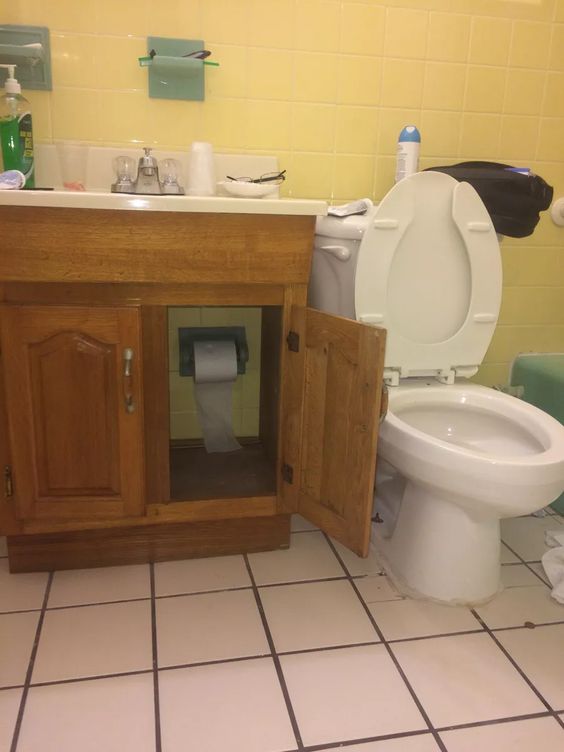
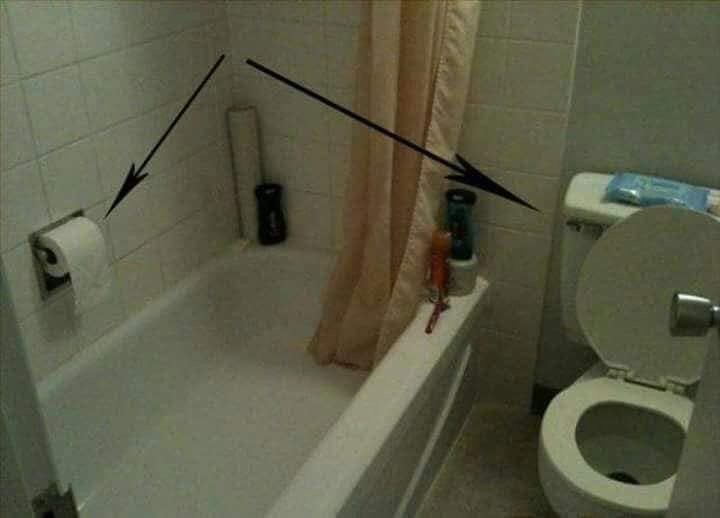
Risky Business
takes the idea of public toilets literally, presenting bathrooms
with glass partitions, missing dividers, or doors too short to
provide privacy. Spaces intended for privacy become unexpectedly
exposed, undermining the reassurance offered by conventional
bathroom design.
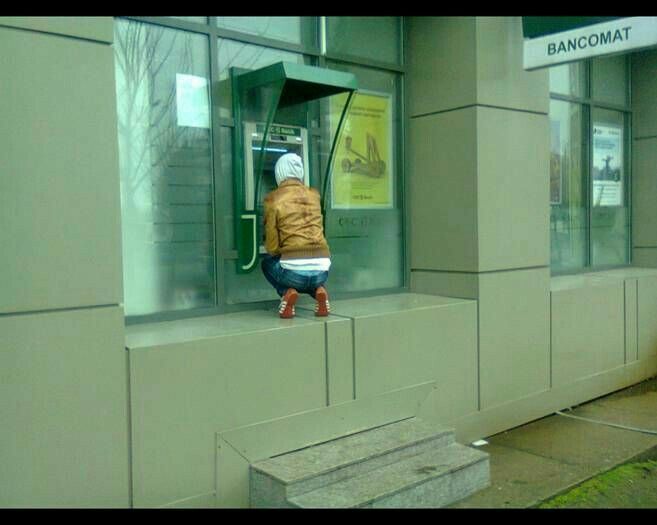
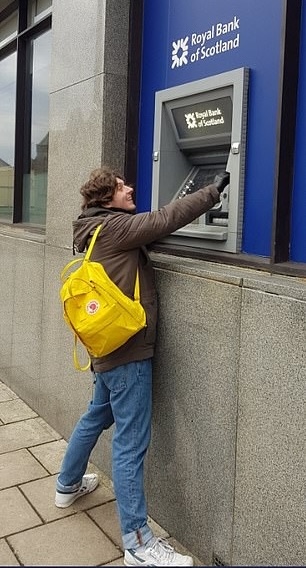
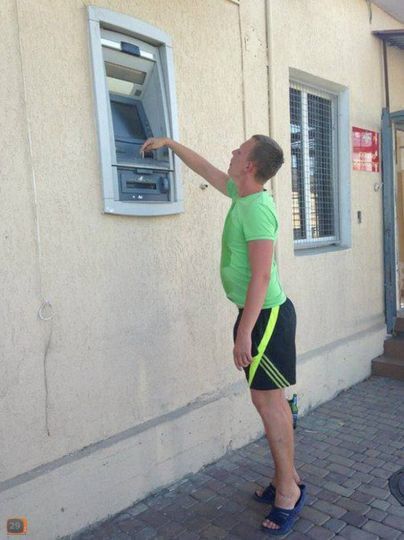
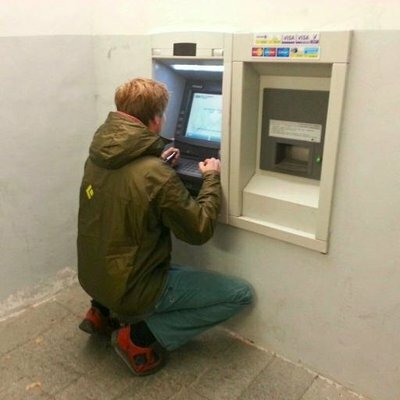
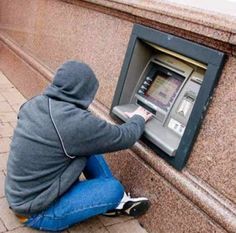
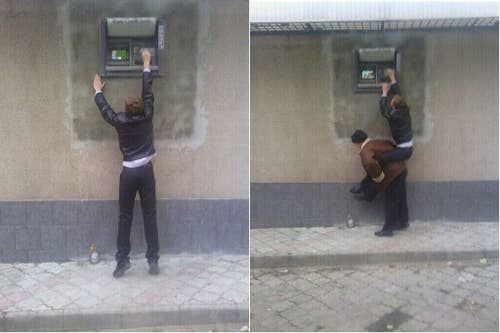
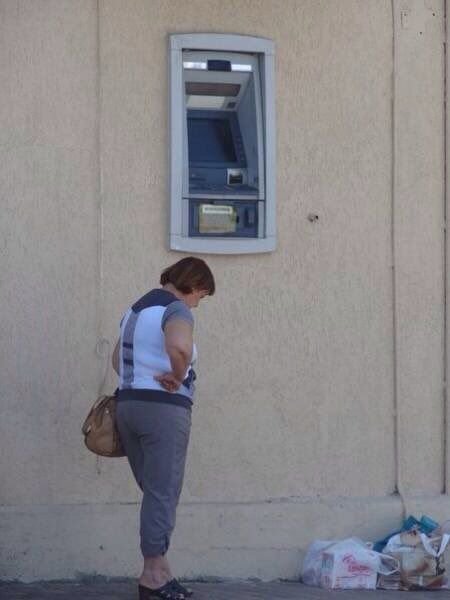
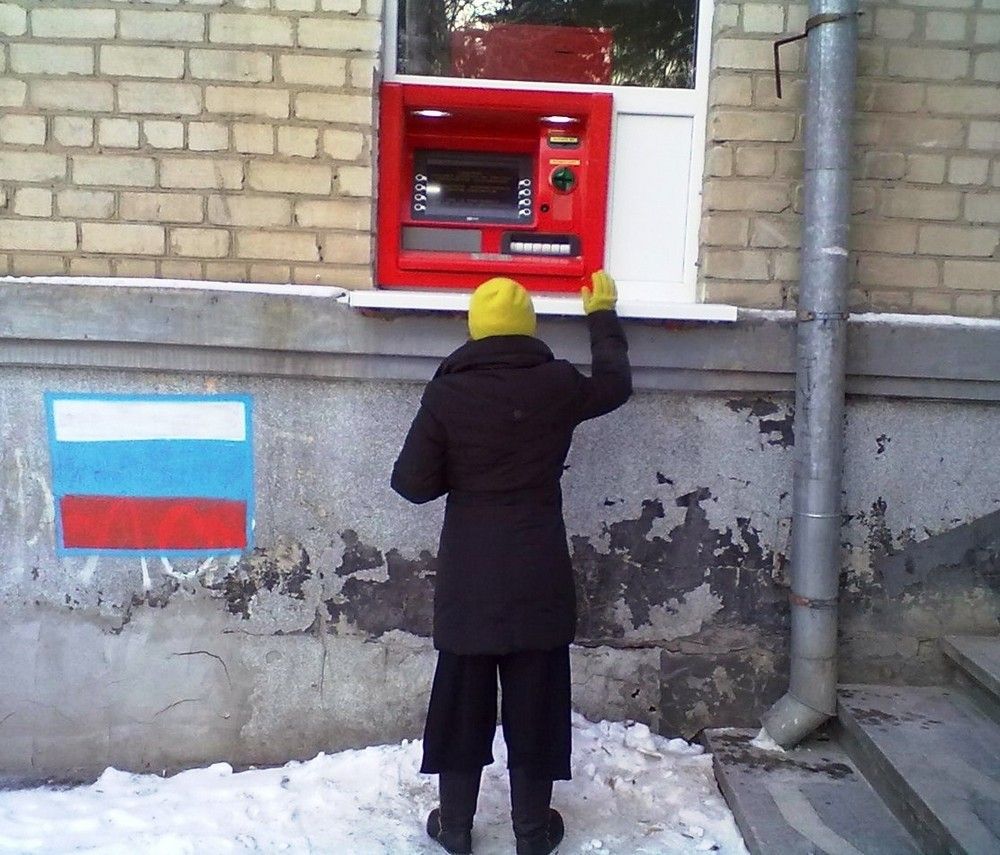
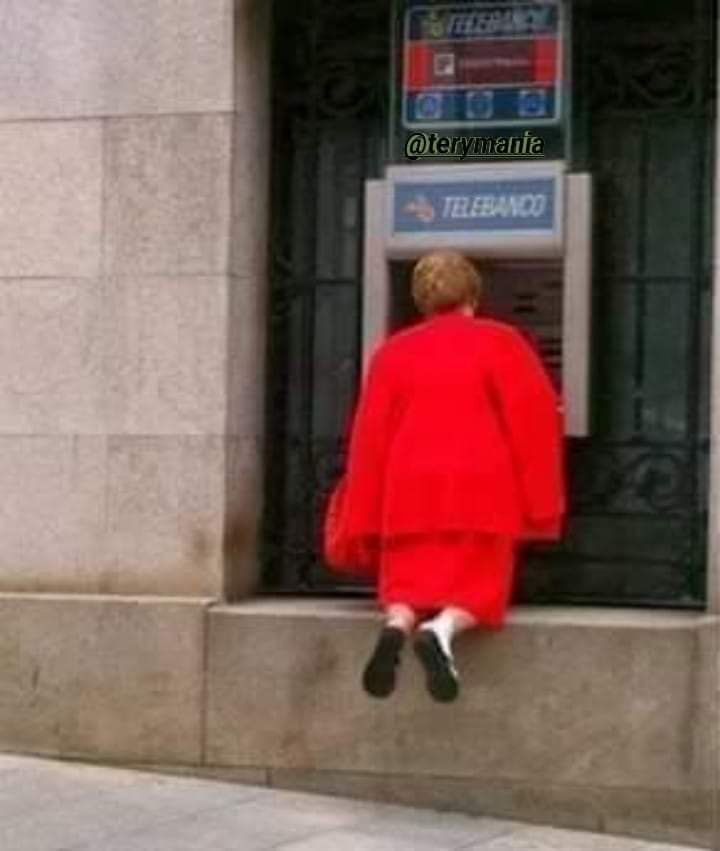
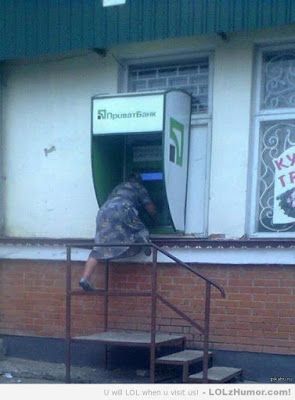
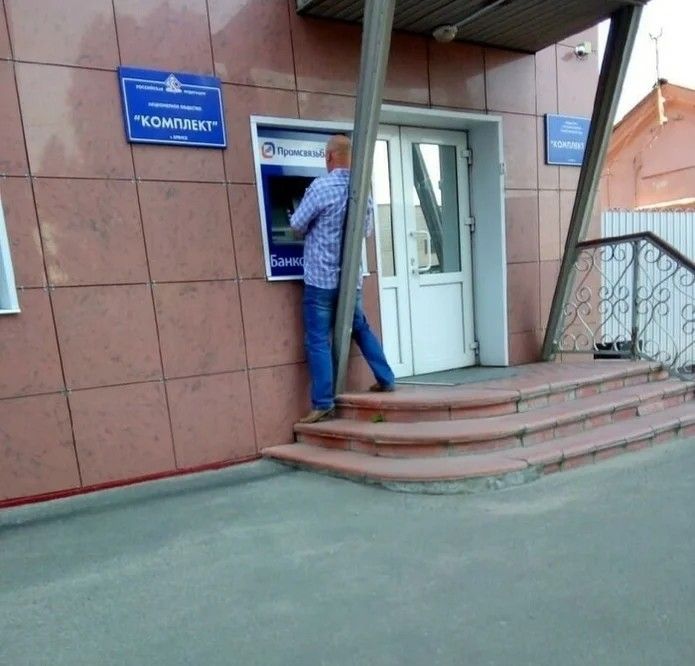
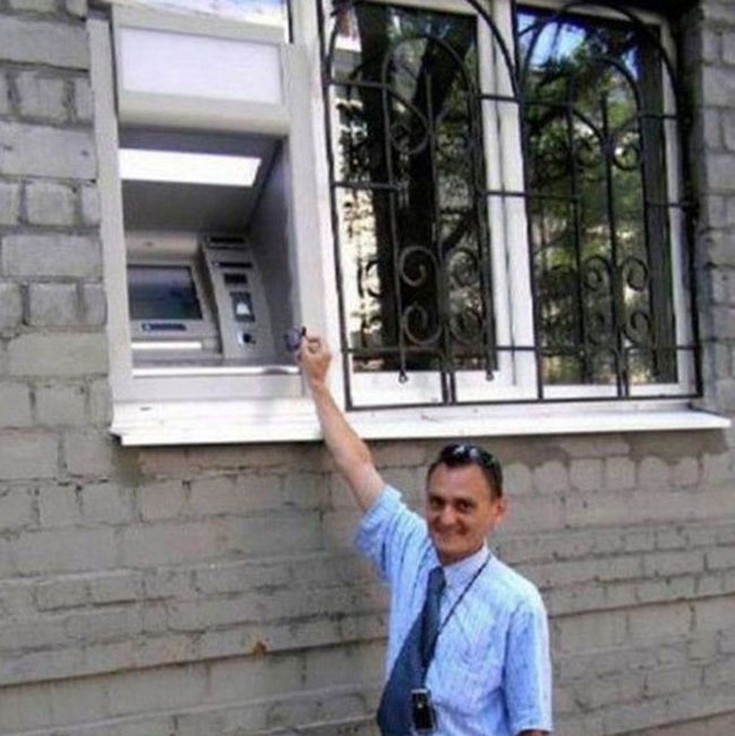
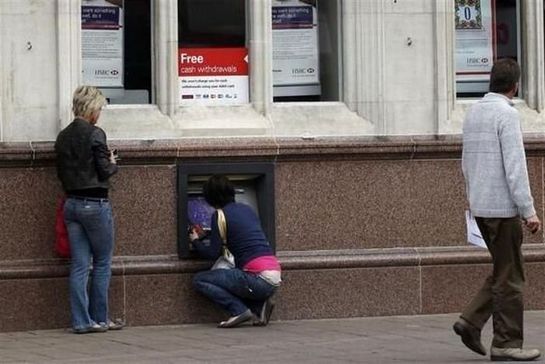
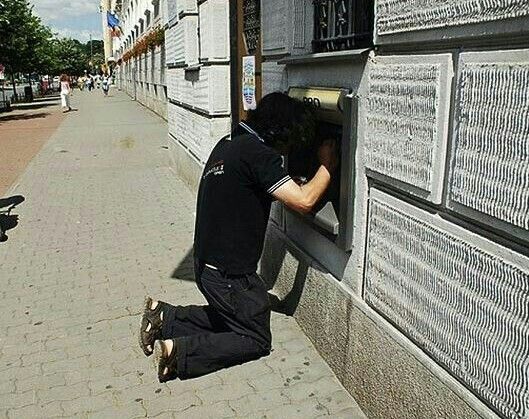
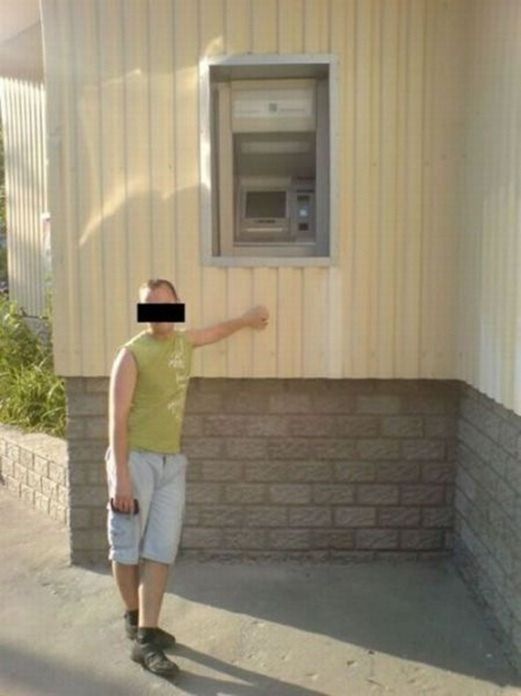
Financial Anxiety
brings together ATMs installed at impractical heights, forcing
users to stretch, crouch, or bend to reach them. An ordinary
transaction becomes a physical challenge, adding another layer
of discomfort to the experience of accessing money.
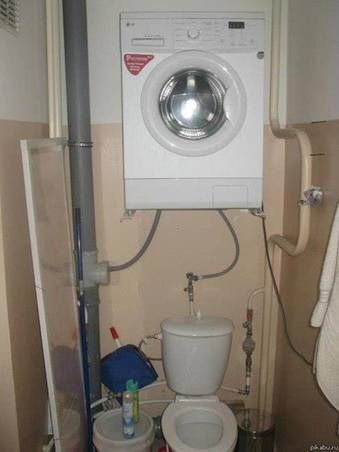
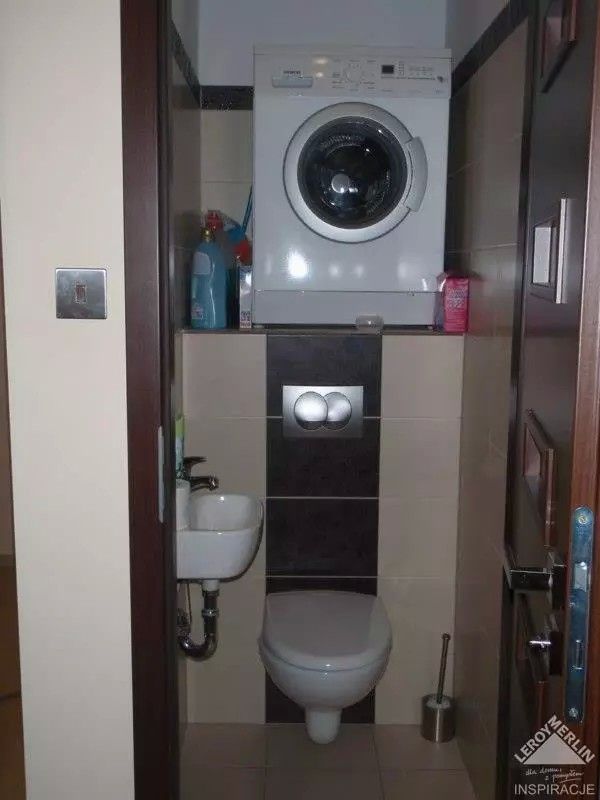
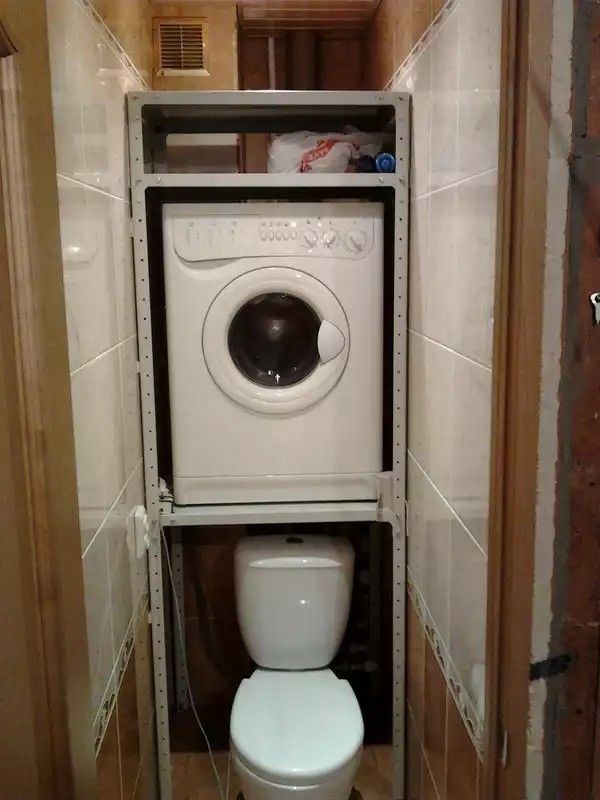
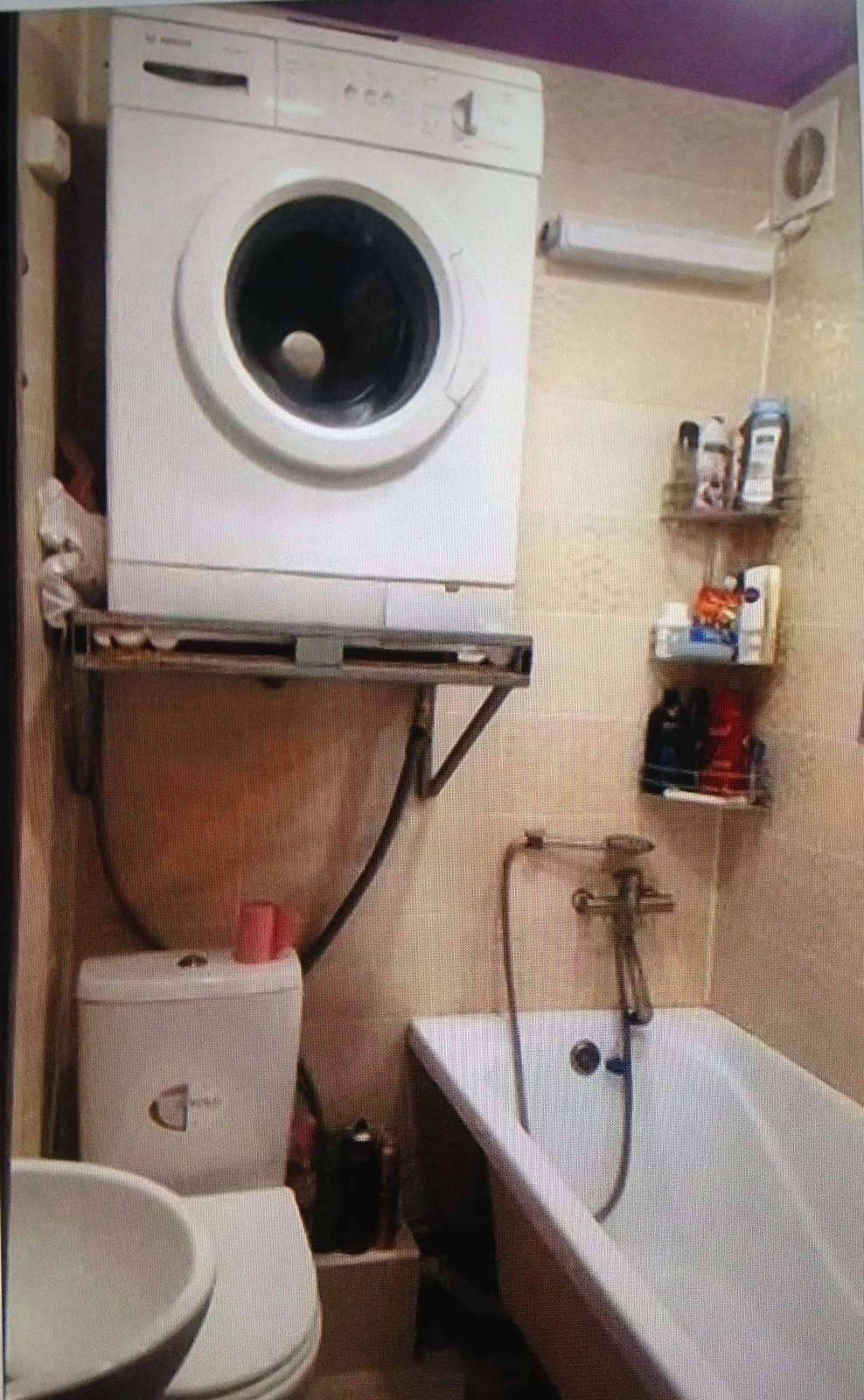
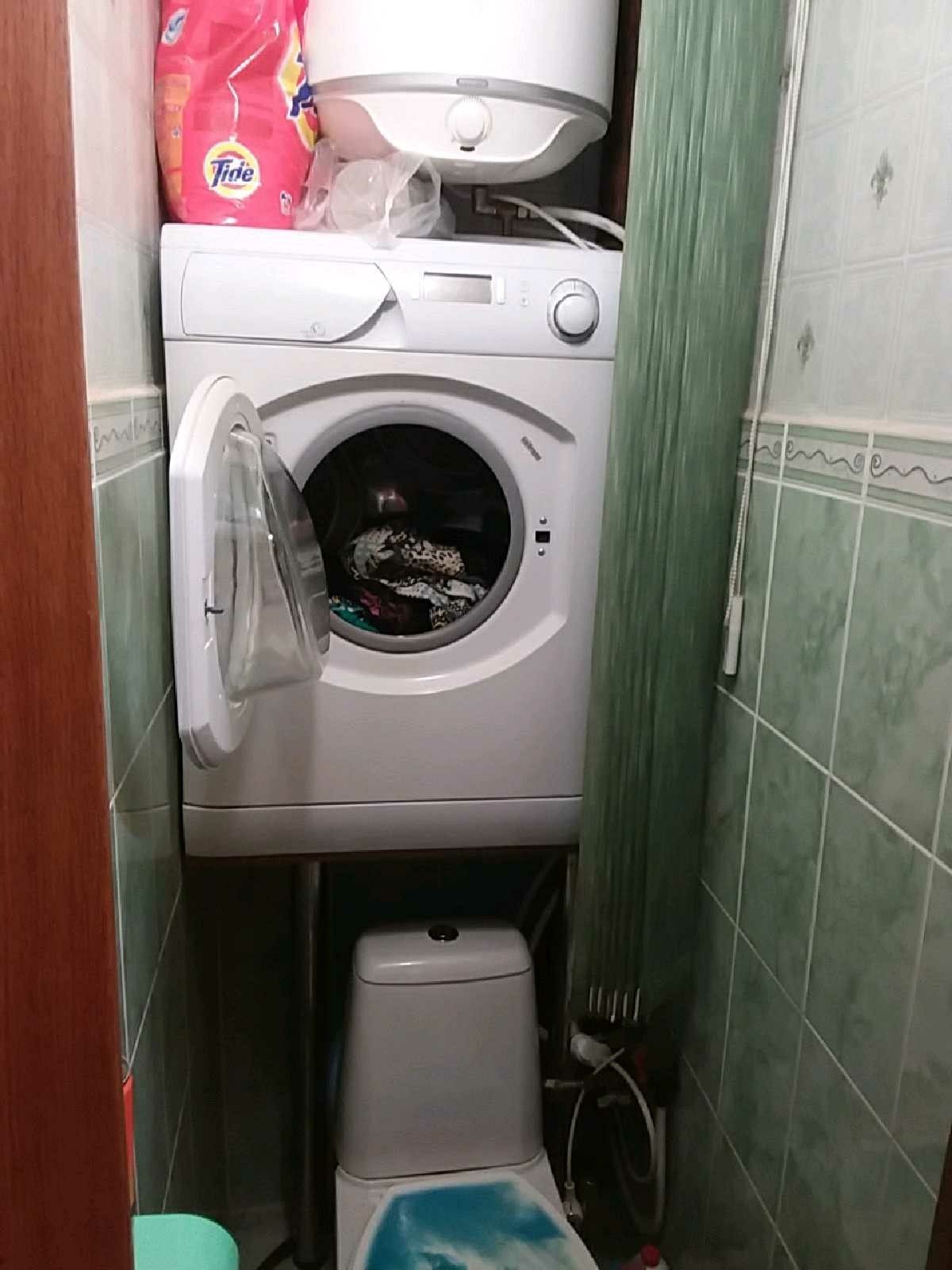
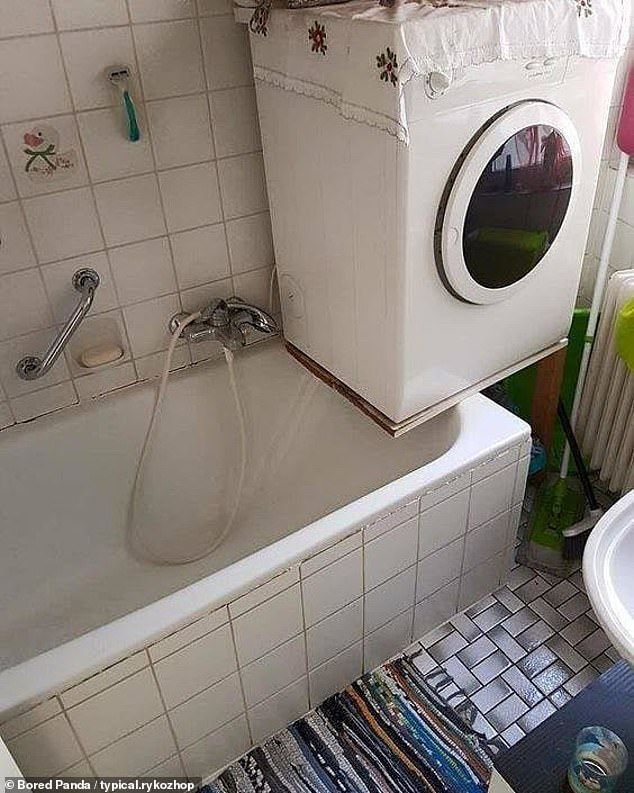
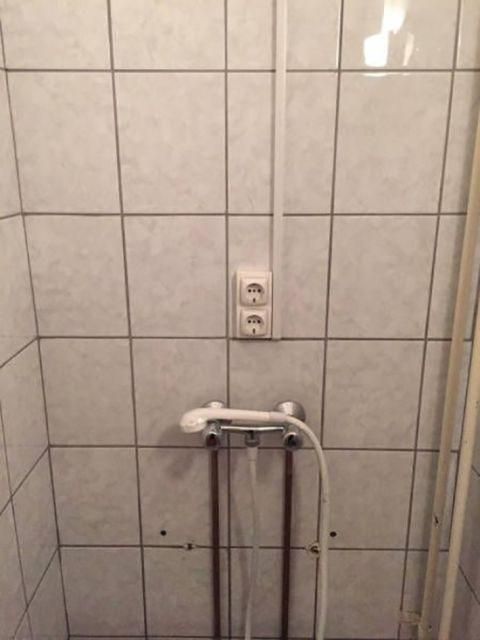
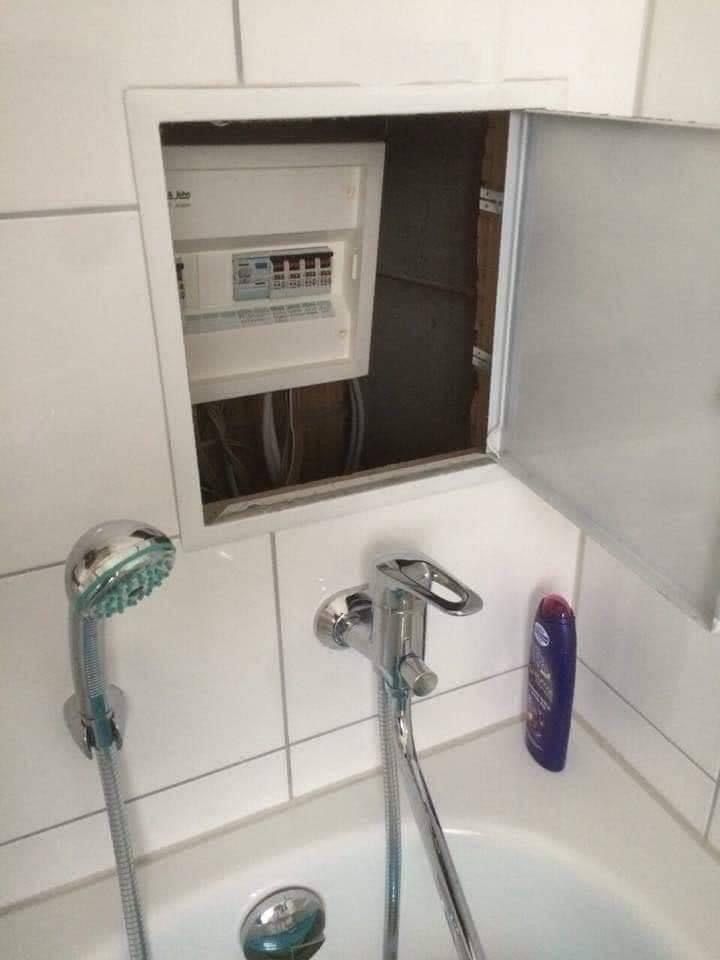
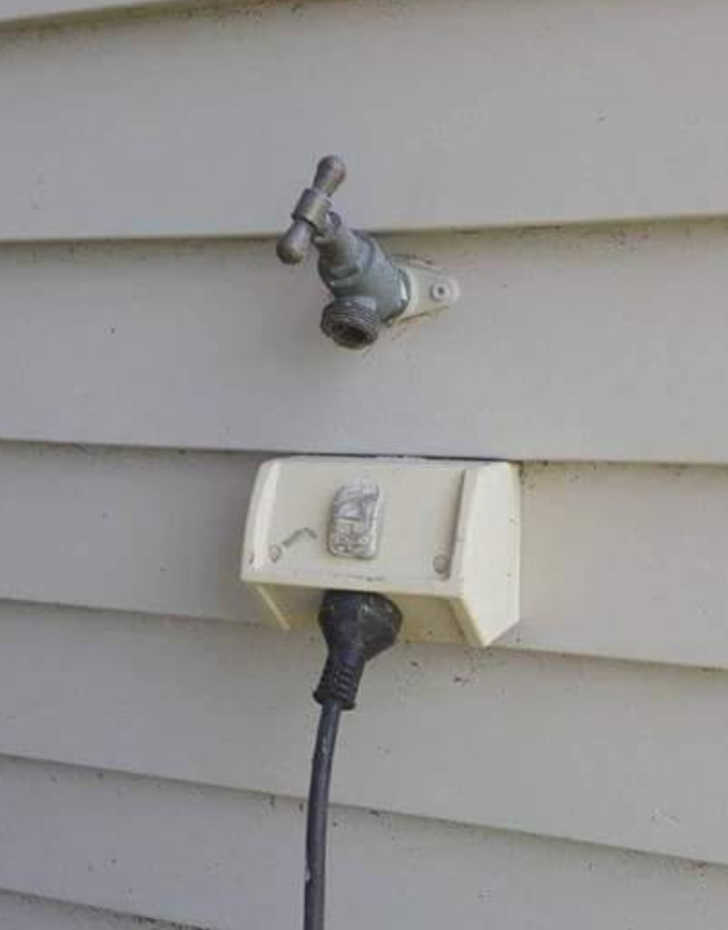
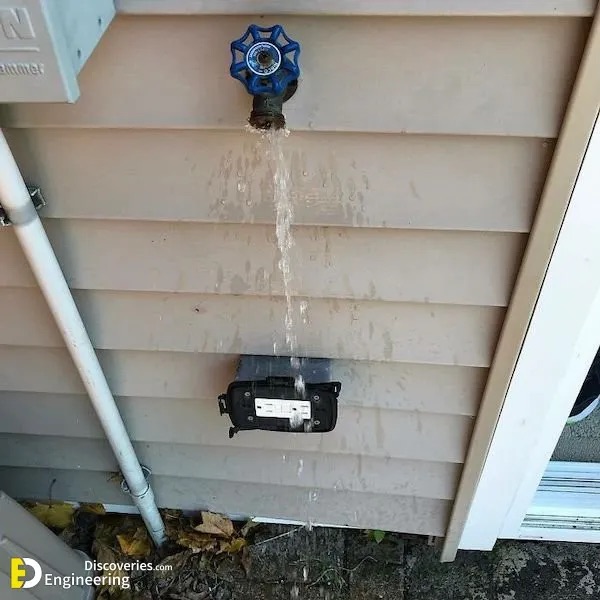
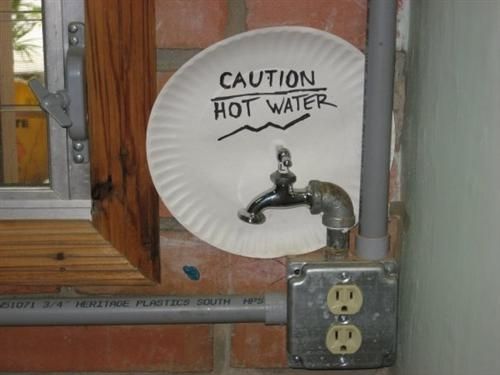
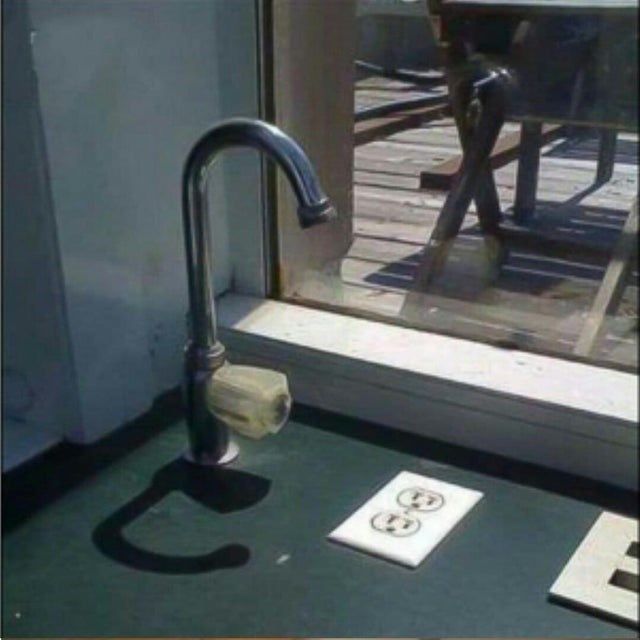
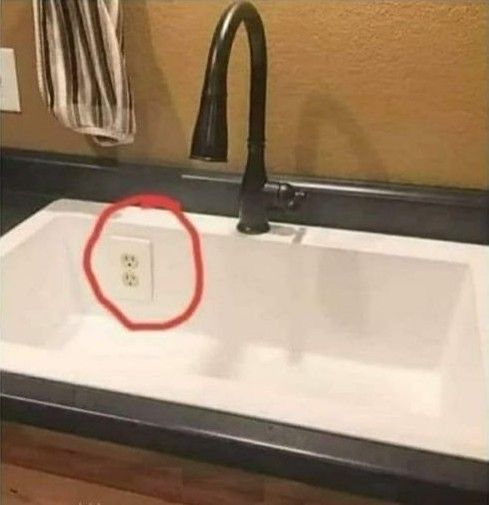
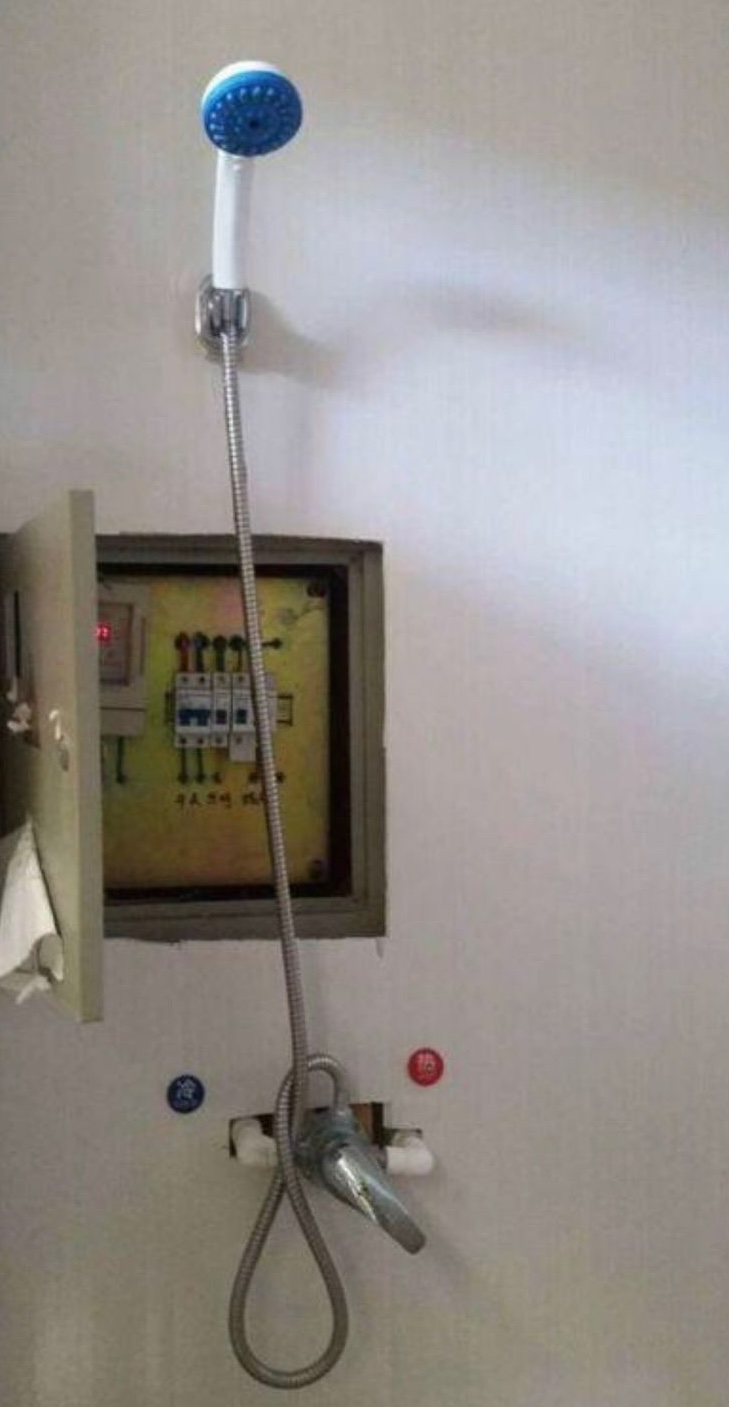
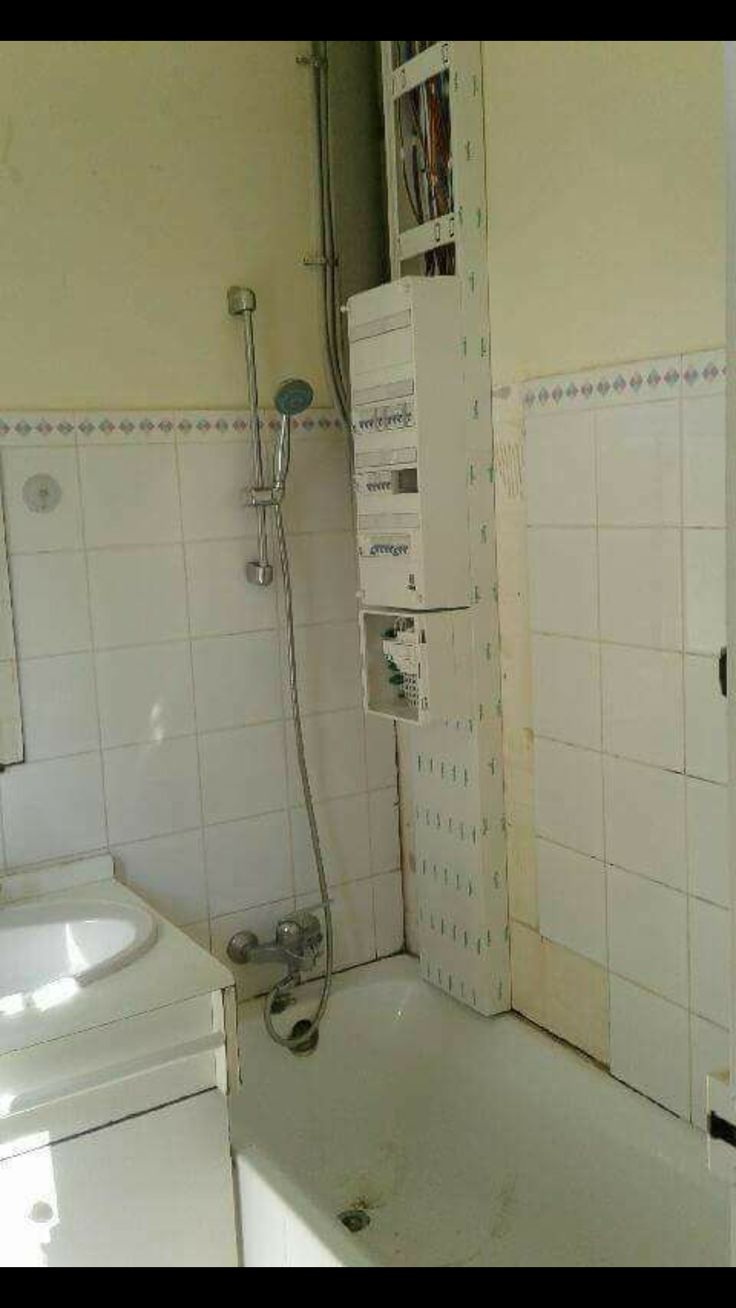
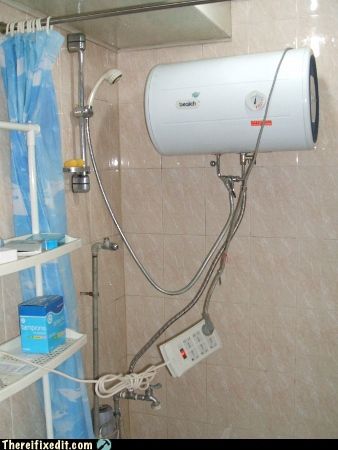
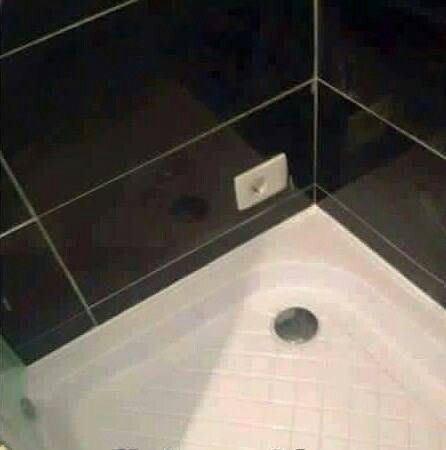
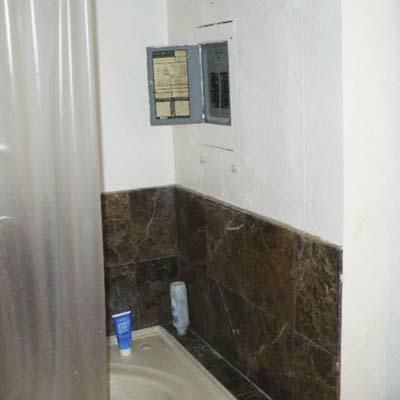
Final Destination
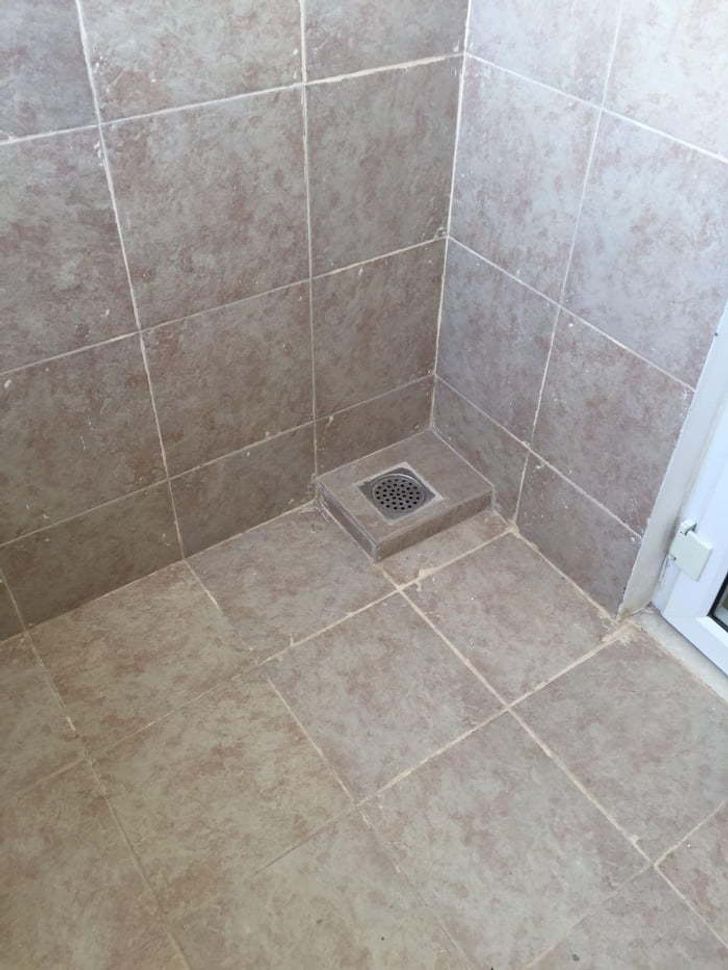
borrows the film’s title to frame domestic arrangements that seem
to anticipate disaster. Washing machines balanced above toilets,
sockets inside showers, and electrical panels beside water sources
turn careless installation into an ominous suggestion of what
might happen next.
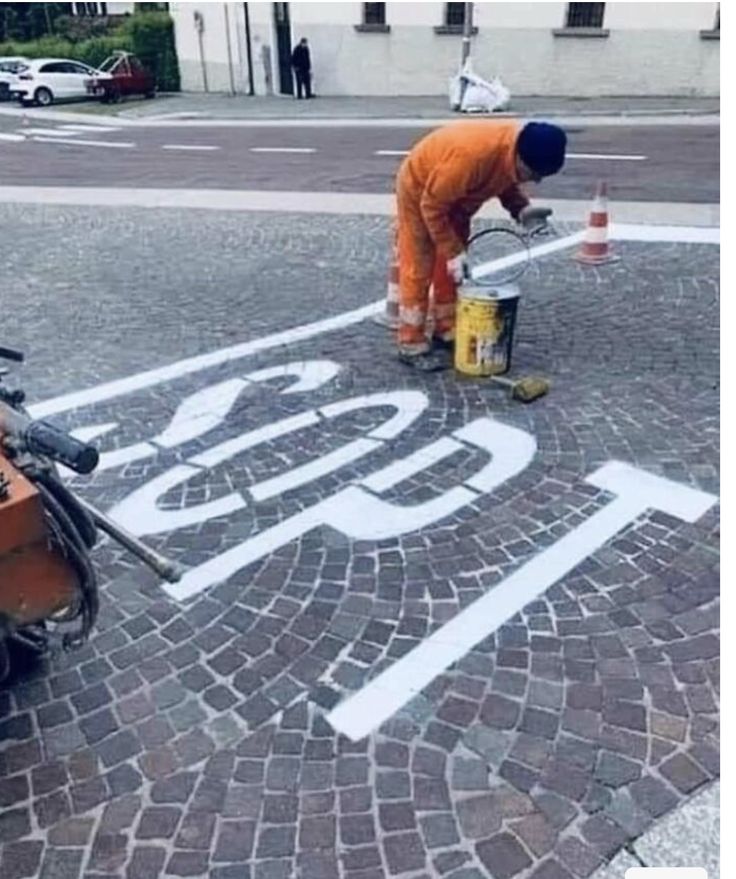
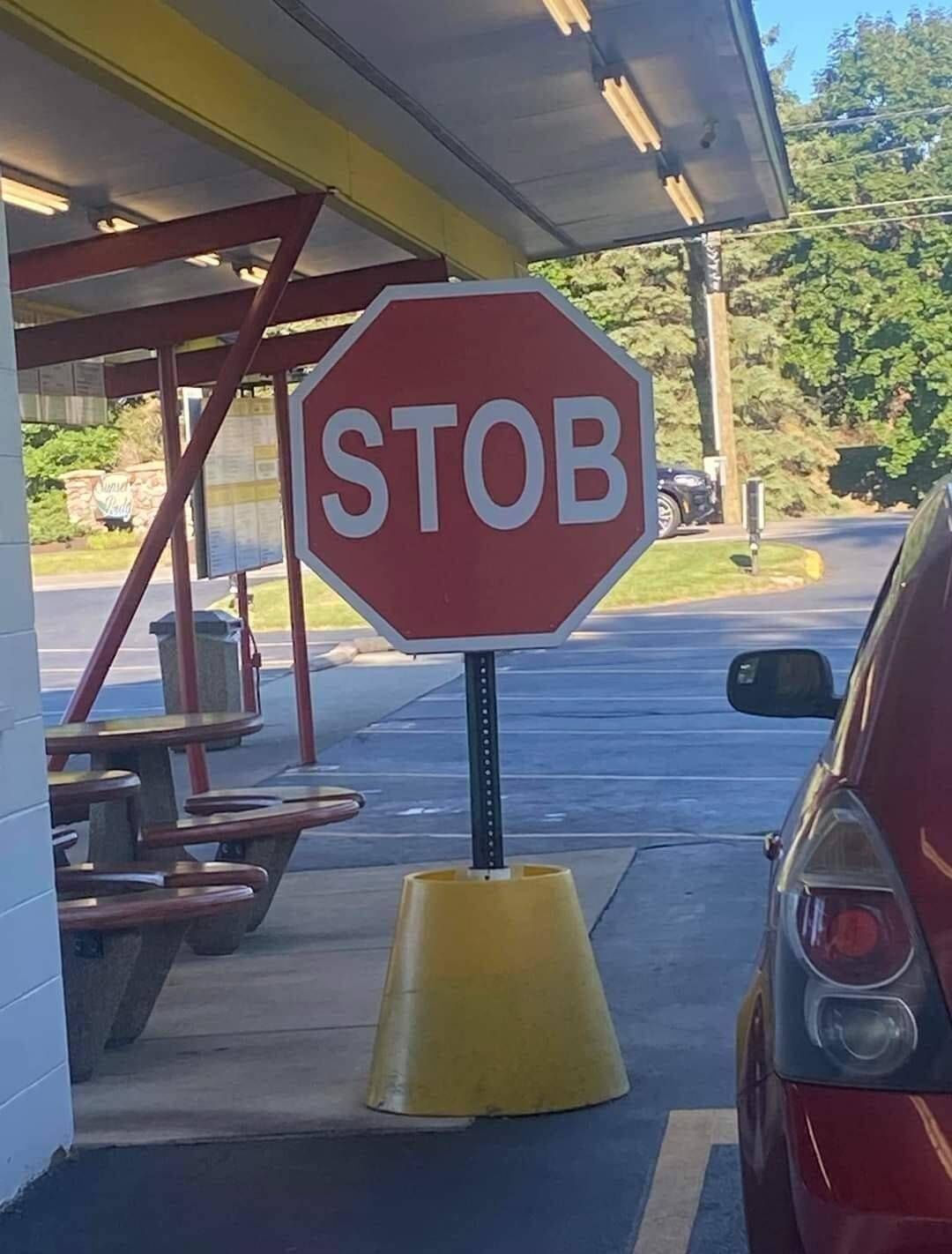
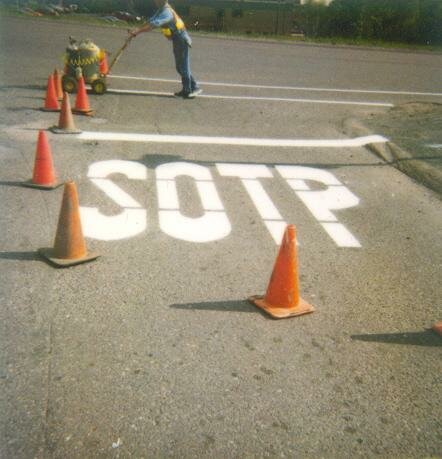
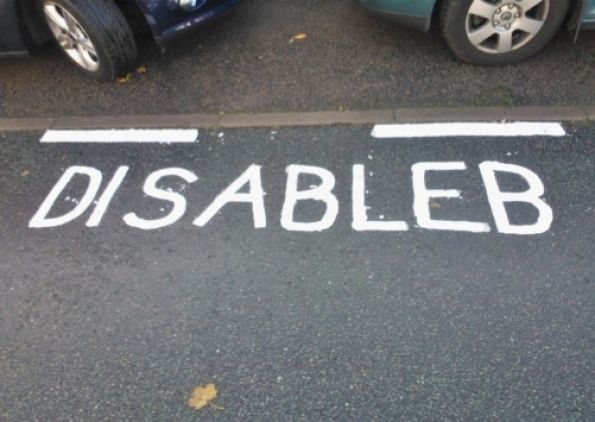
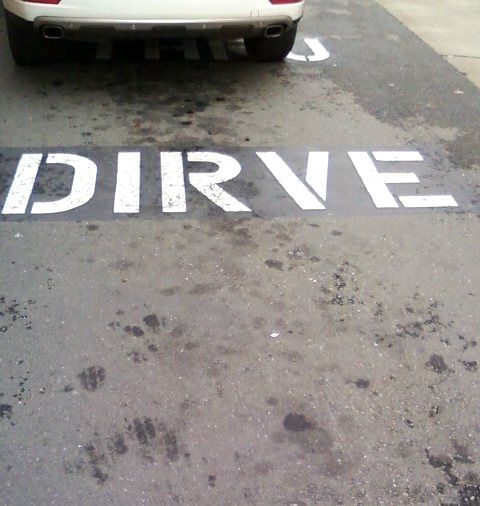
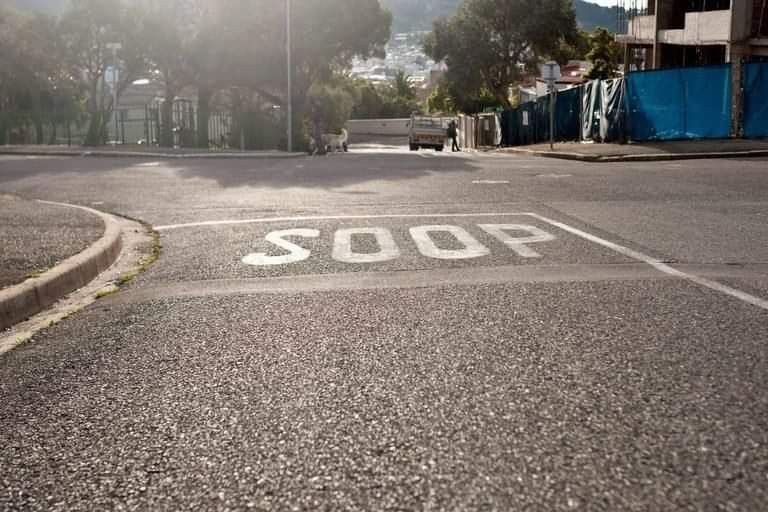
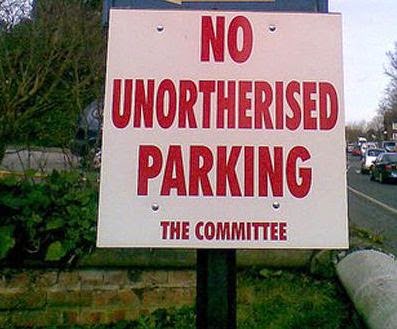
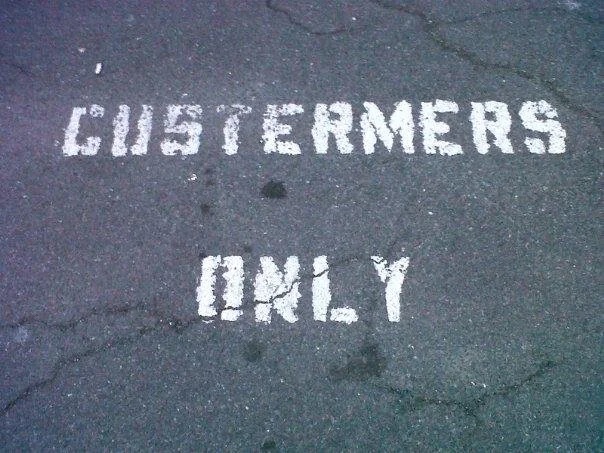
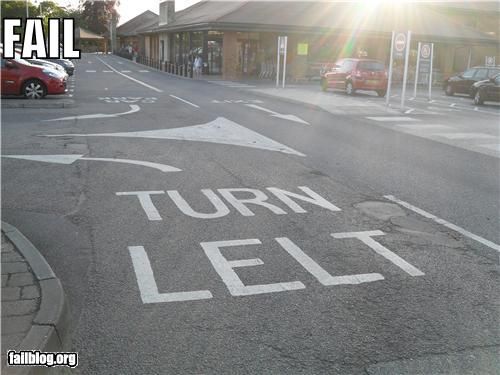
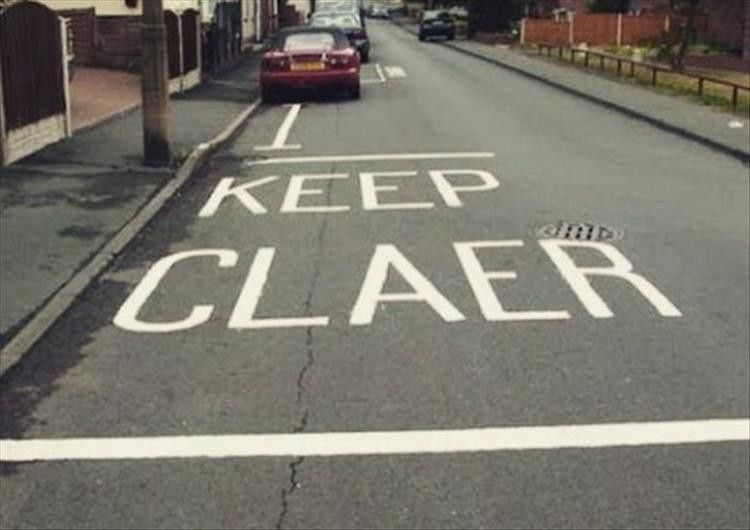
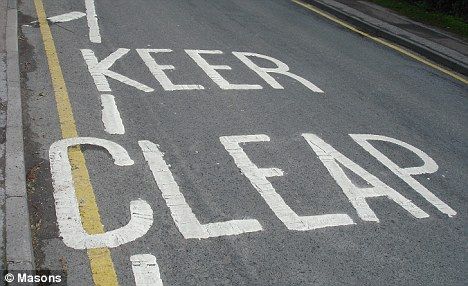
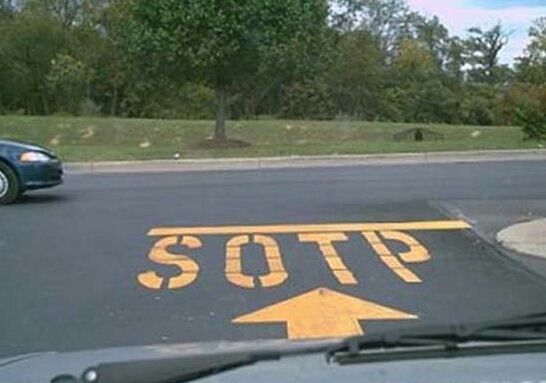
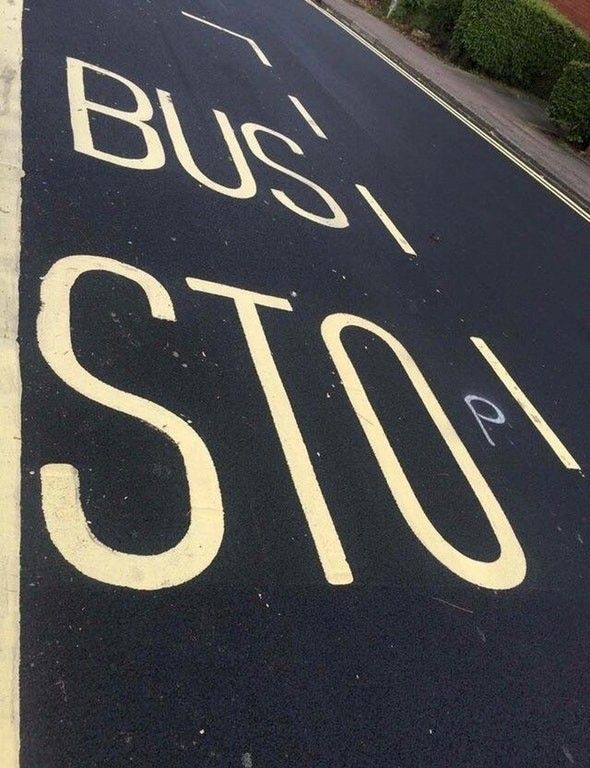
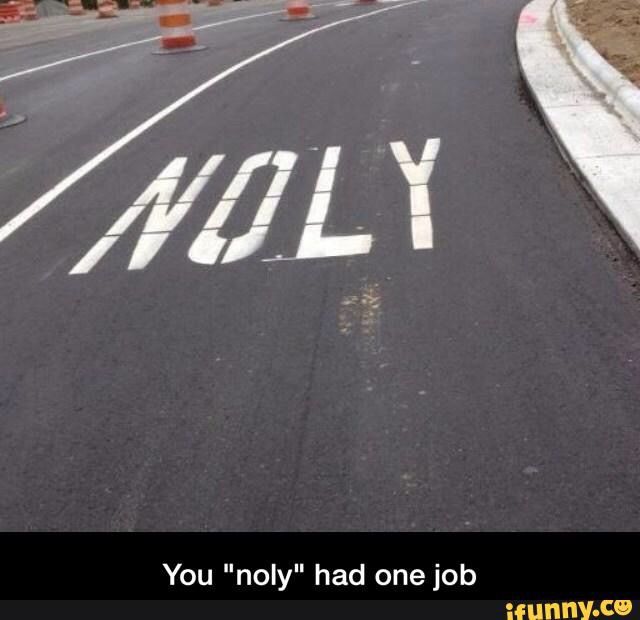
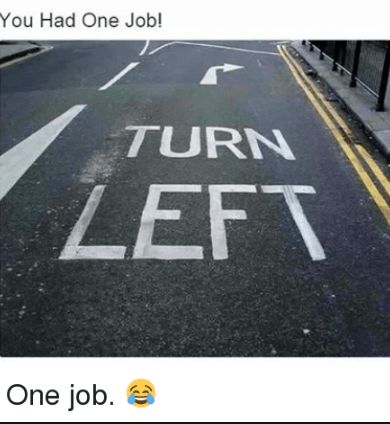
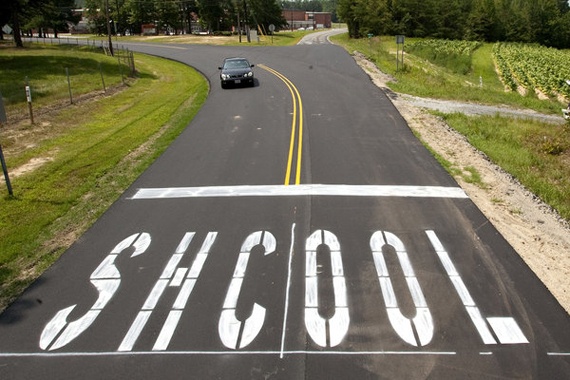
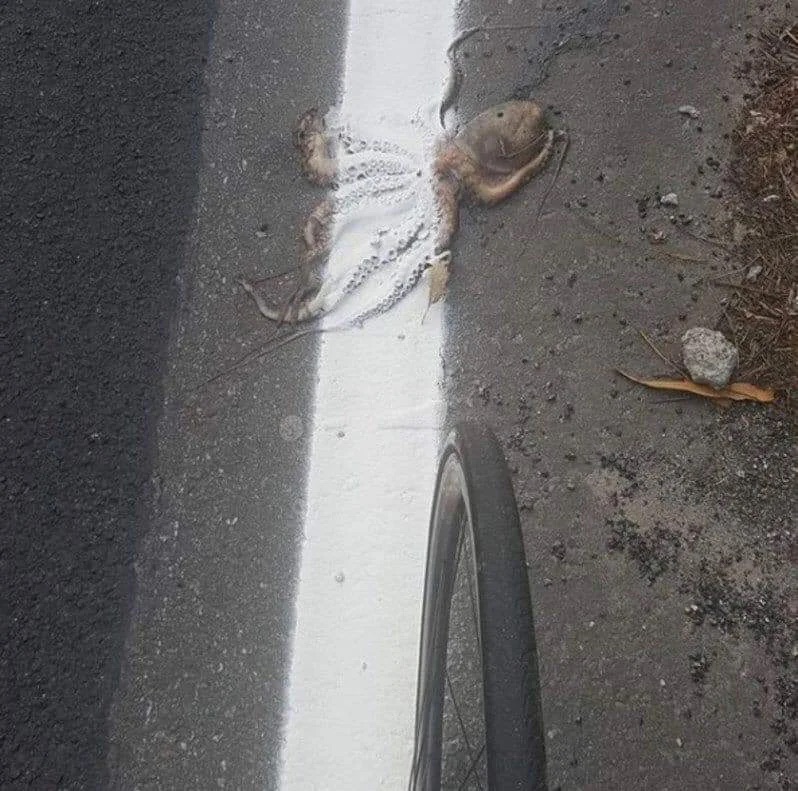
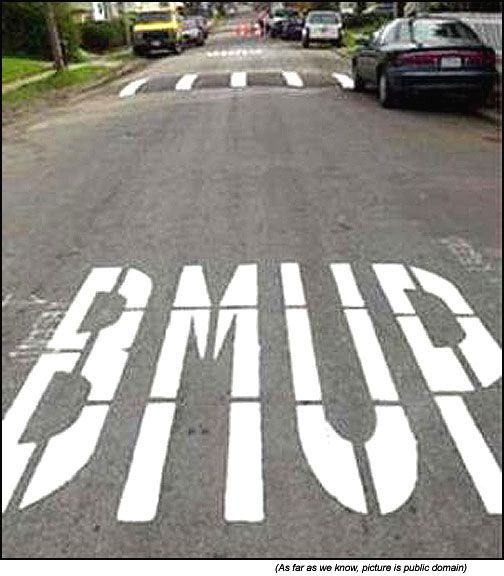
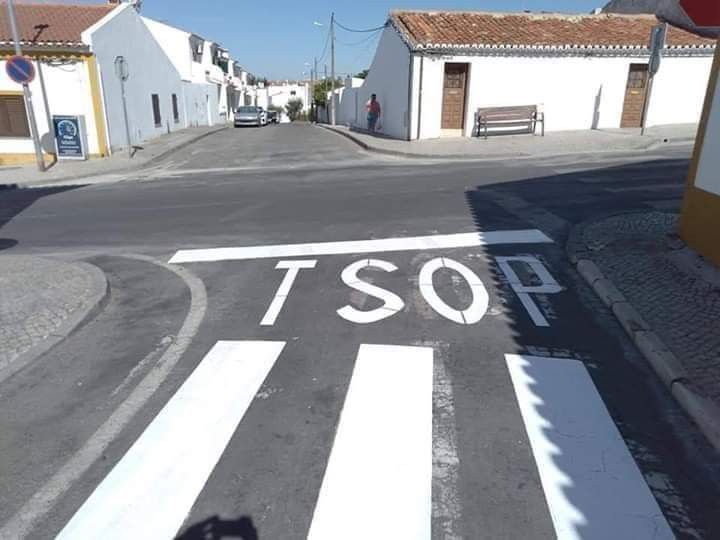
Urban Dyslaxia
deliberately misspells dyslexia to introduce a collection of
careless lettering and unexpected spelling errors in public spaces.
STOP becomes STOB, and familiar instructions become confusing
messages, undermining the clarity and authority they are supposed
to convey.
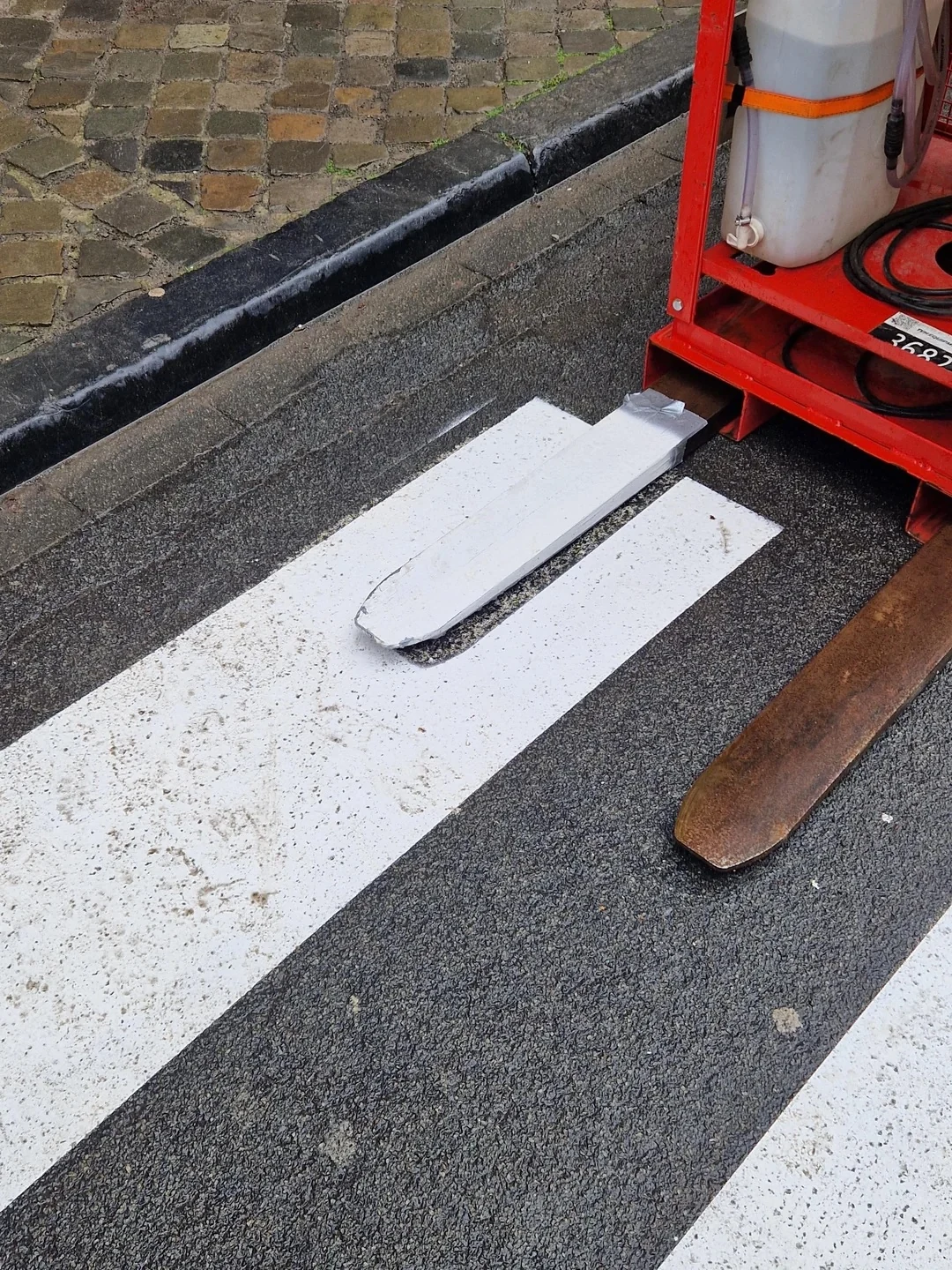
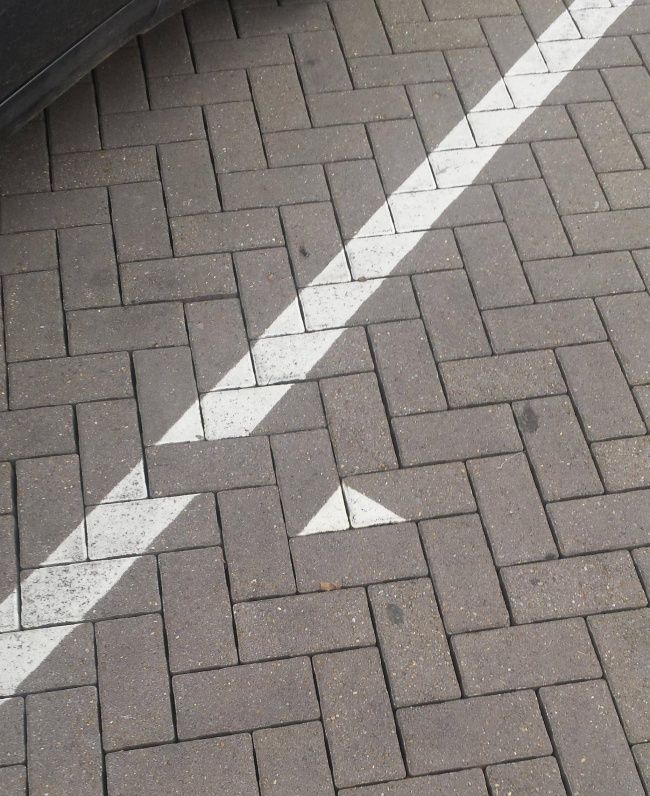
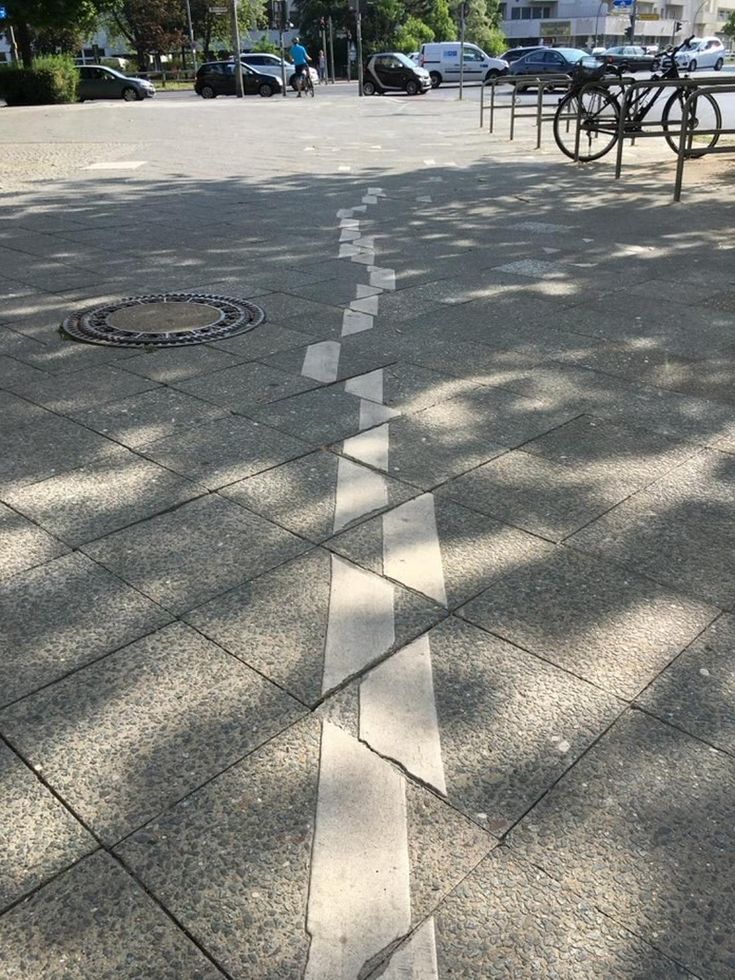
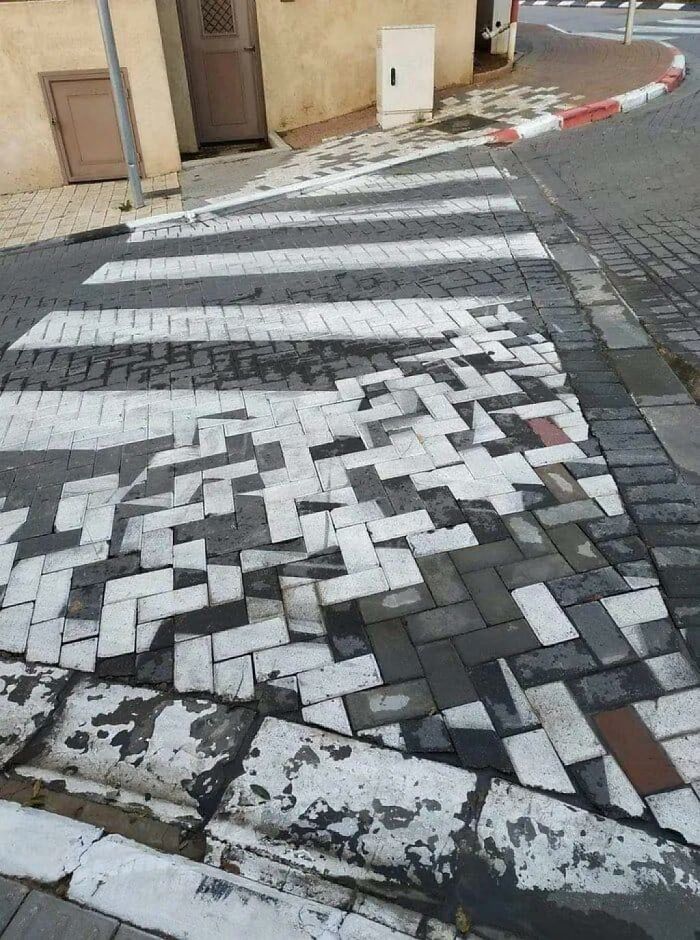
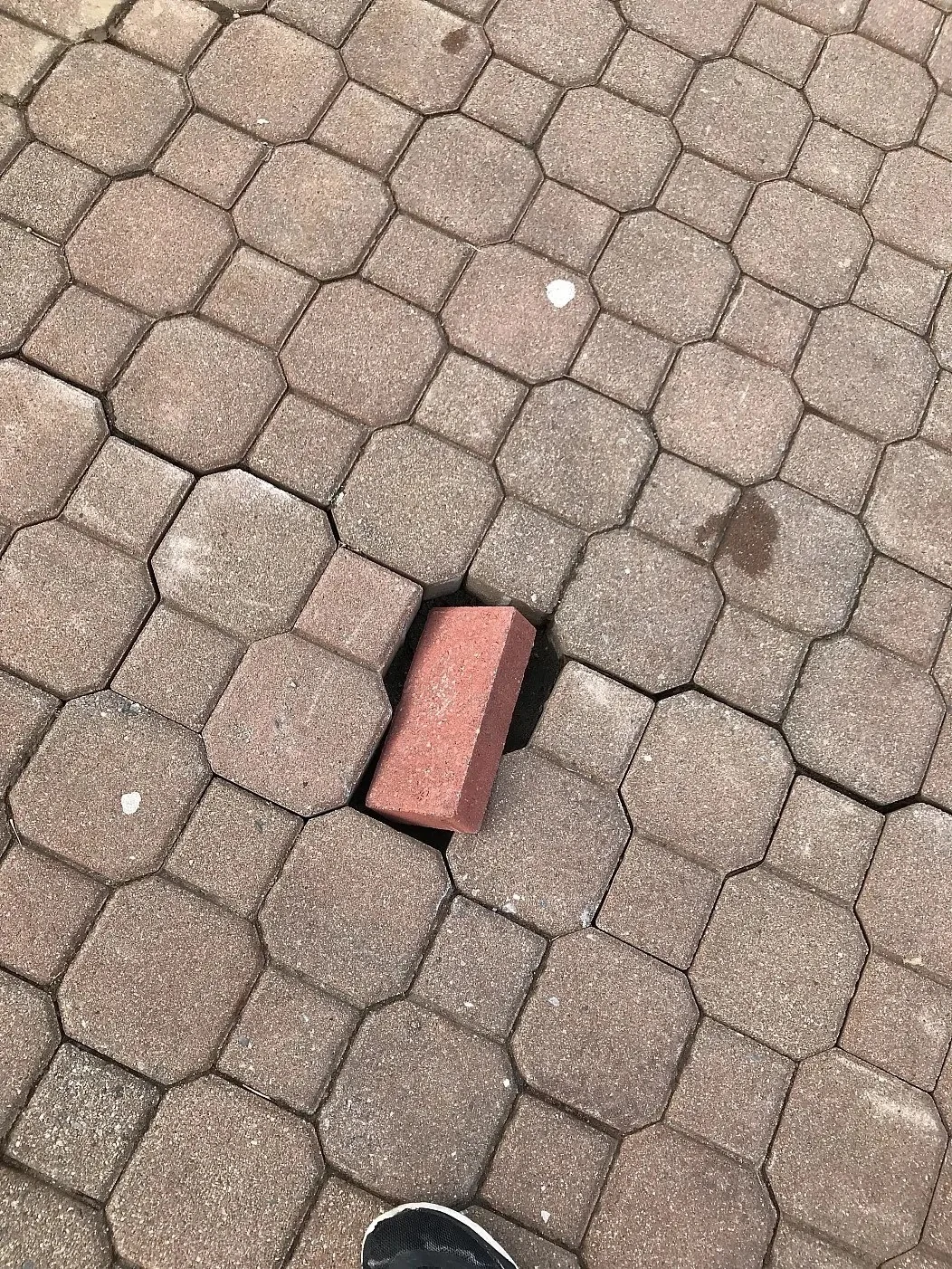
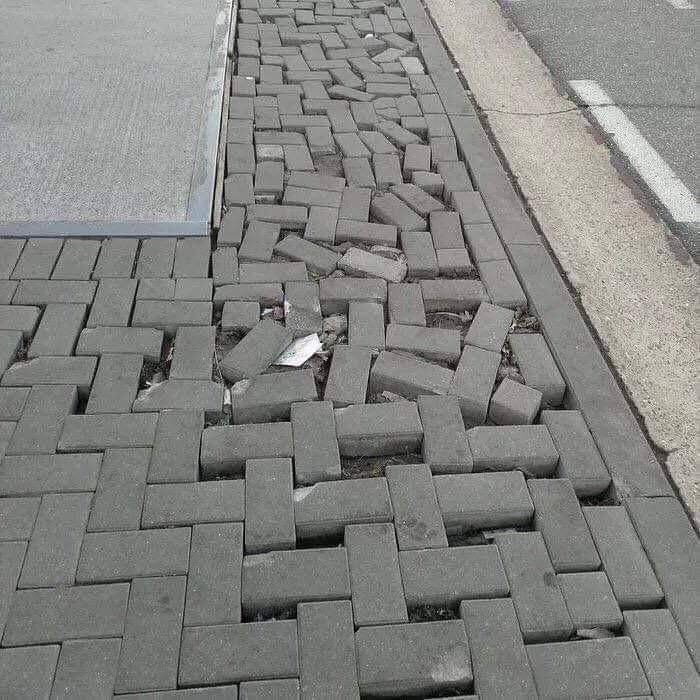
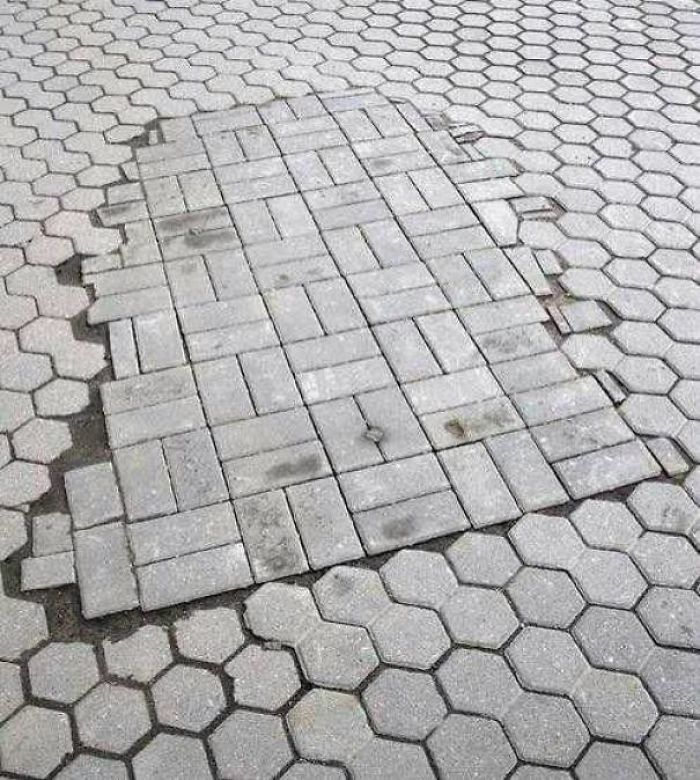
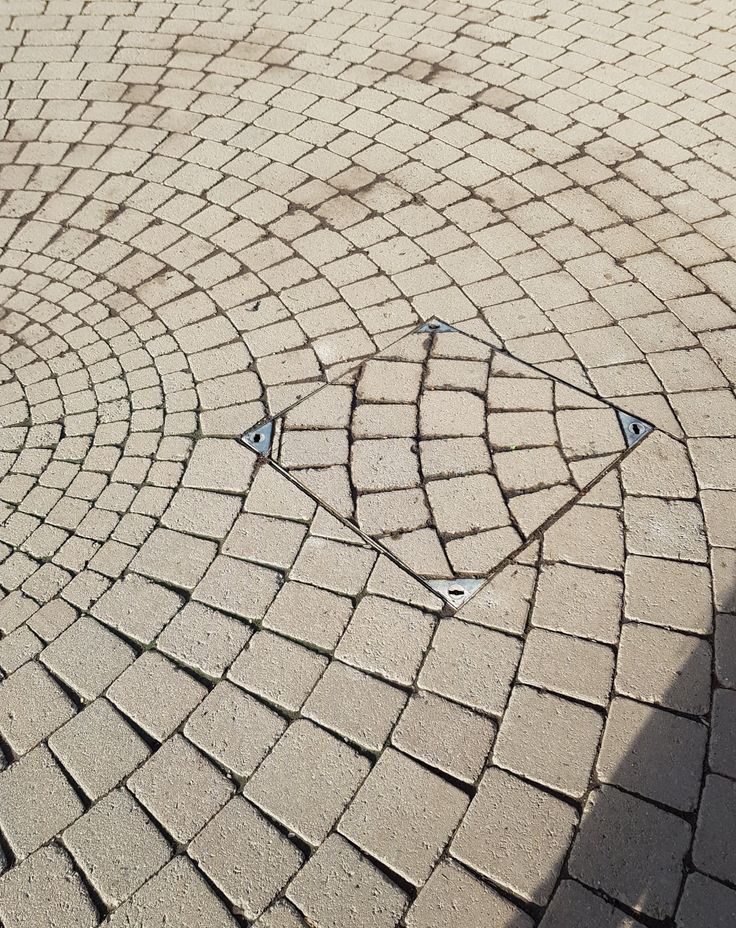
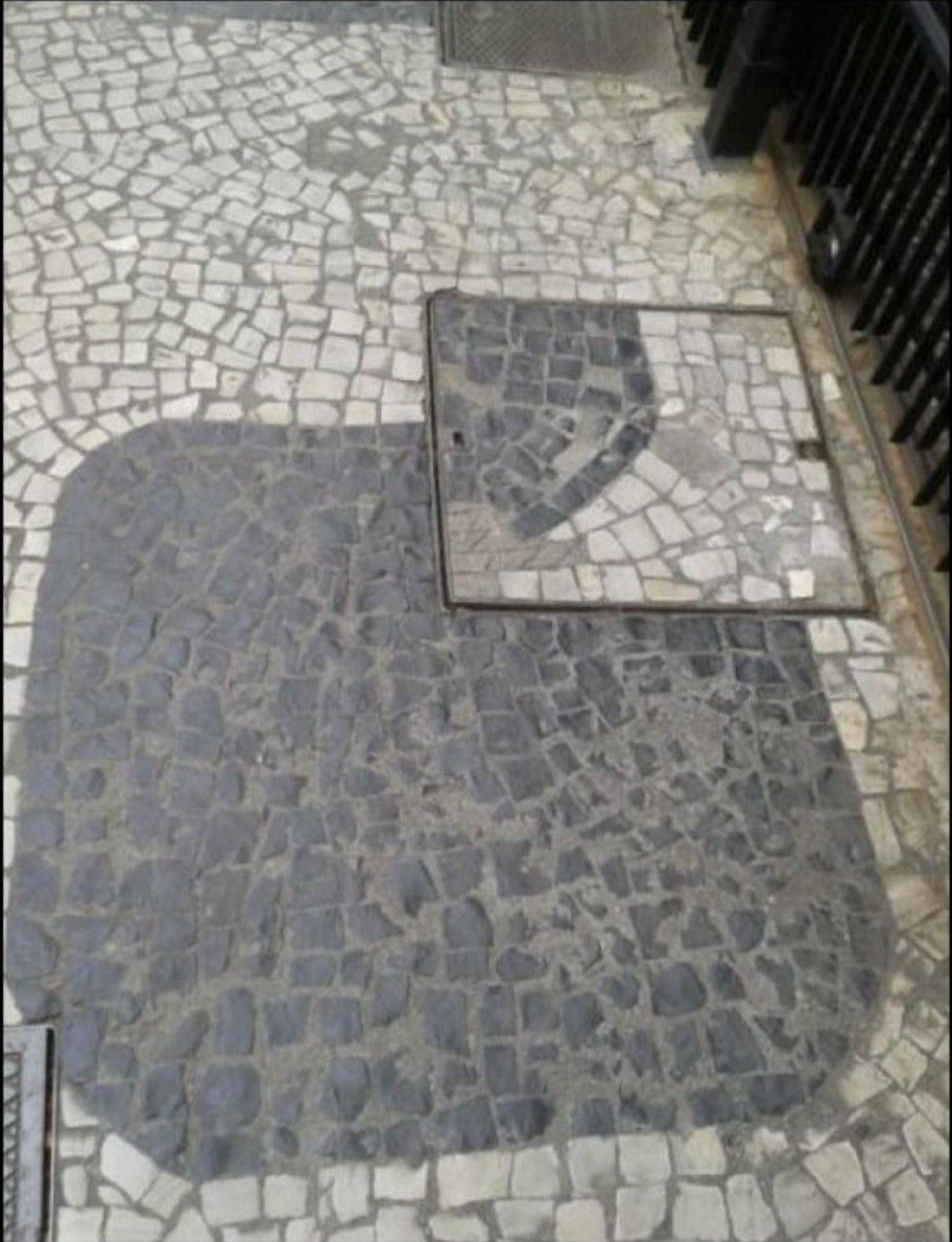
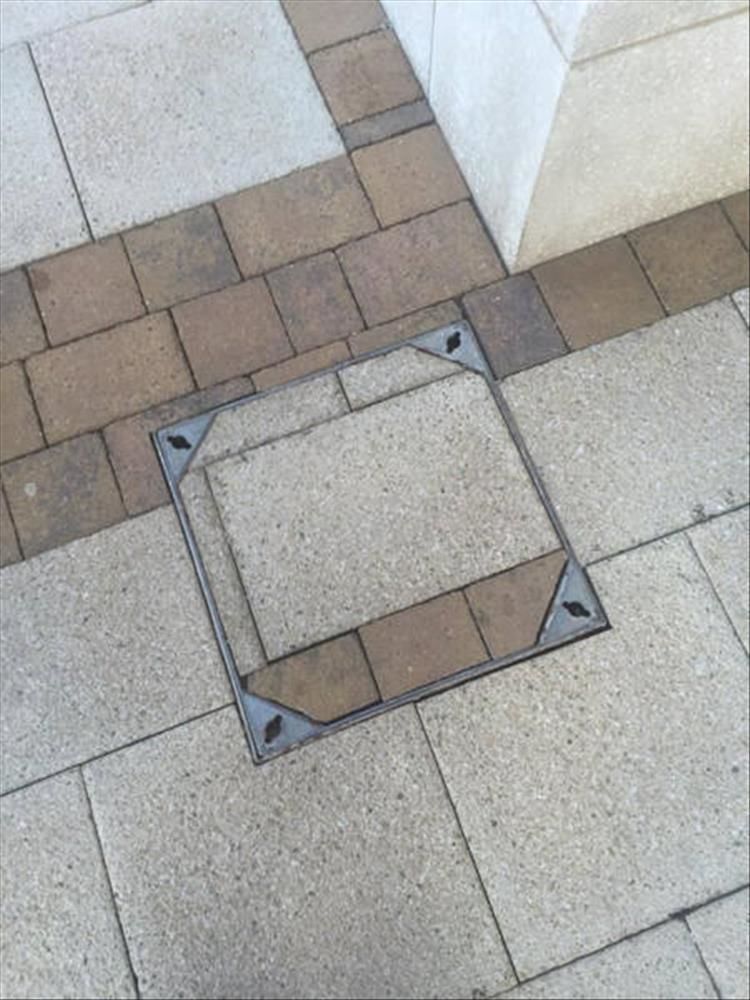
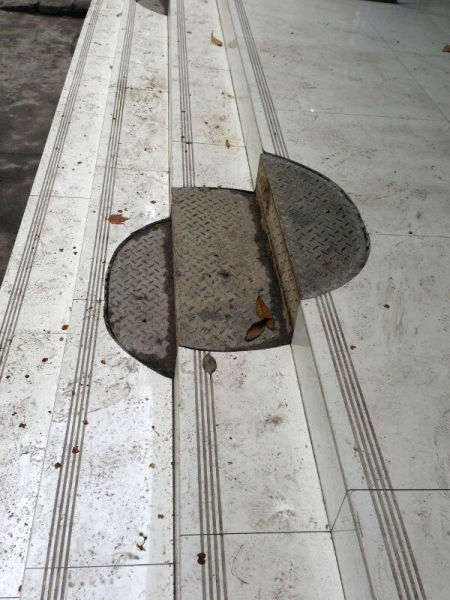
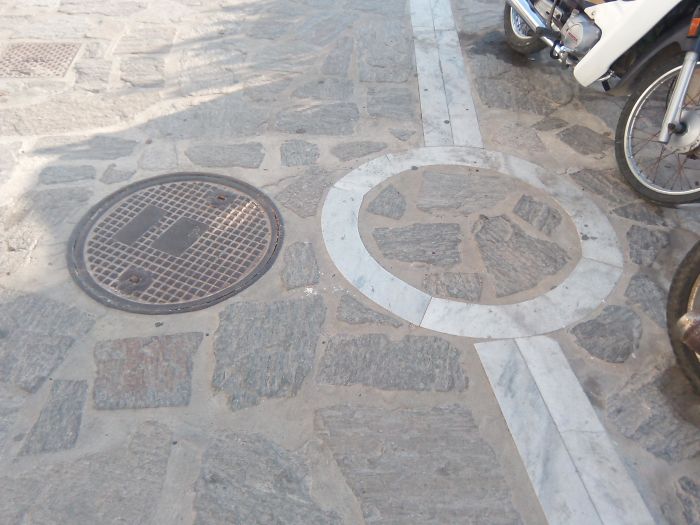
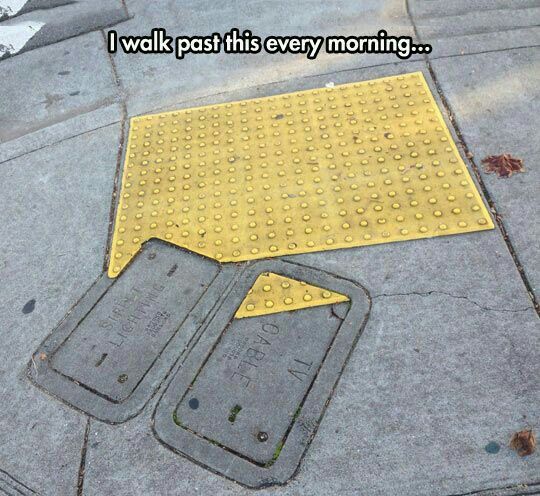
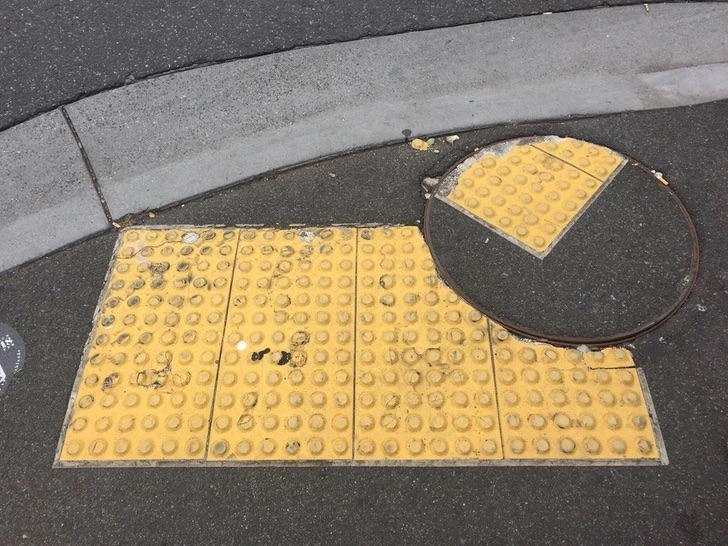
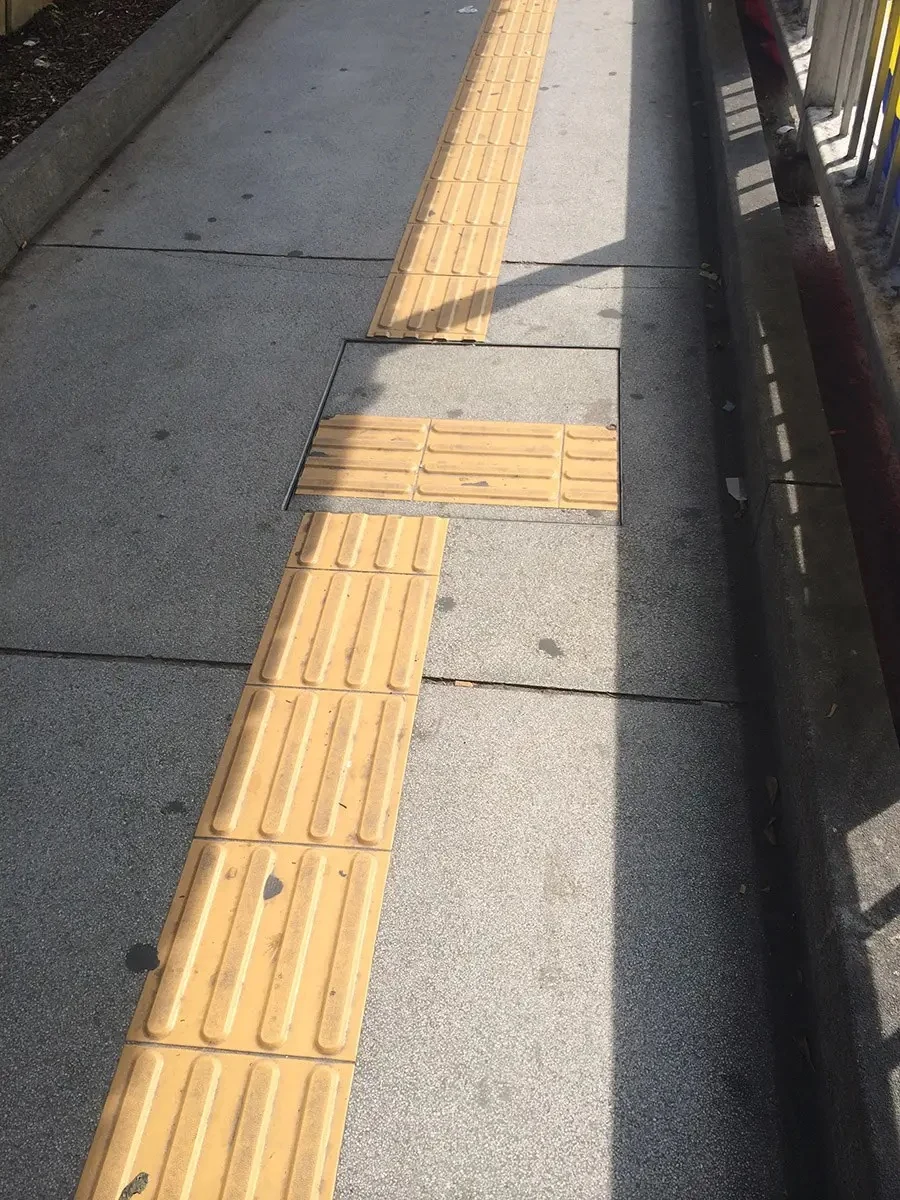
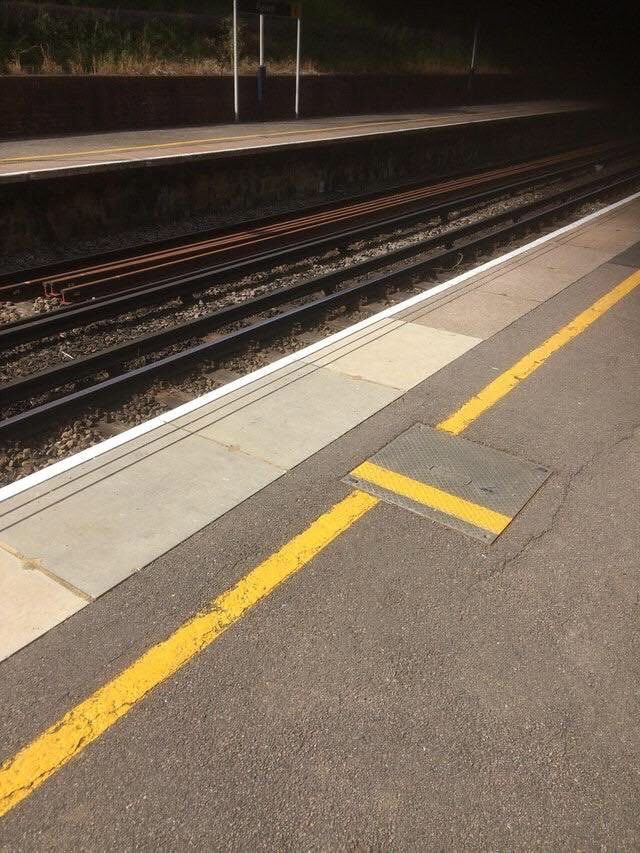
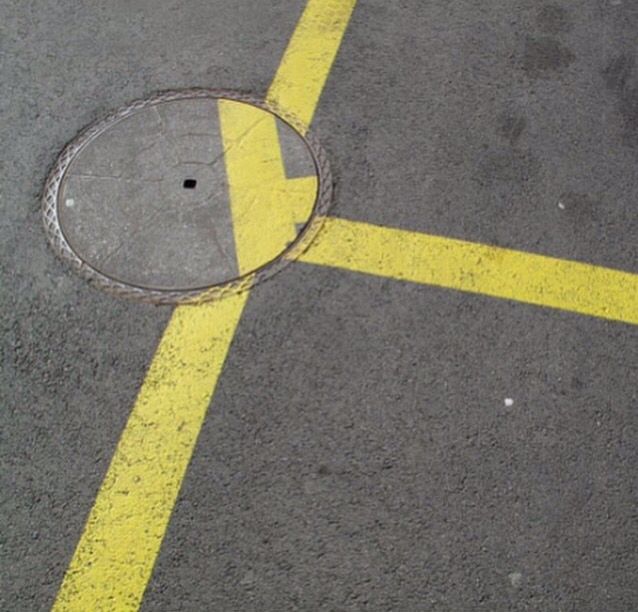
Municipal Patchwork
describes the layered, clashing attempts at public infrastructure
repair, mismatched bricks on a sidewalk or different types of
asphalt patches on a single street, where new materials are stitched
onto old ones without concern for seamlessness.
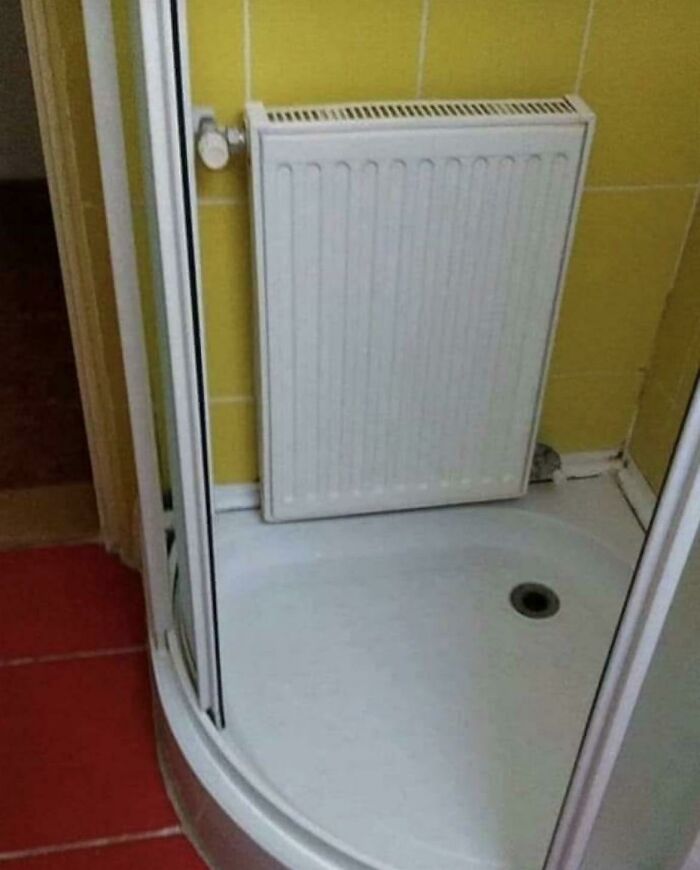
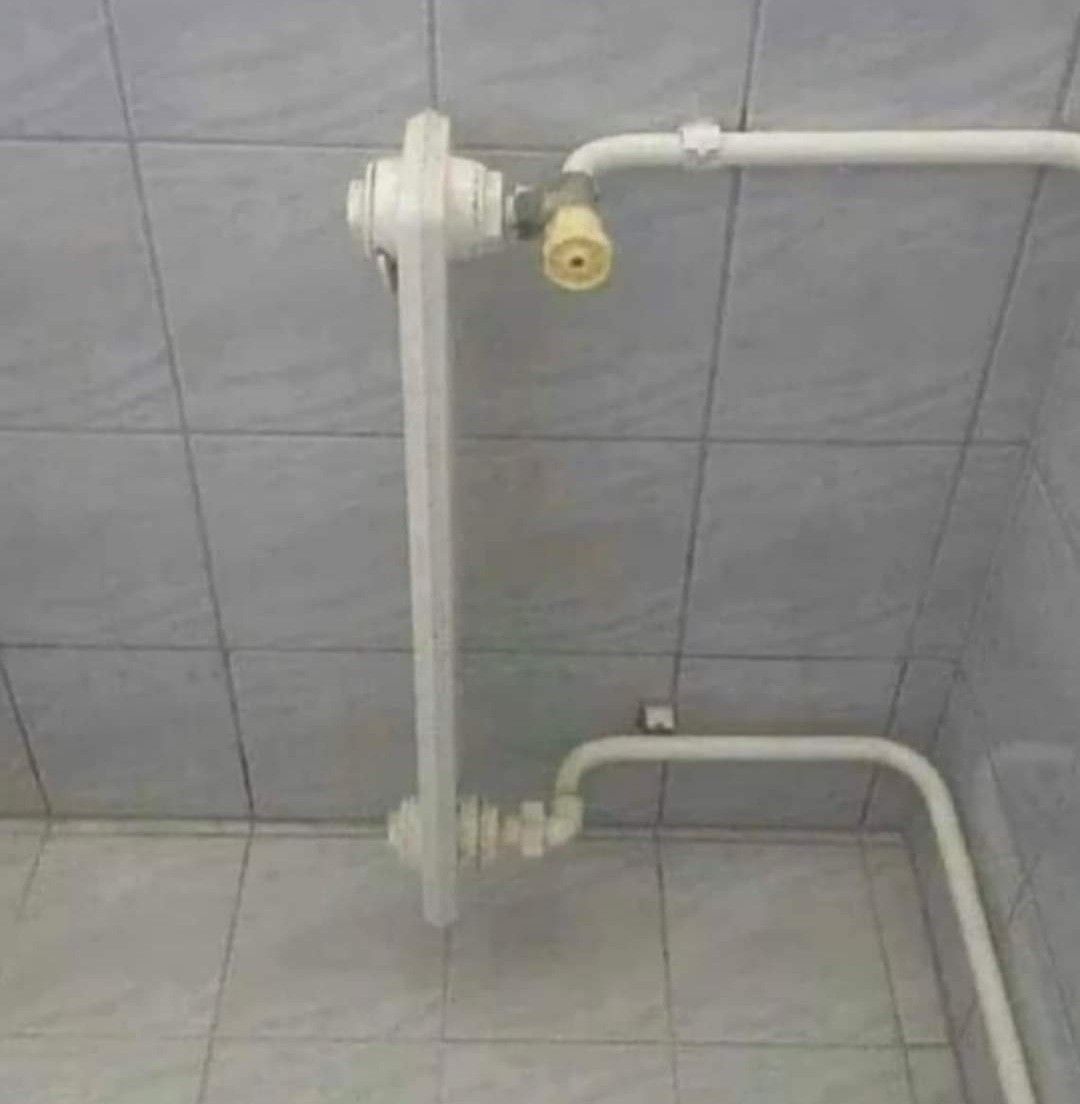
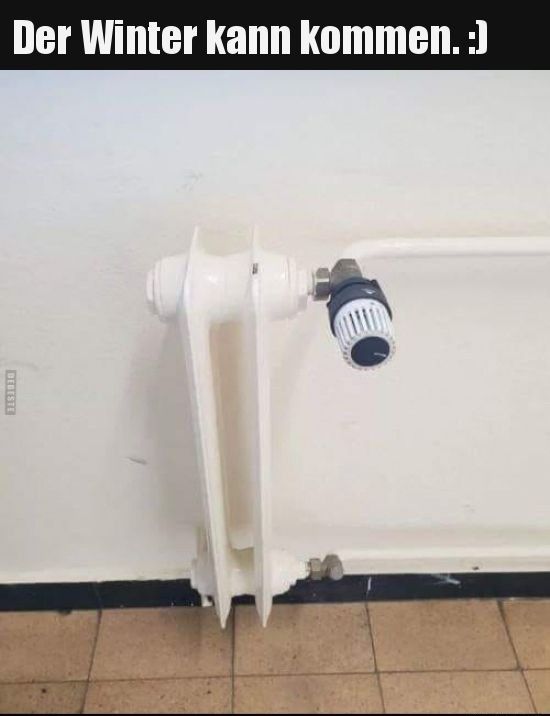
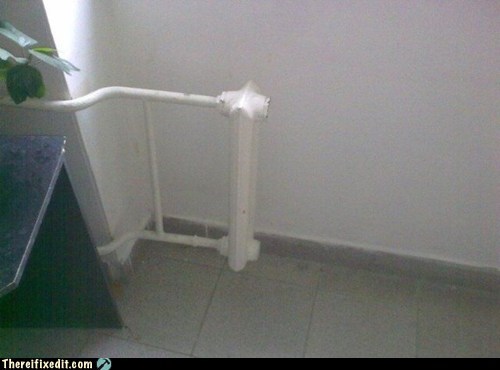
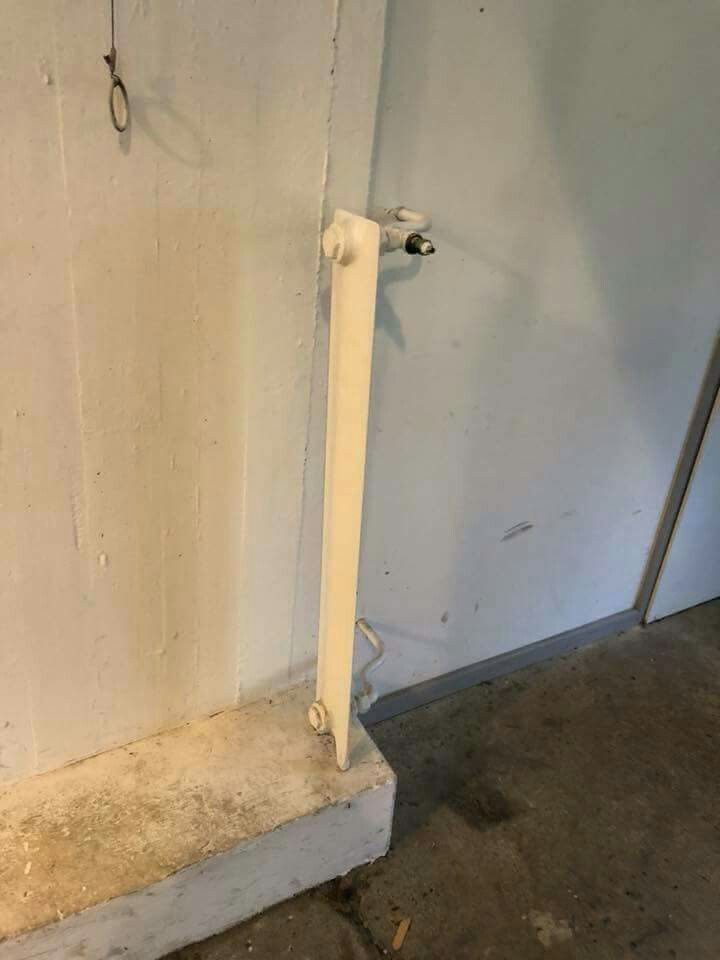
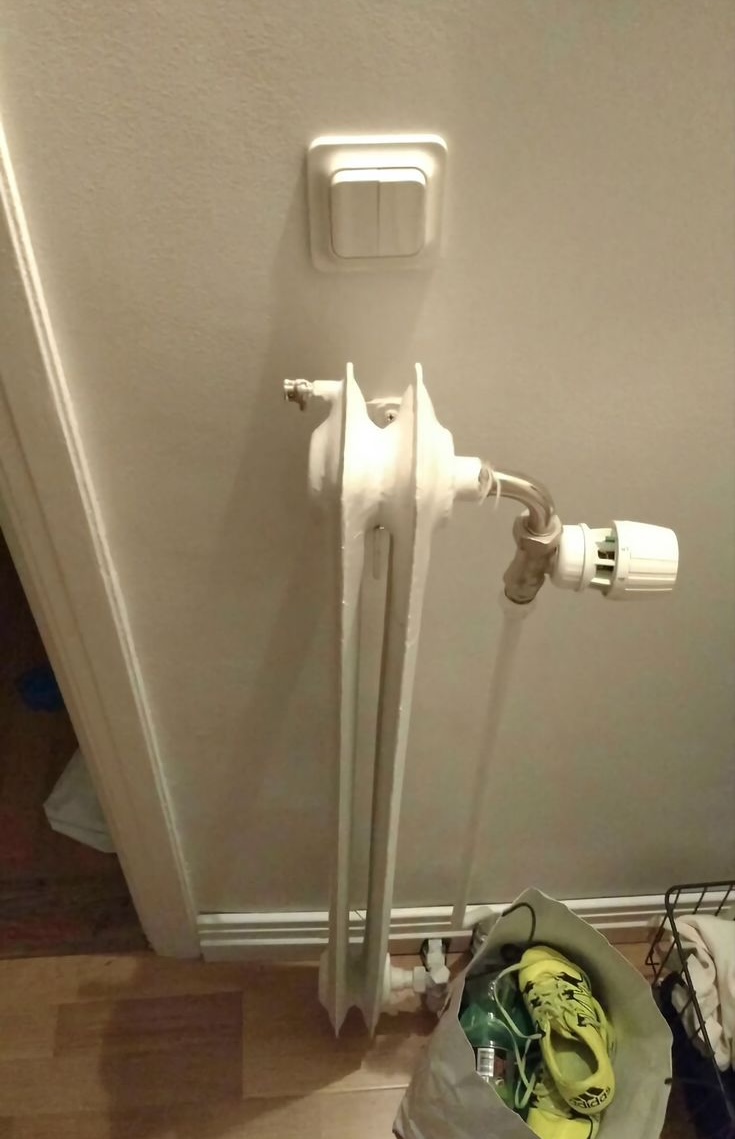
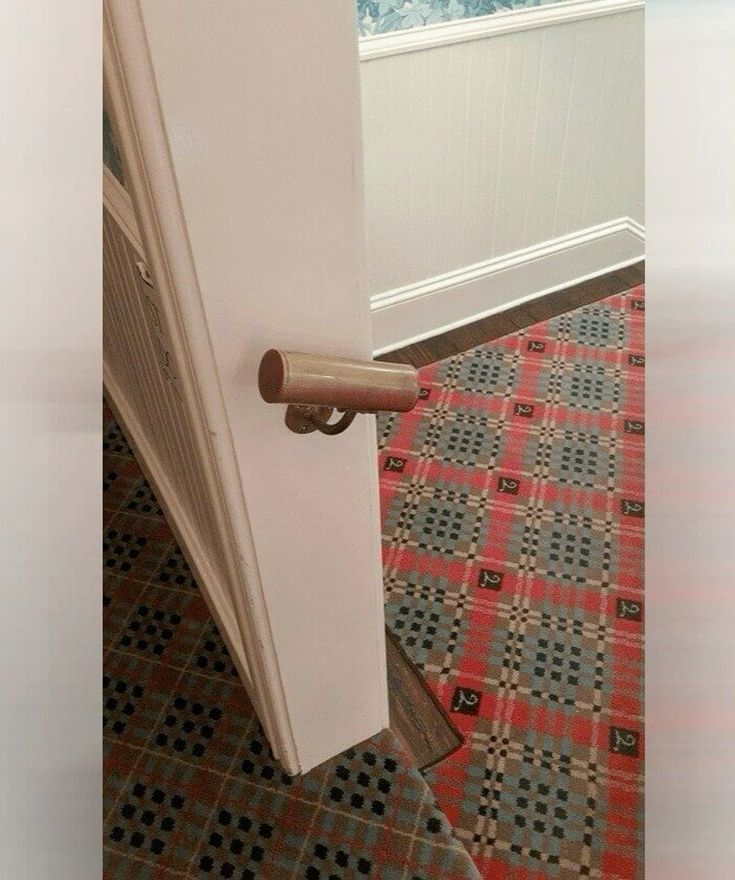
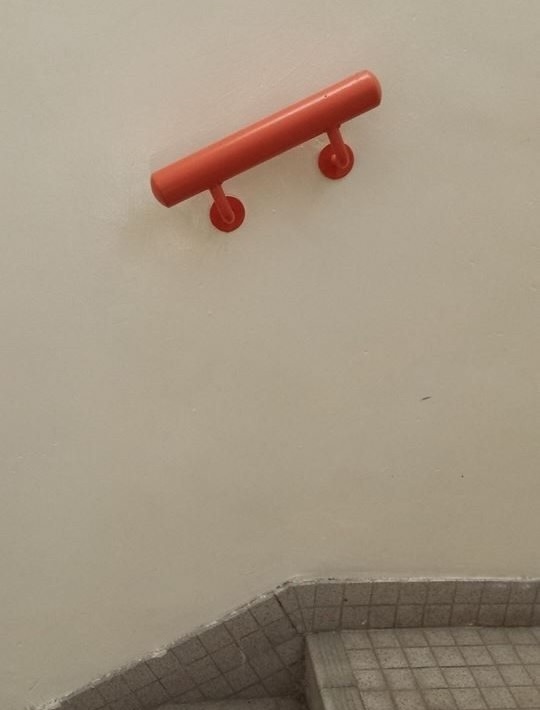
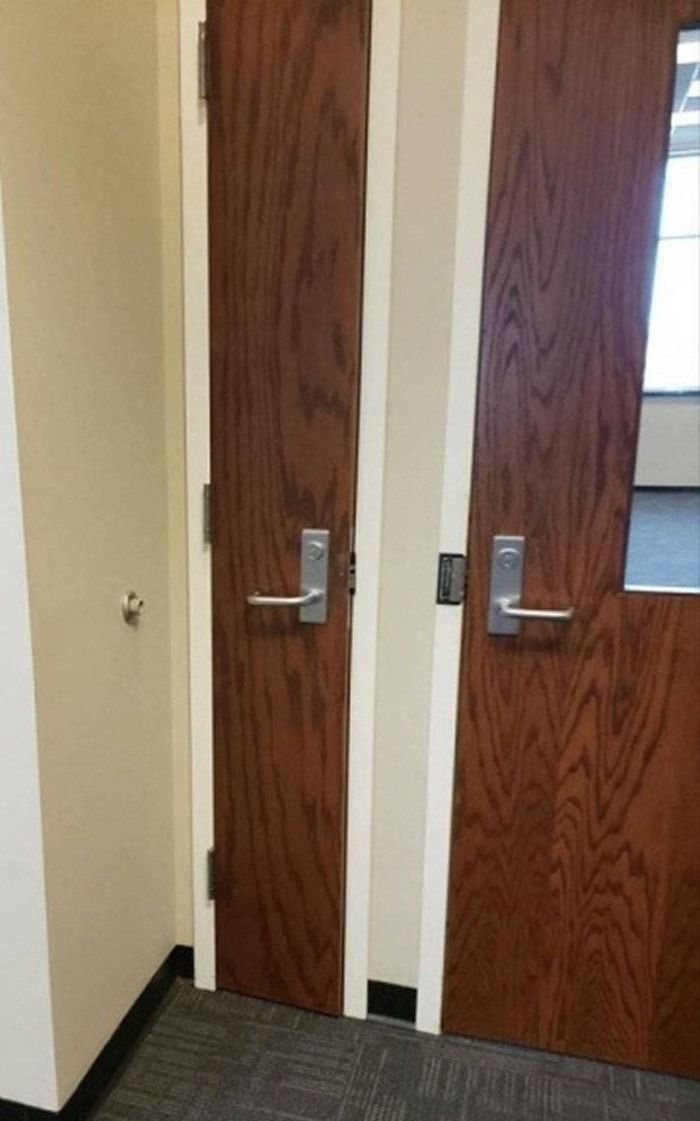
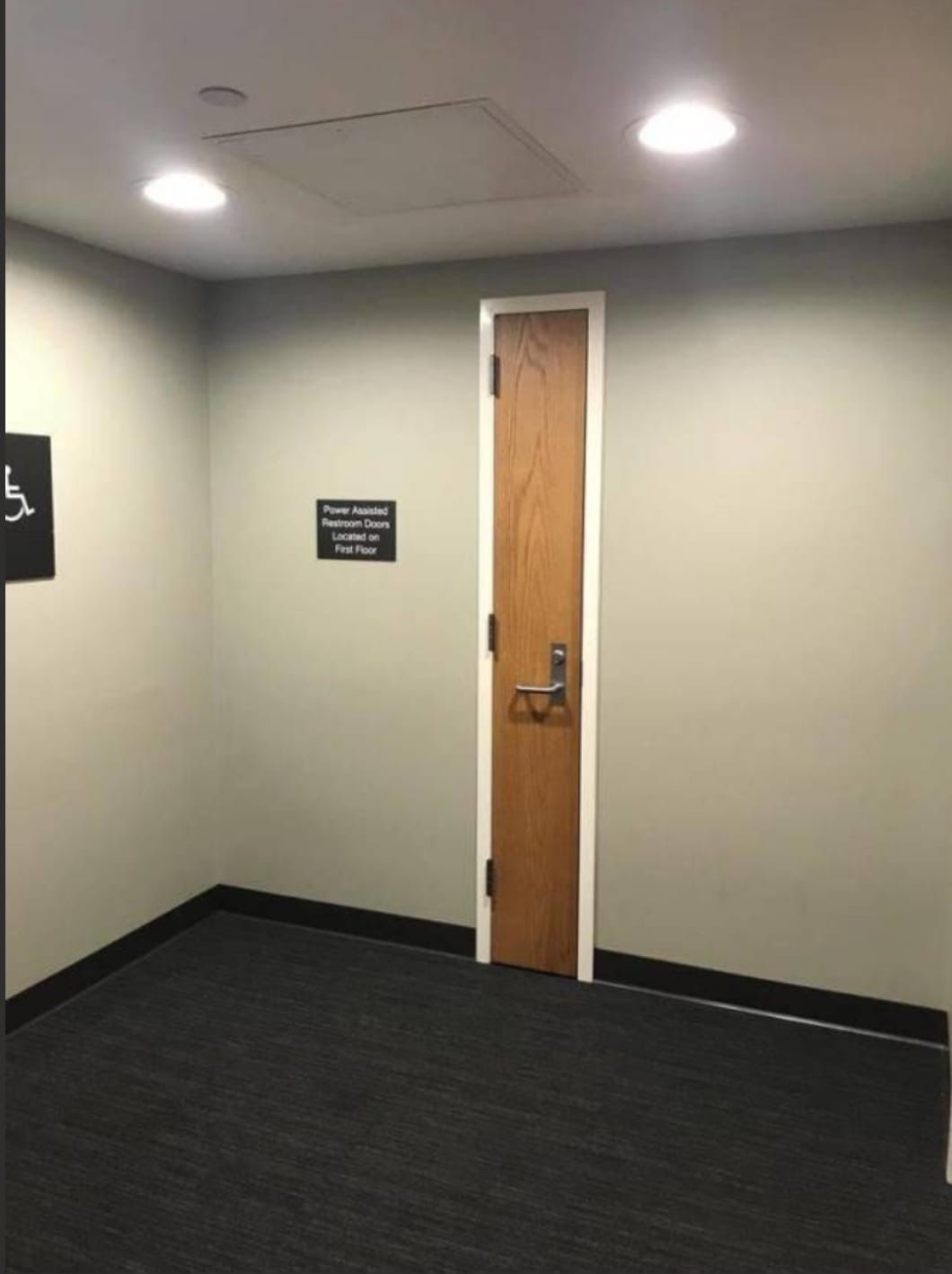
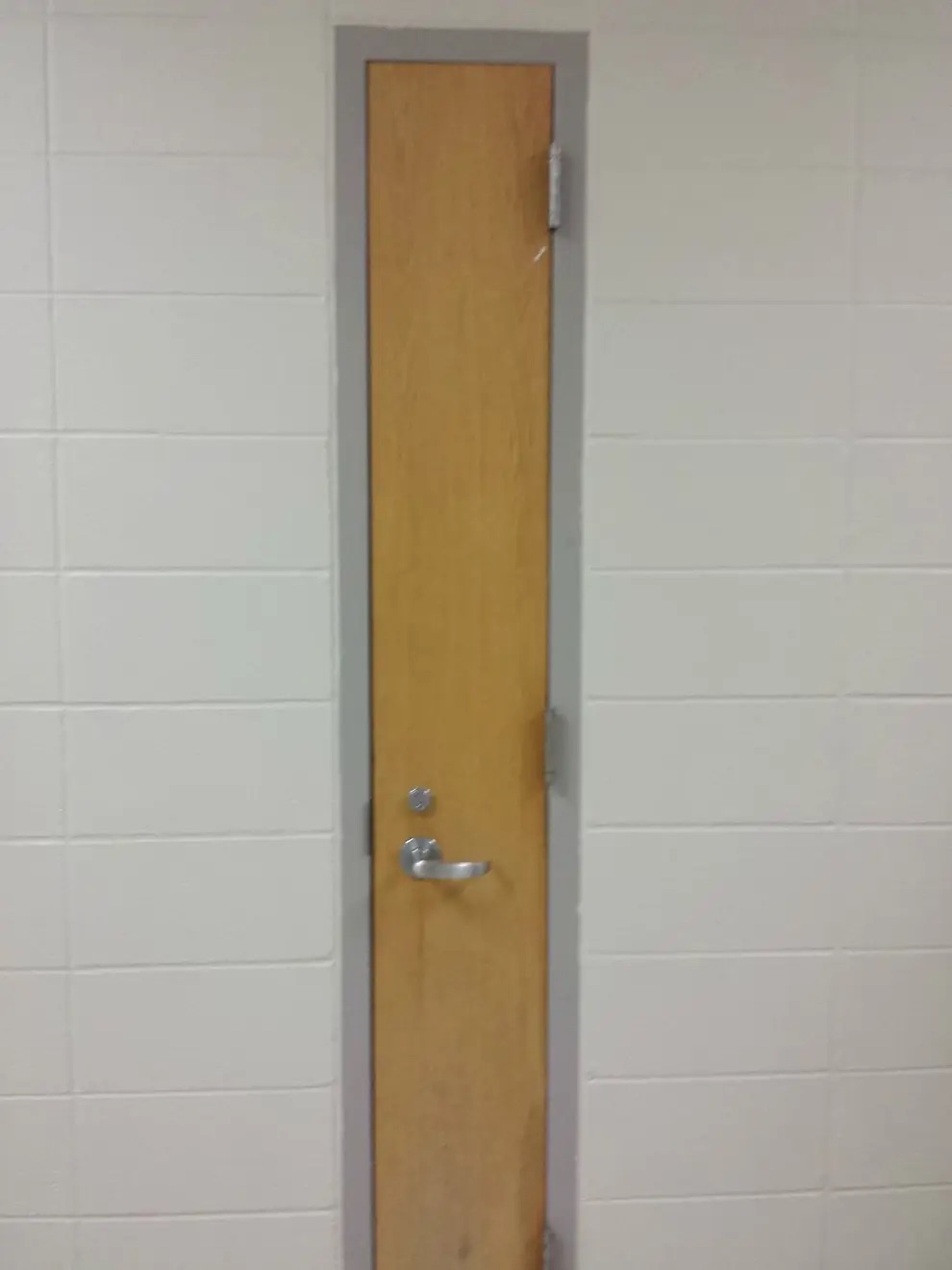
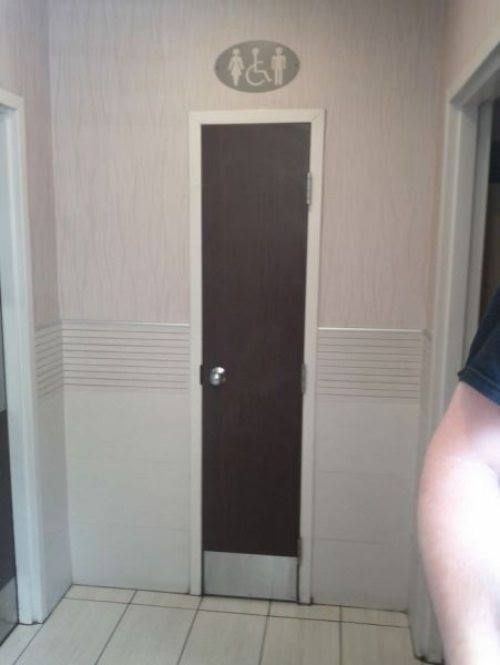
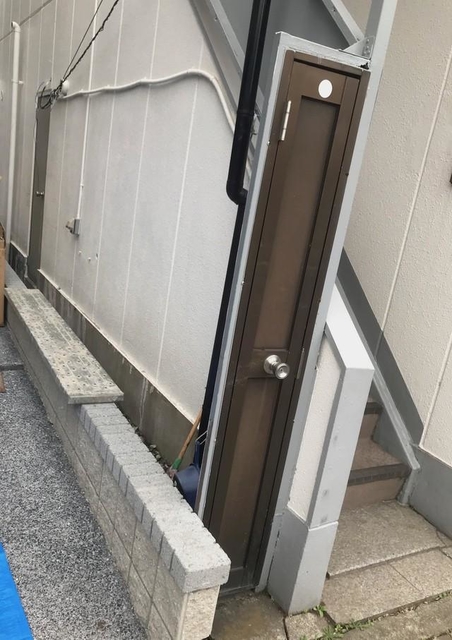
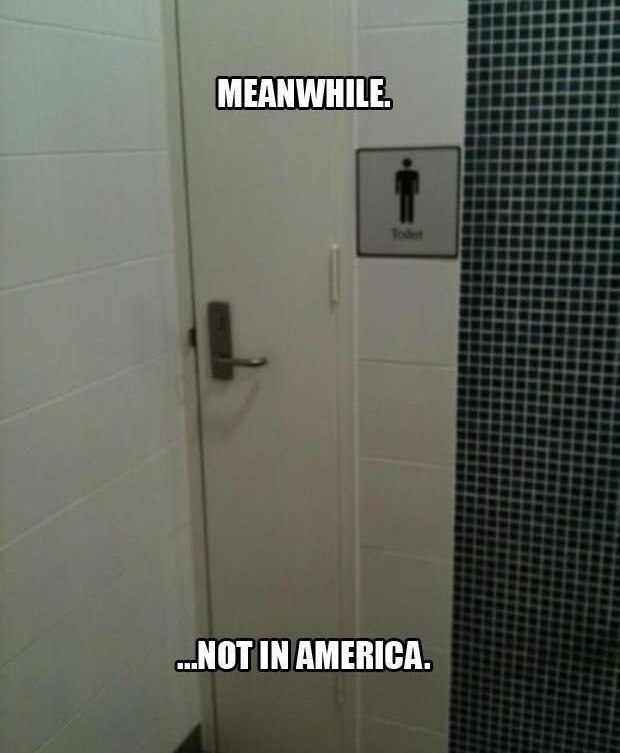
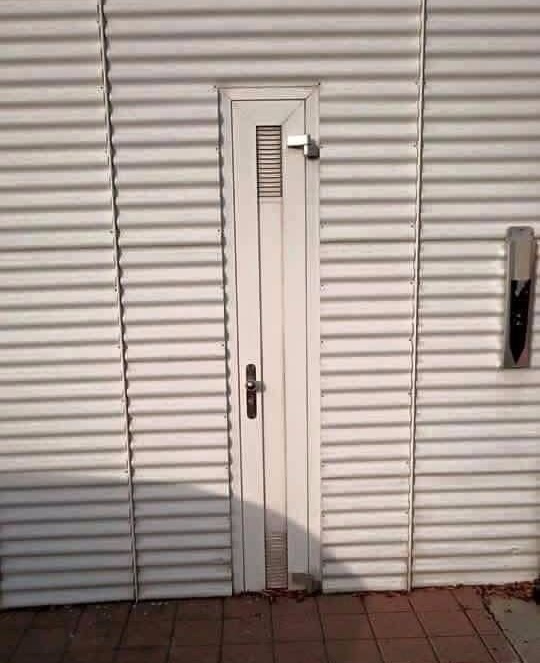
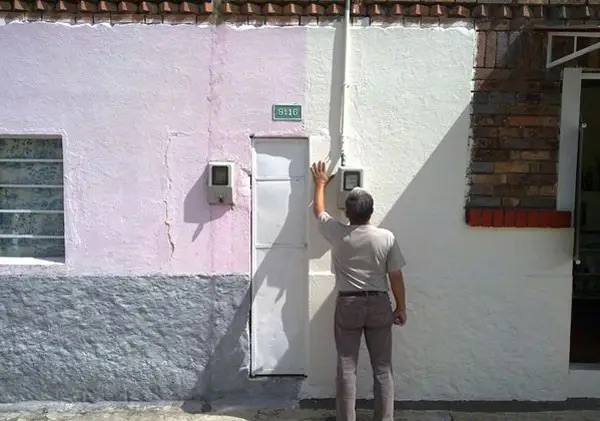
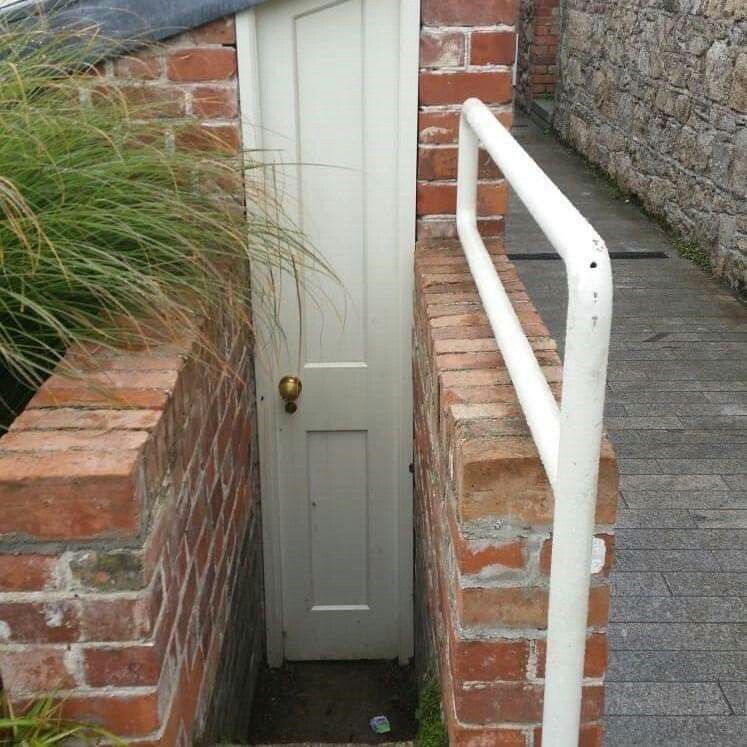
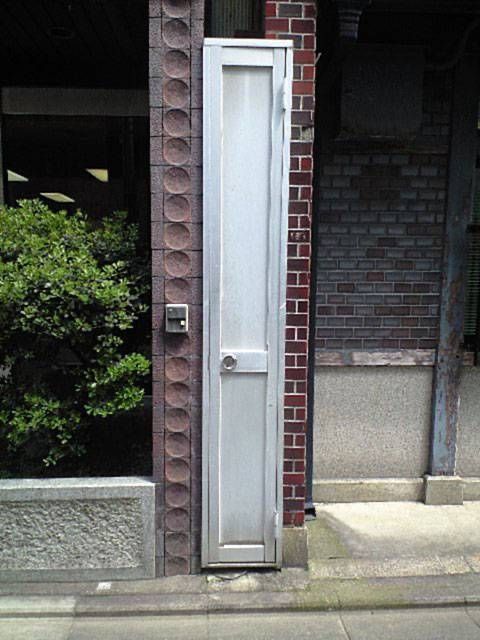
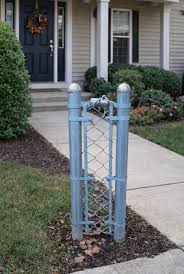
Skinny Legends
borrows an affectionate expression from internet fan culture to
describe unusually thin, narrow, or undersized objects. Radiators,
doors, and fences appear reduced to barely functional proportions,
turning their exaggerated slenderness into a visual joke about
usefulness and inadequacy.
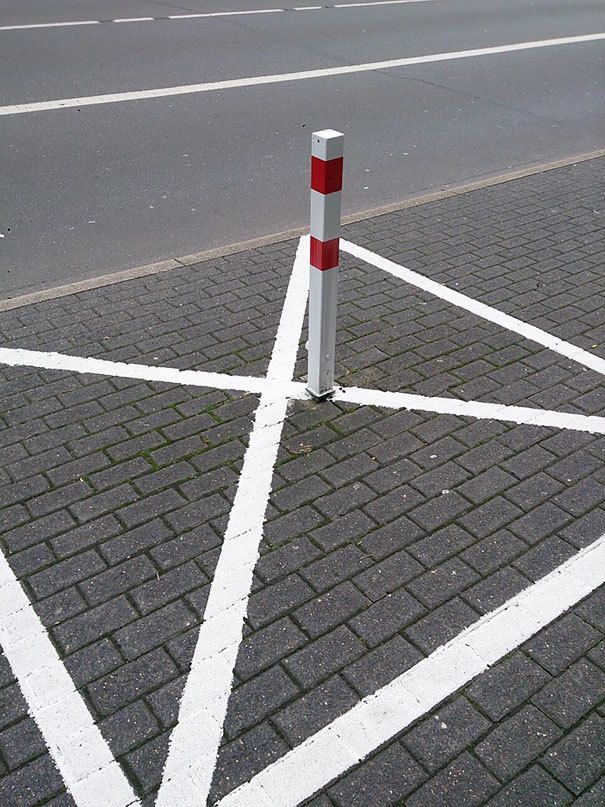
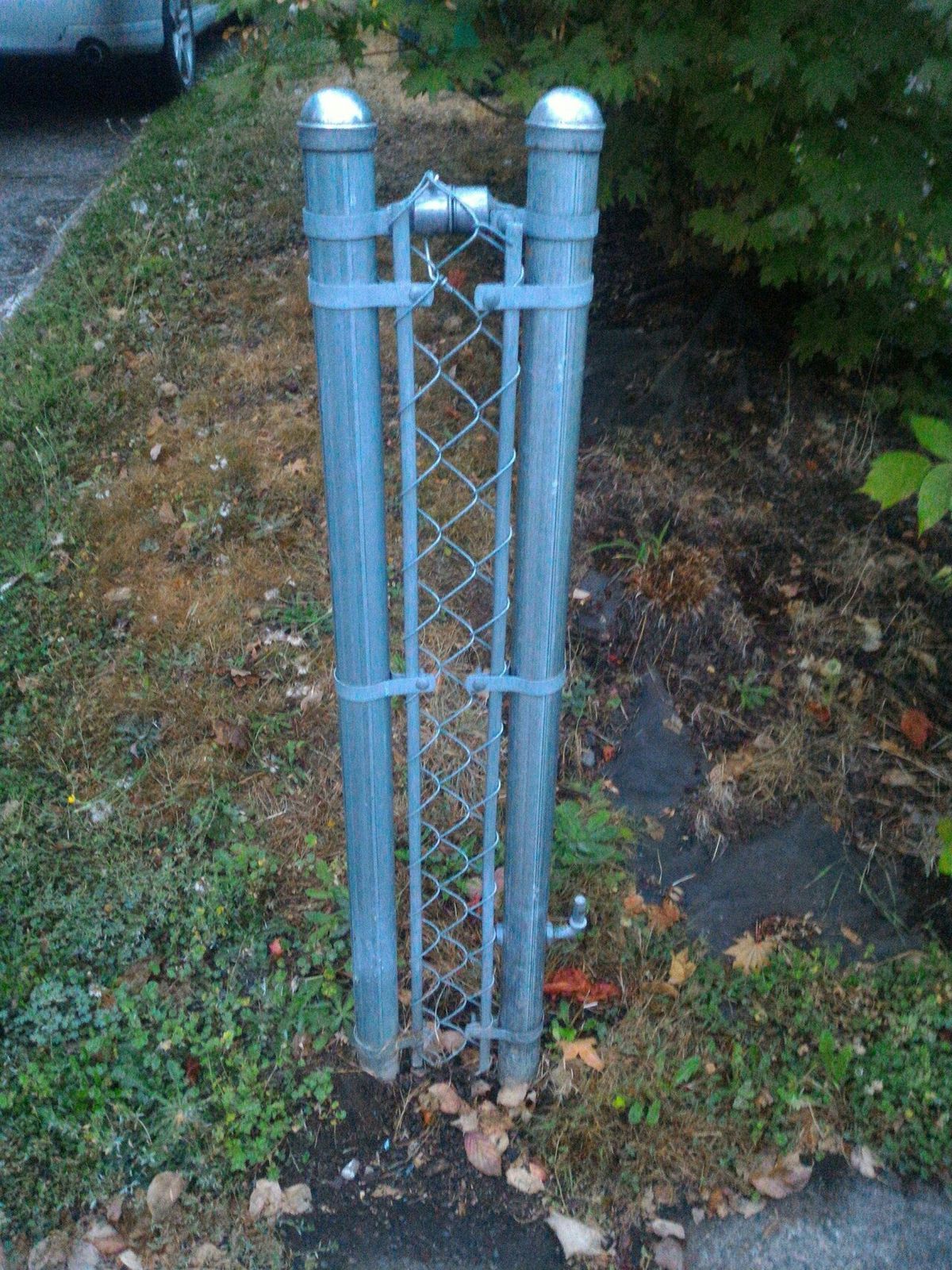
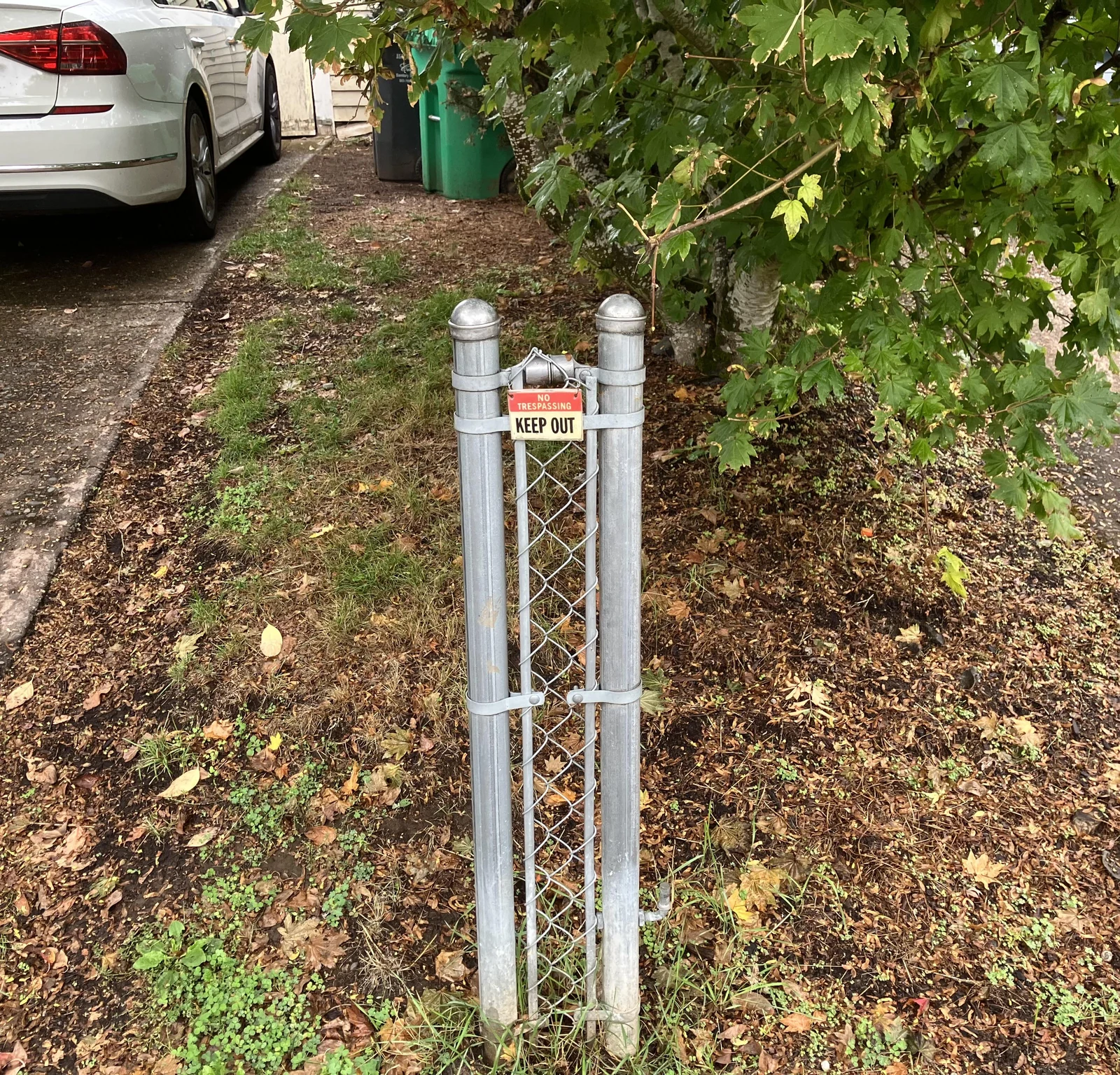
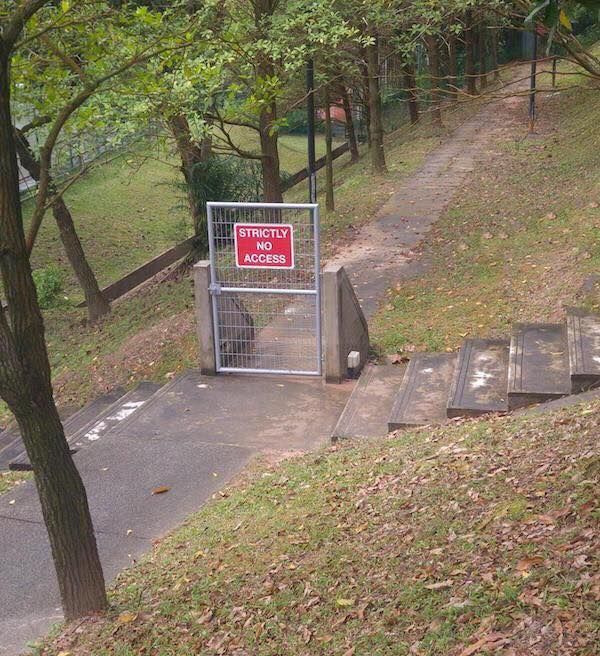
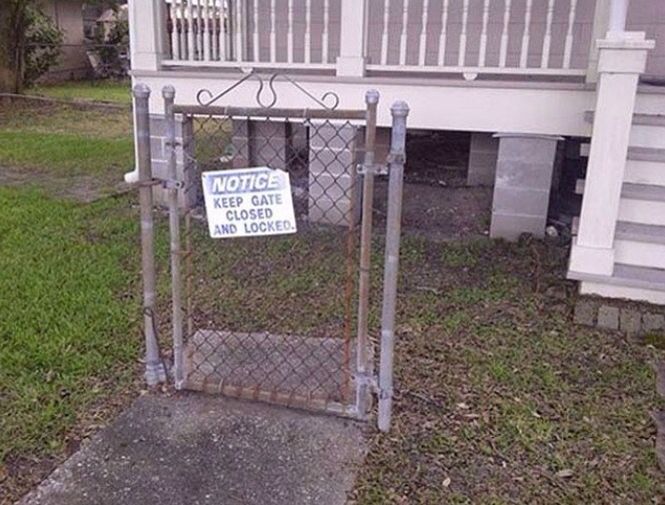
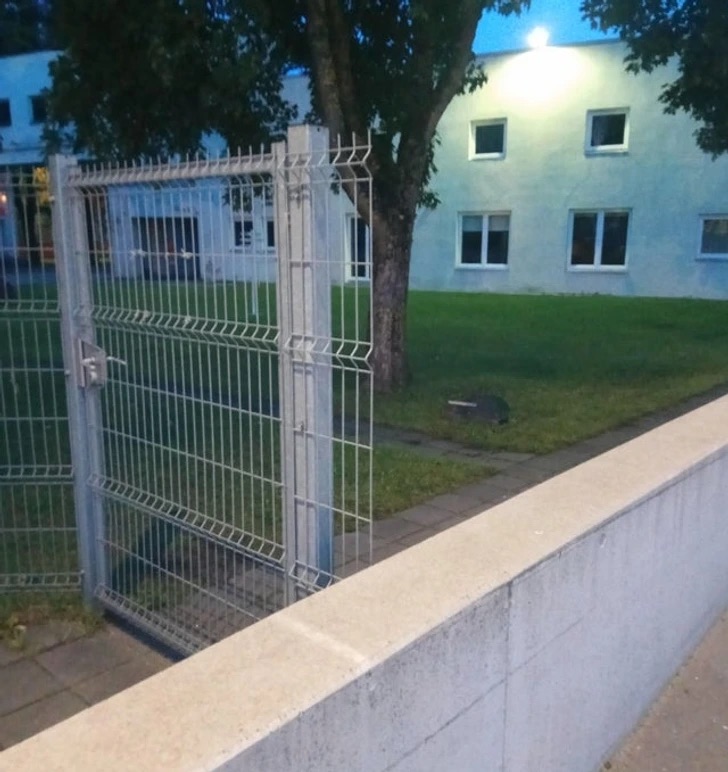
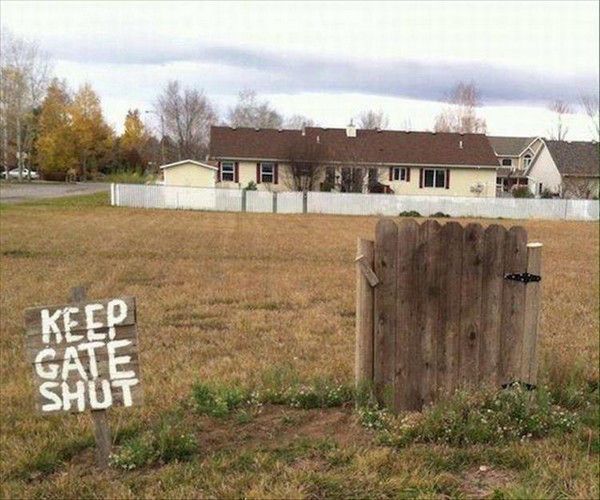
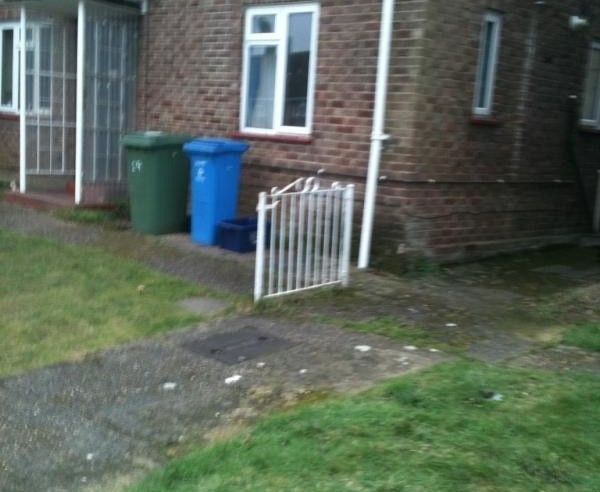
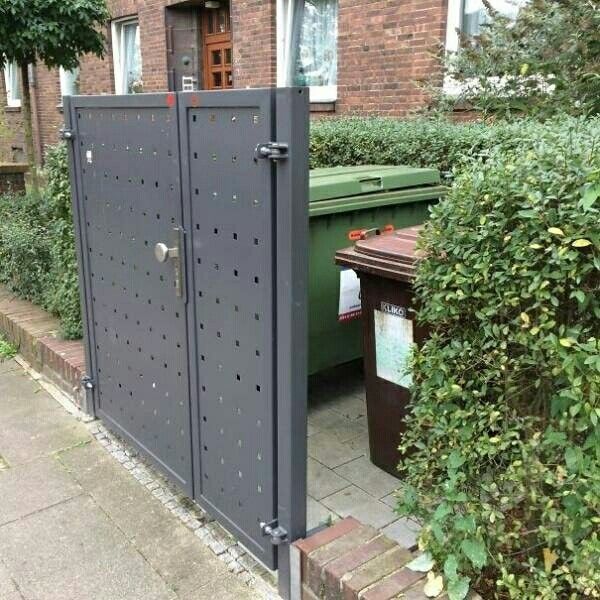
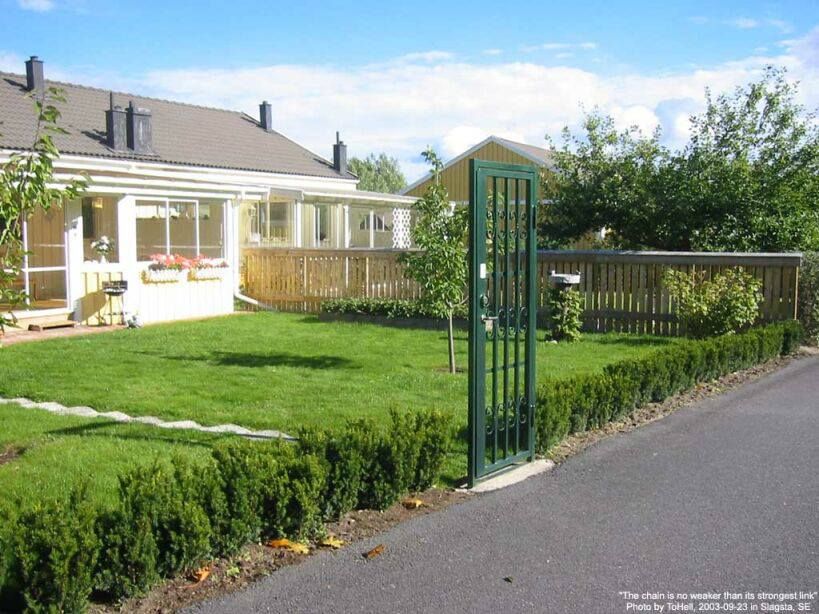
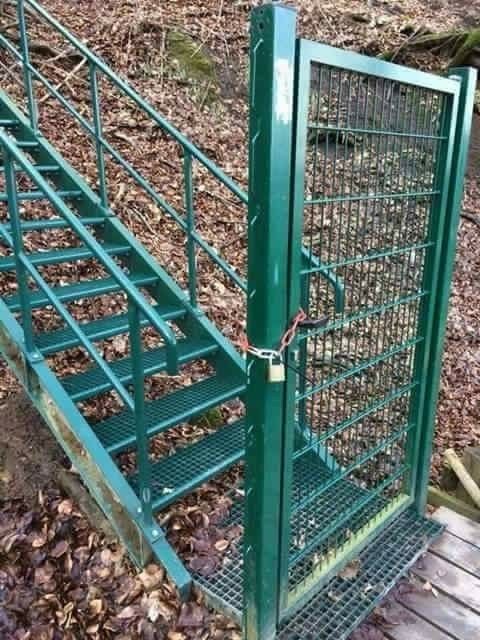
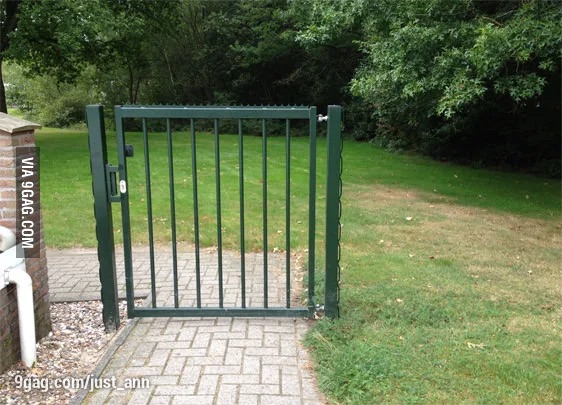
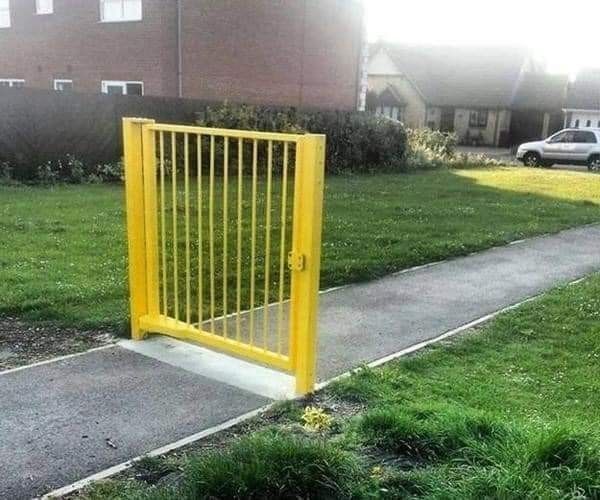
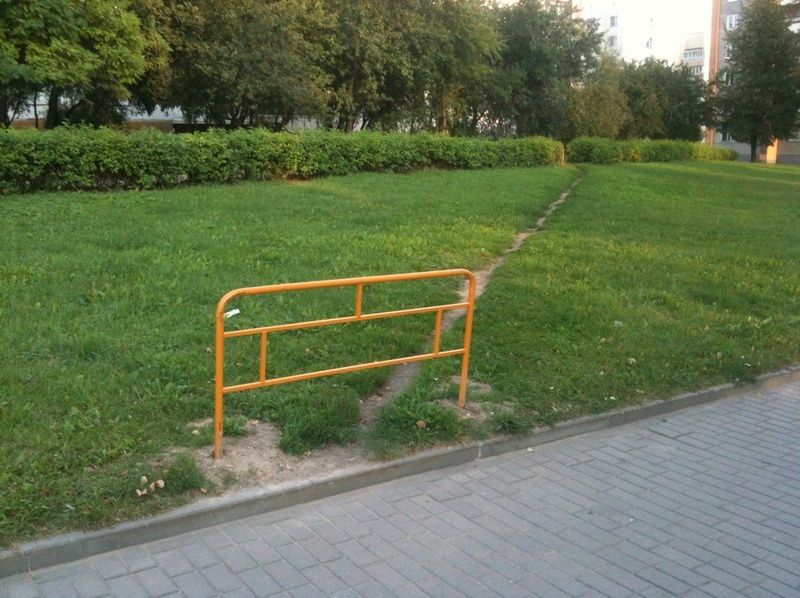
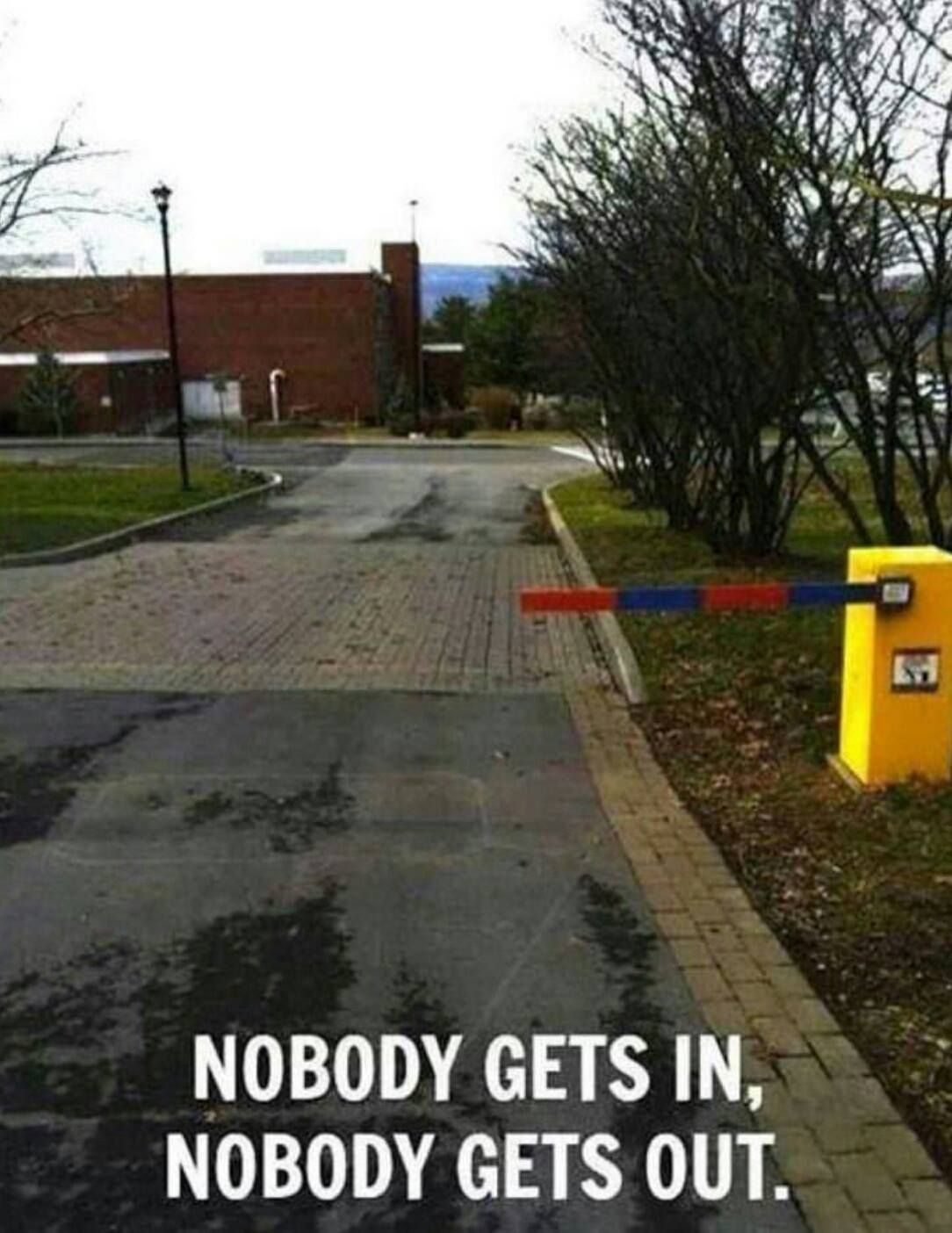
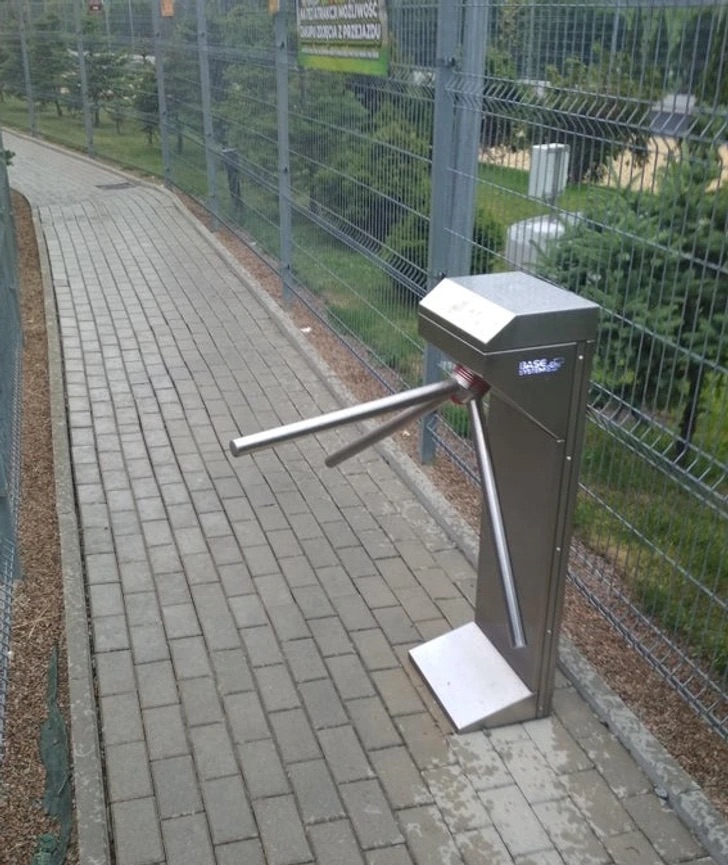
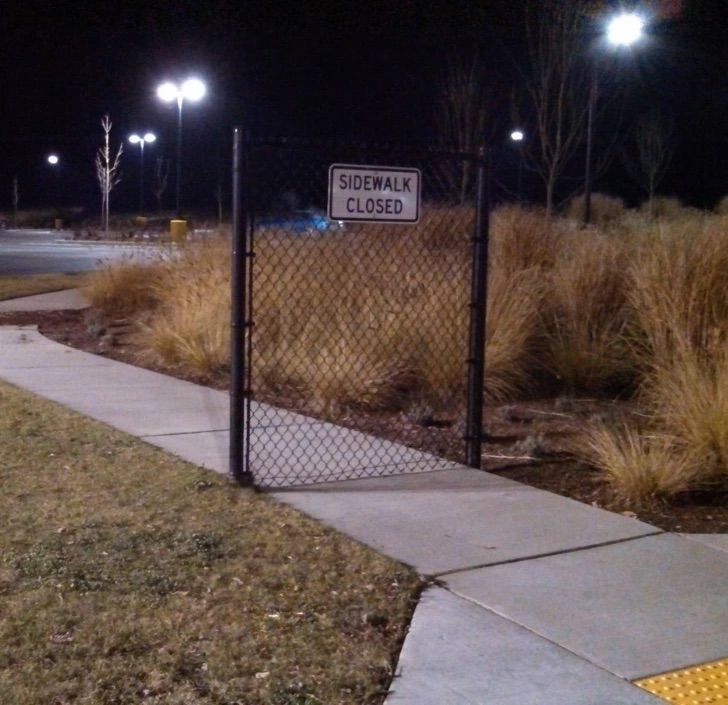
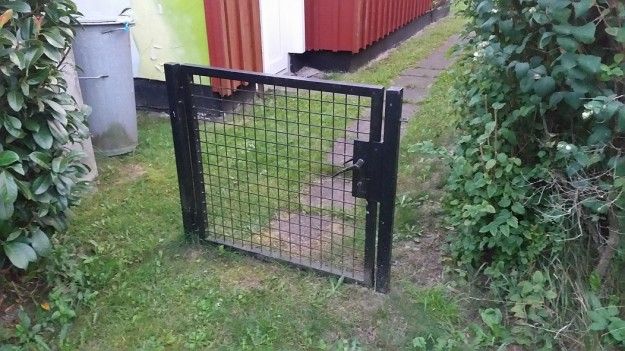
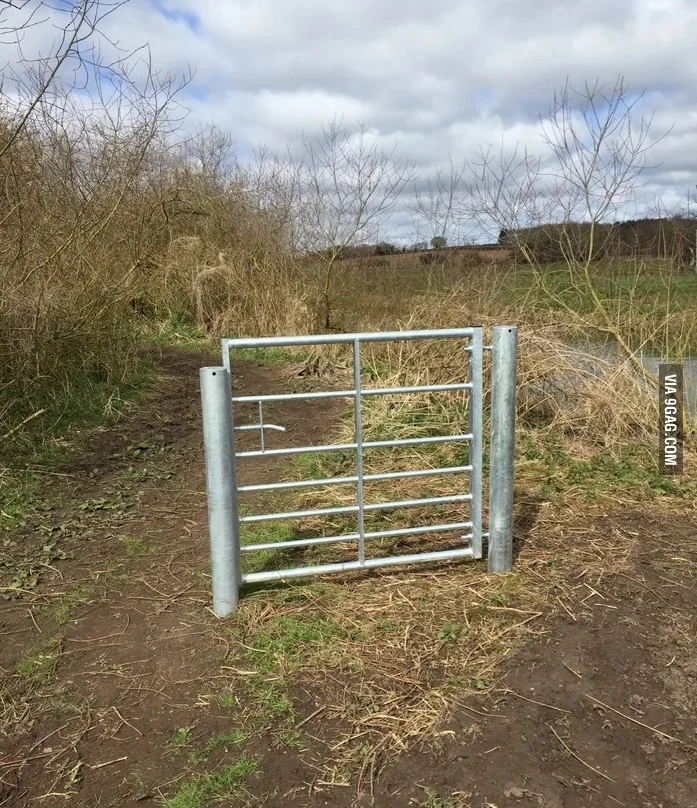
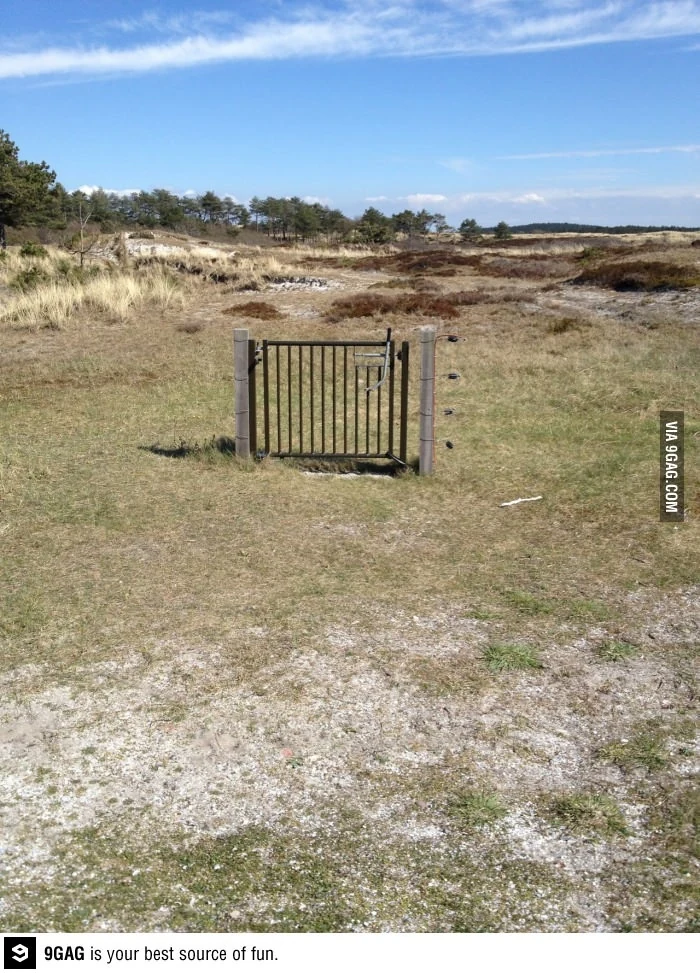
Keep Out
exposes the absurdity of barriers that fail to keep anyone out.
Isolated gates, unsupported doors, and fences with open routes around
them retain the appearance of security while offering little
resistance, turning the promise of restricted access into an empty
gesture.
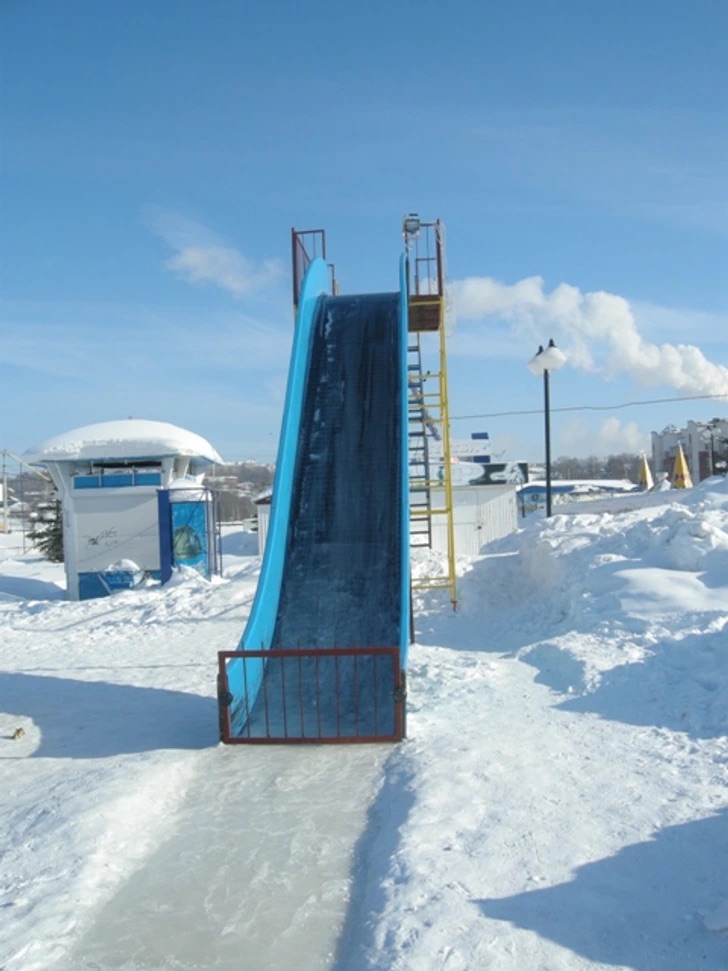
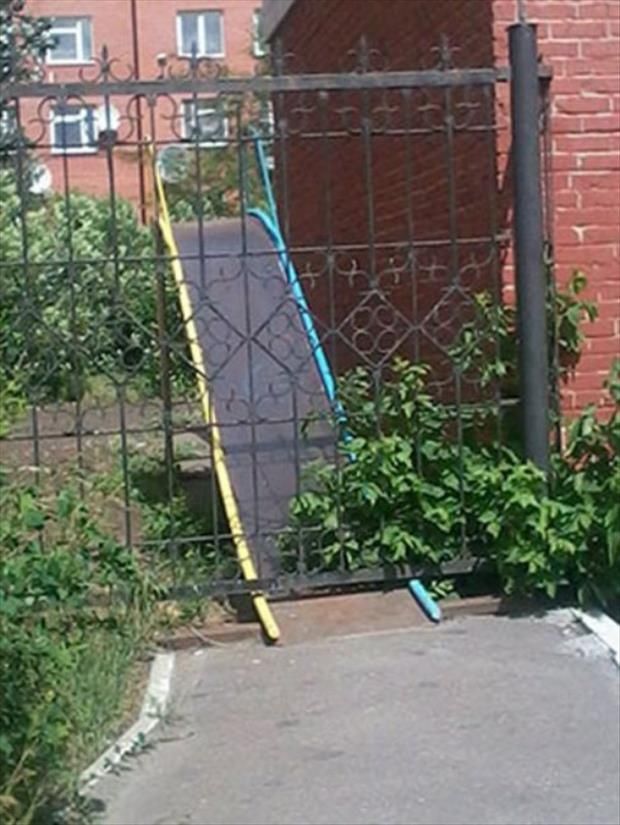
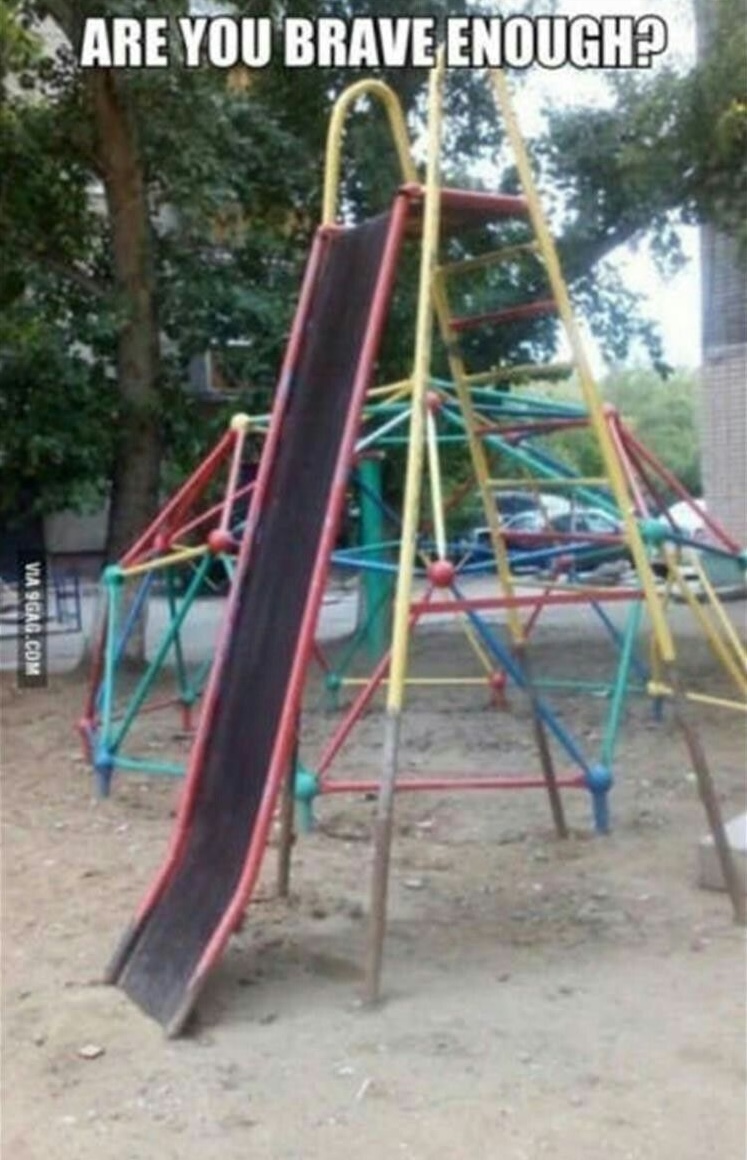
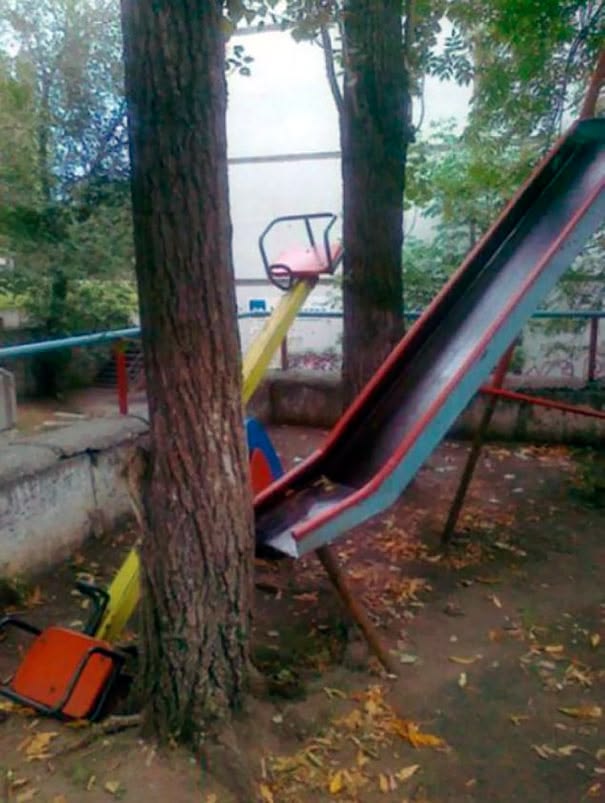
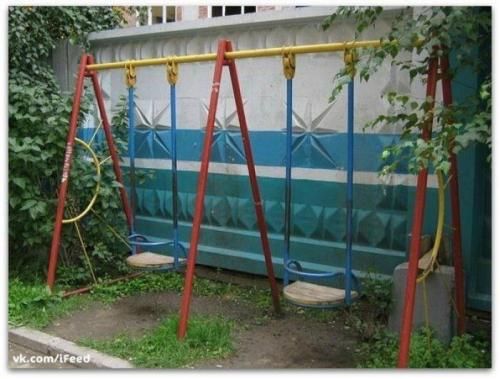
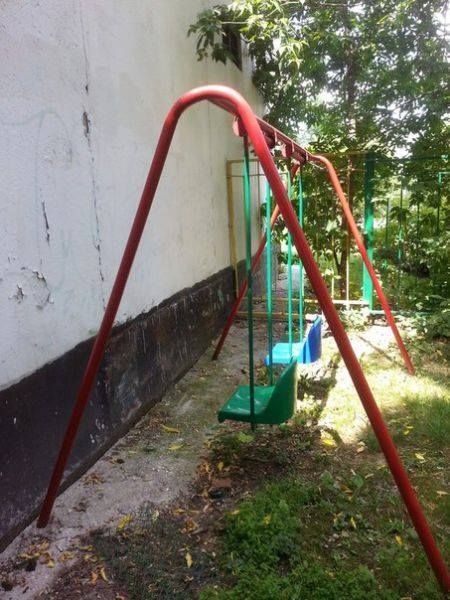
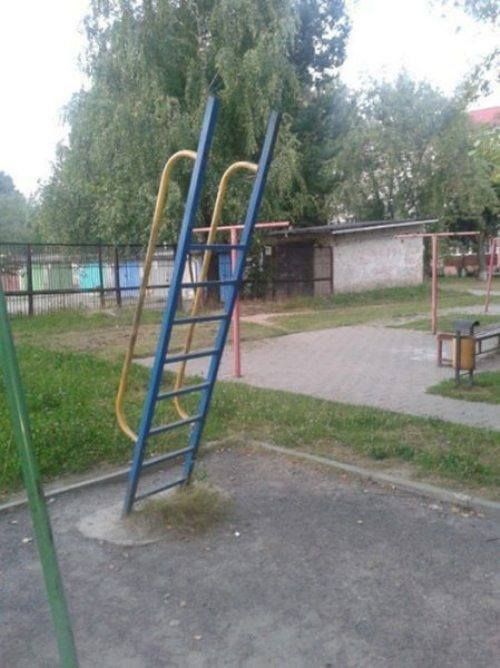
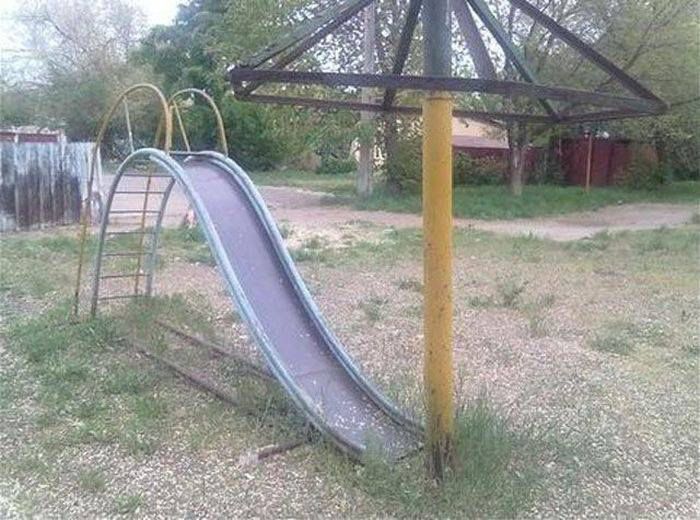
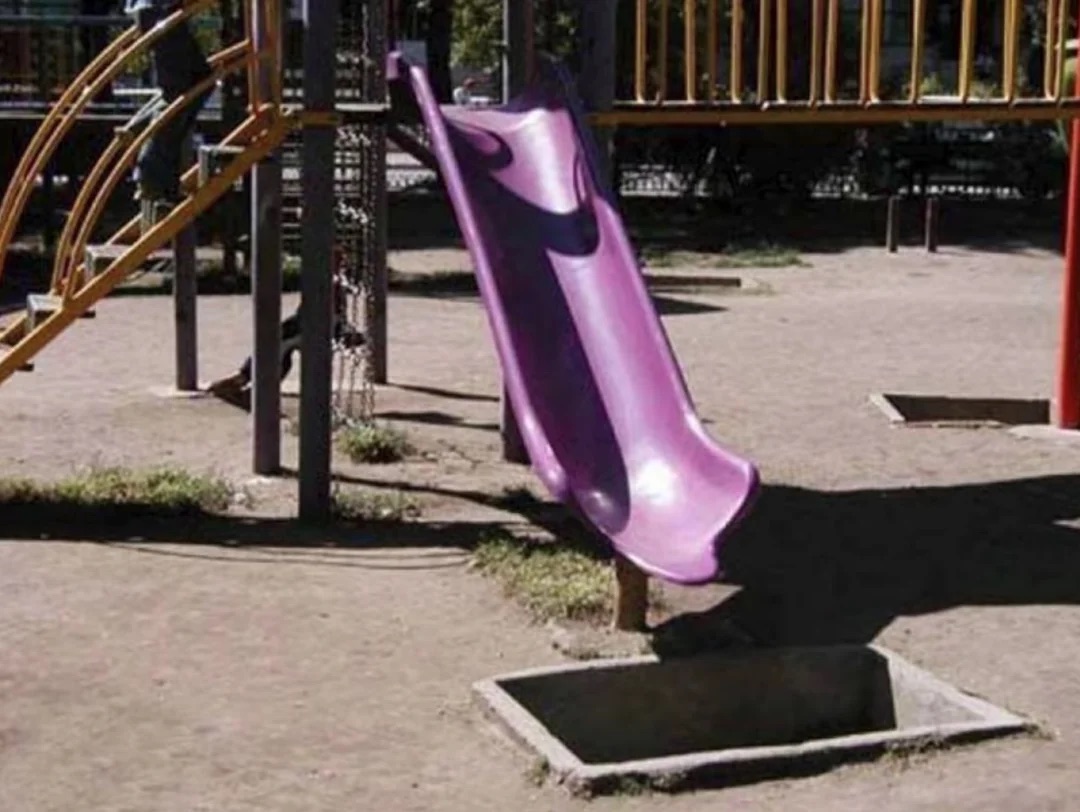
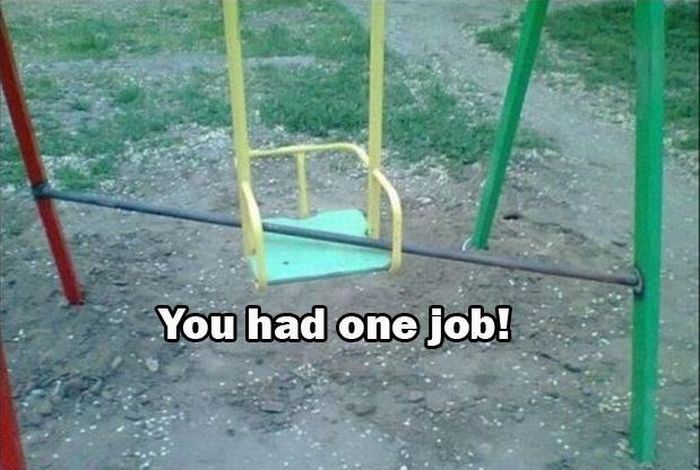
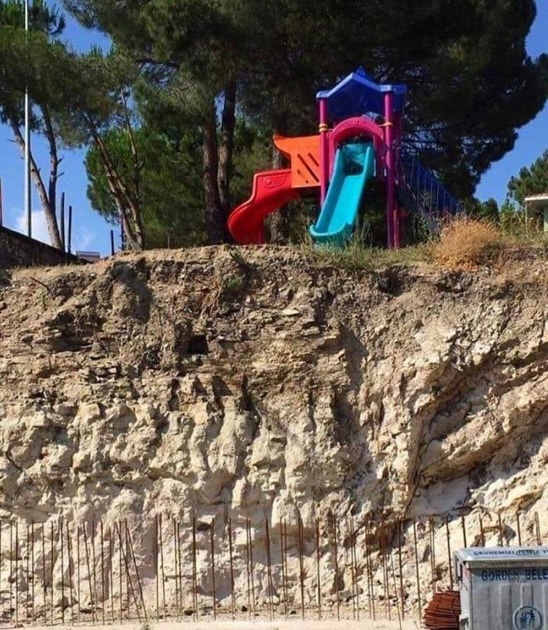
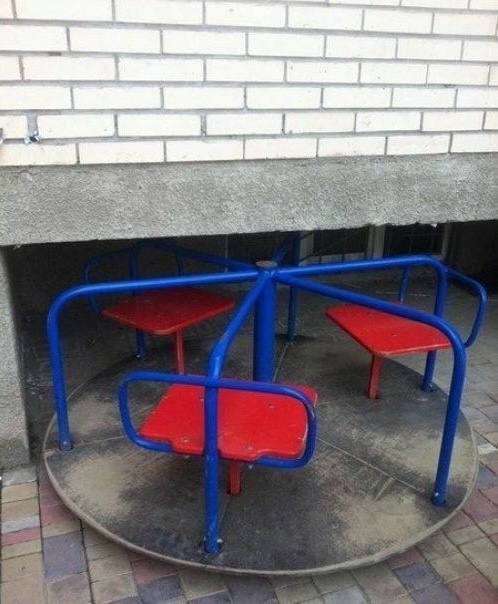
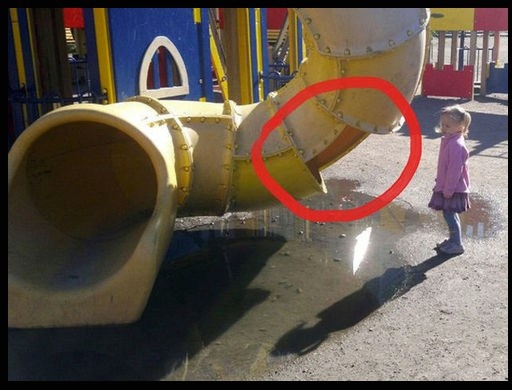
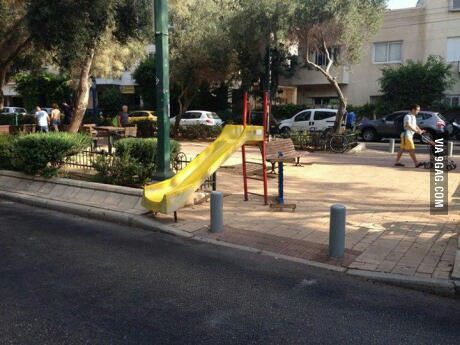
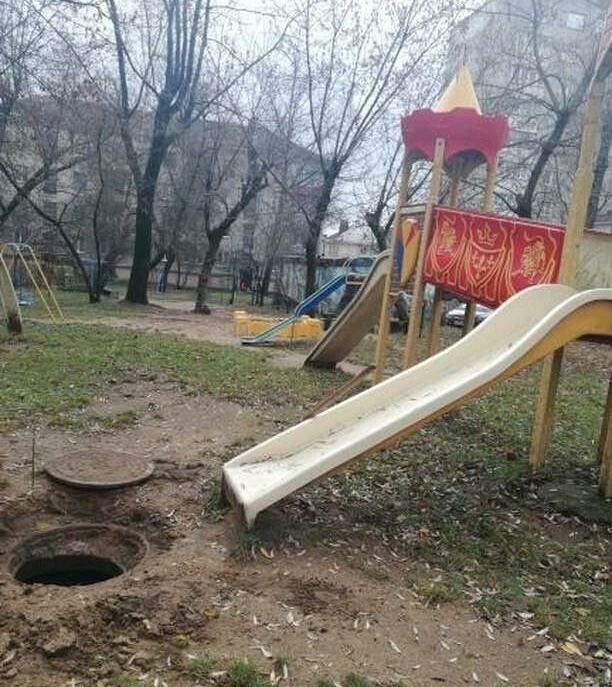
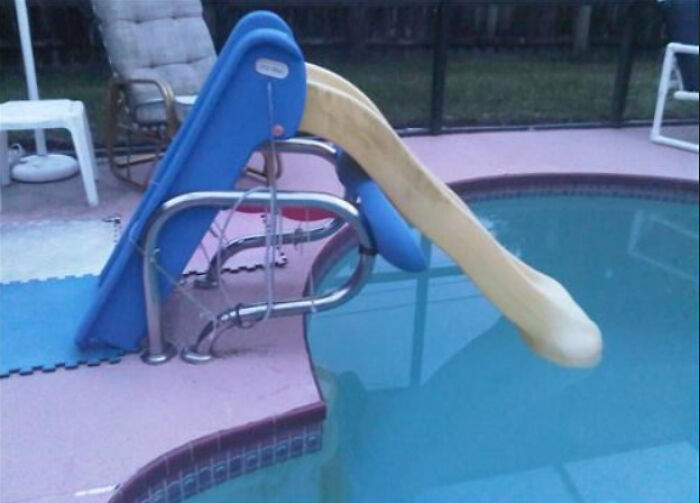
Funny Games
borrows the title of Michael Haneke’s film to frame playgrounds
where the promise of fun conceals potential danger. Awkward swings,
misplaced slides, and poorly assembled equipment transform spaces
intended for play into unsettling encounters with careless design.
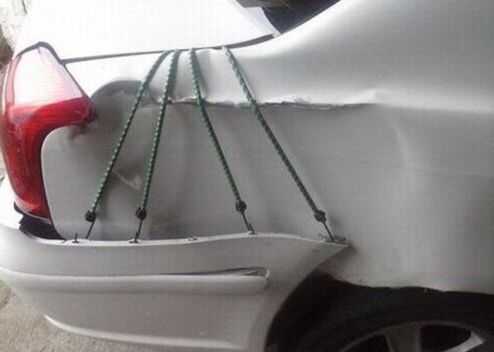
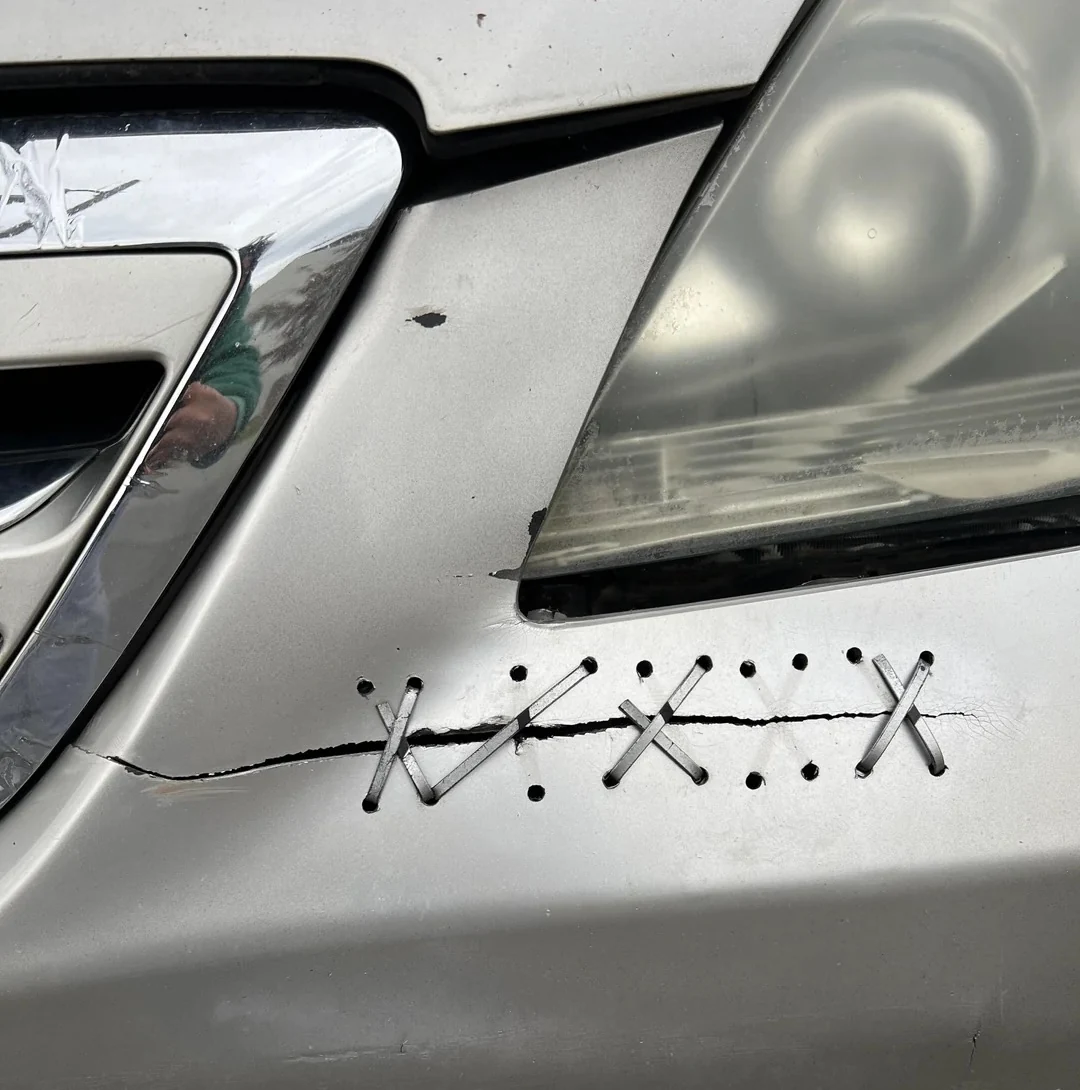
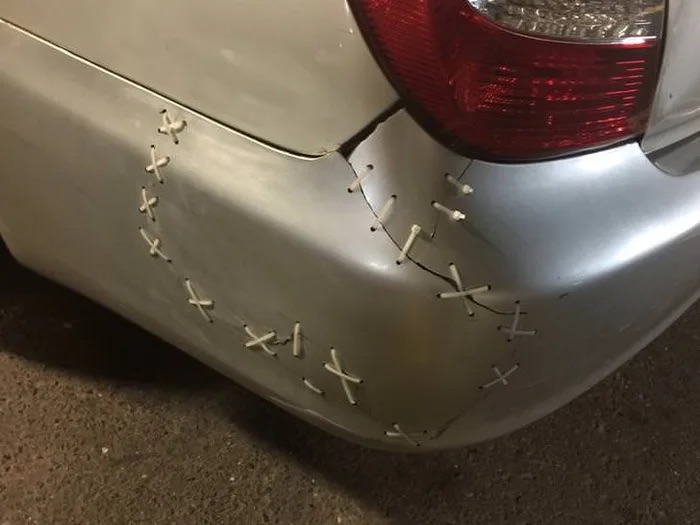
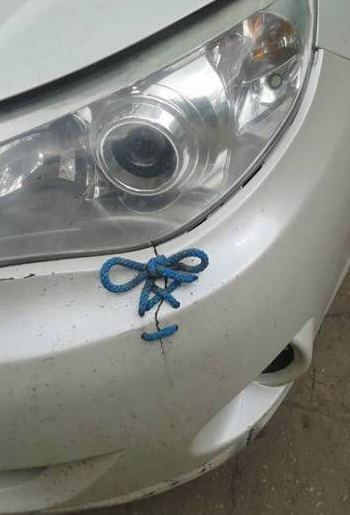
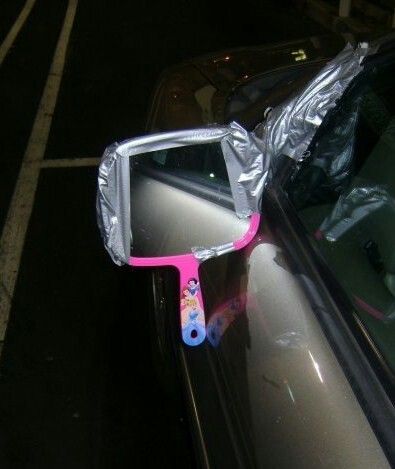
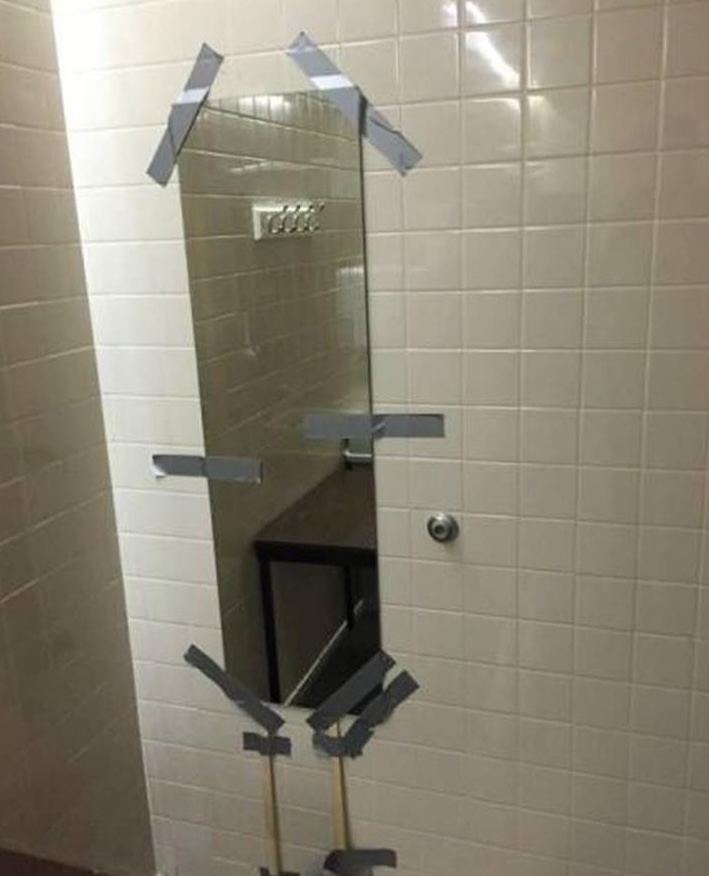
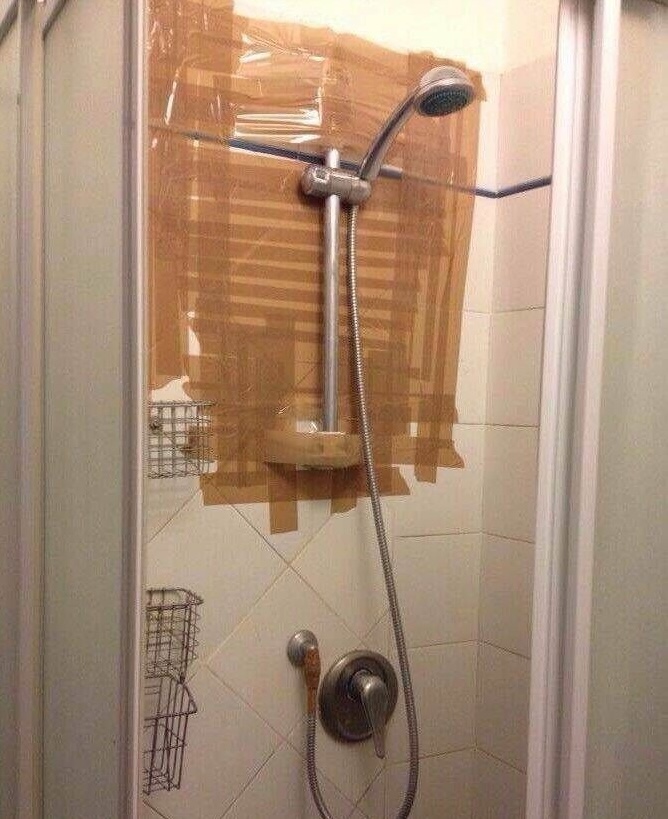
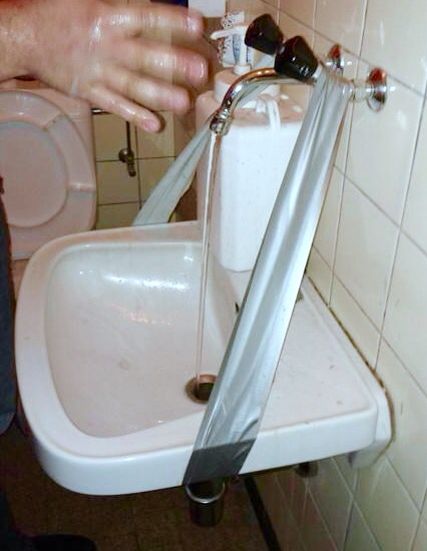
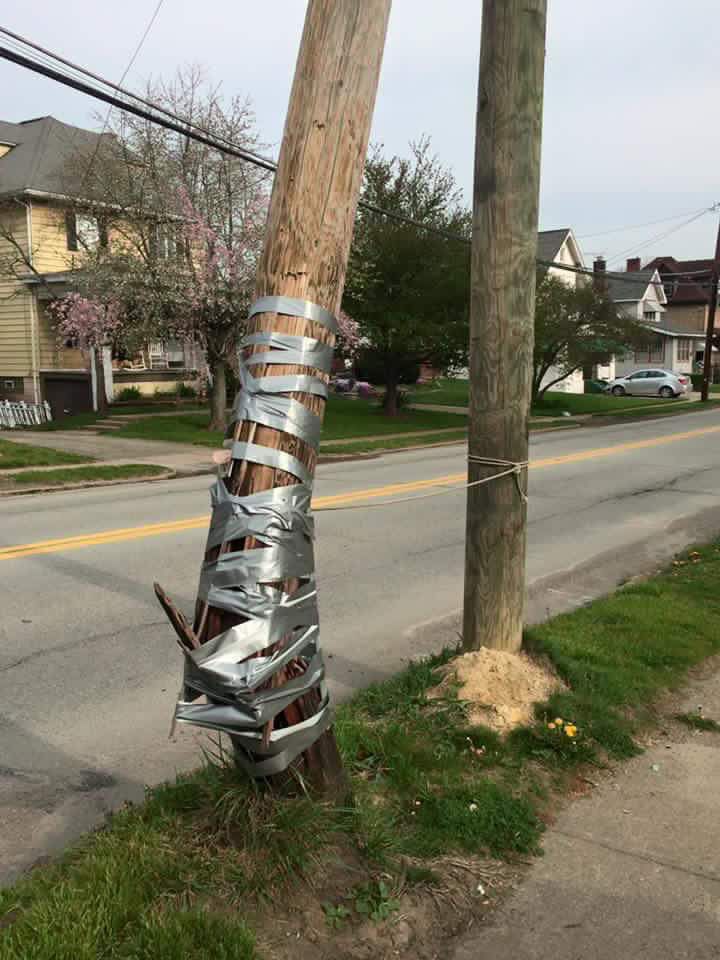
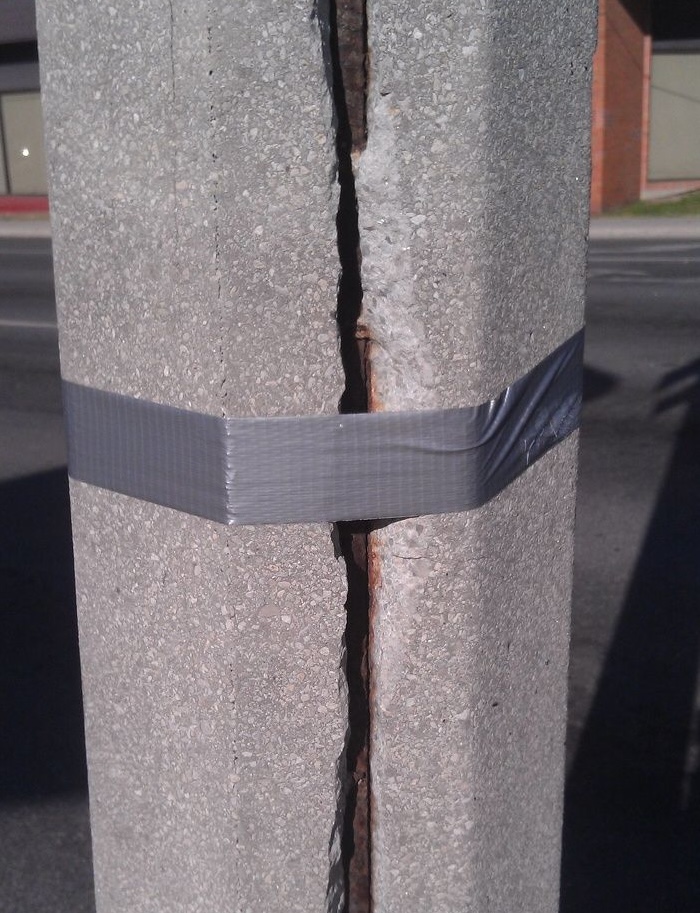
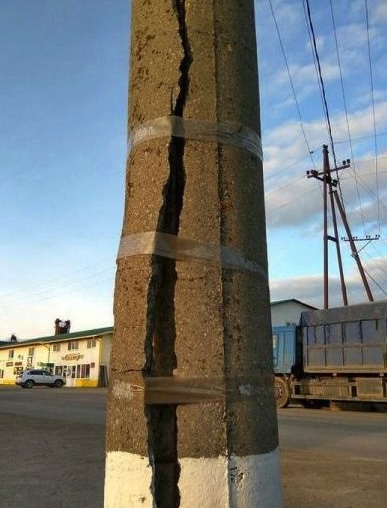
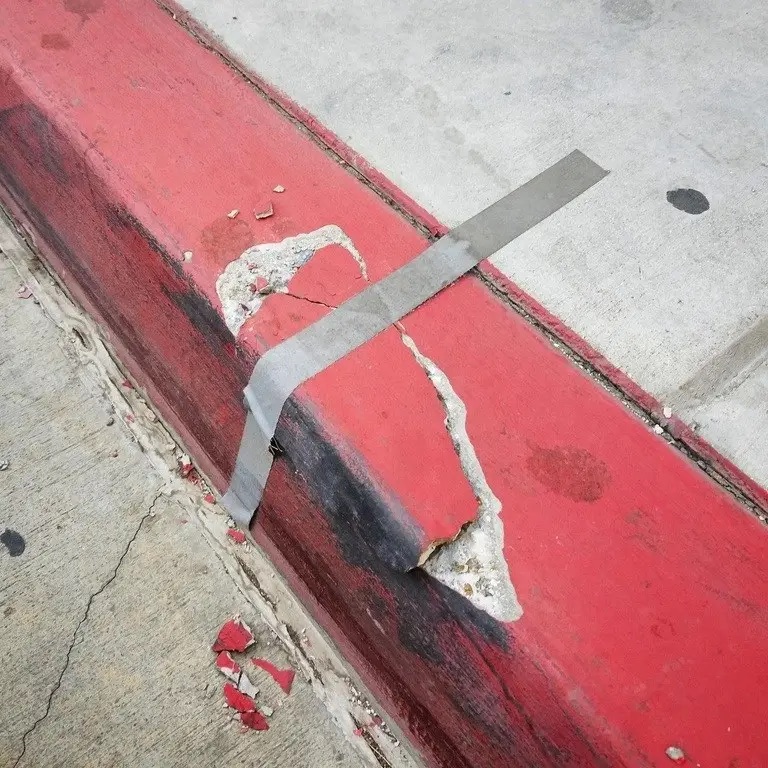
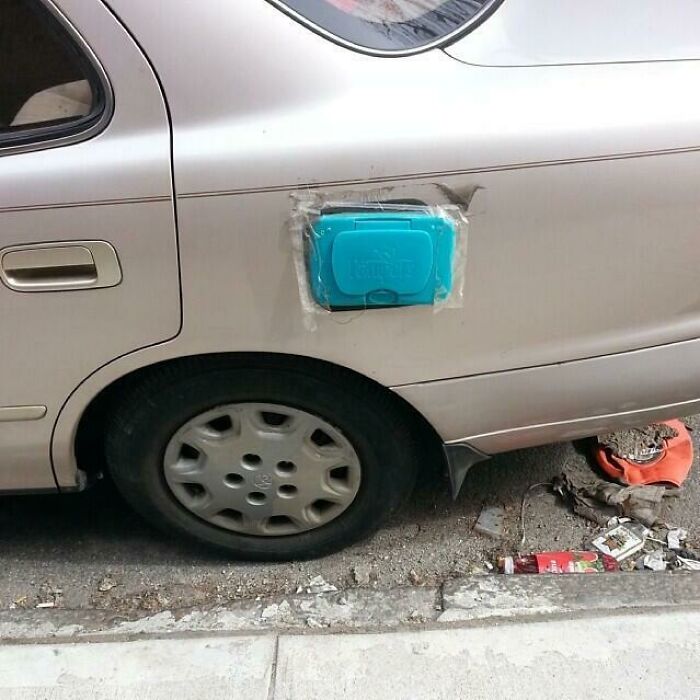
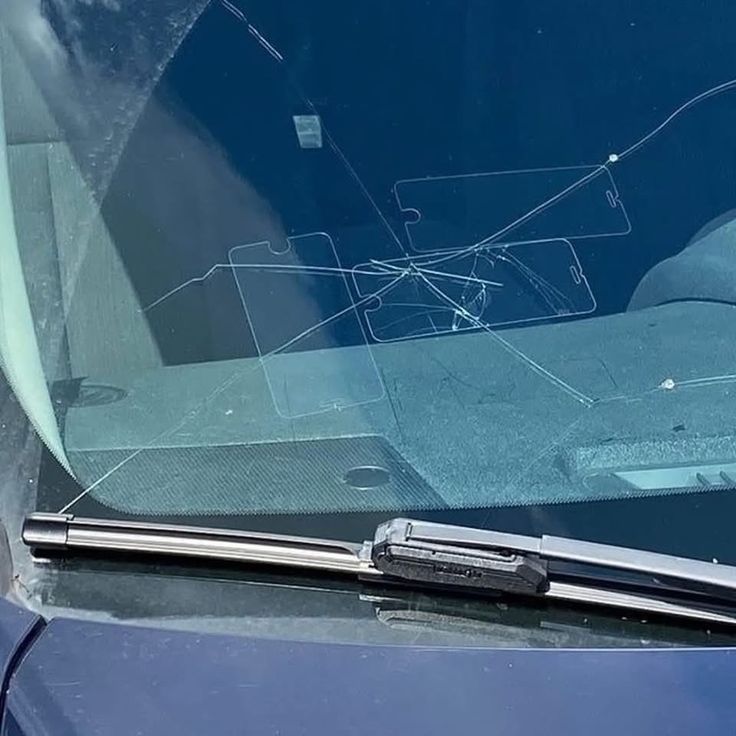
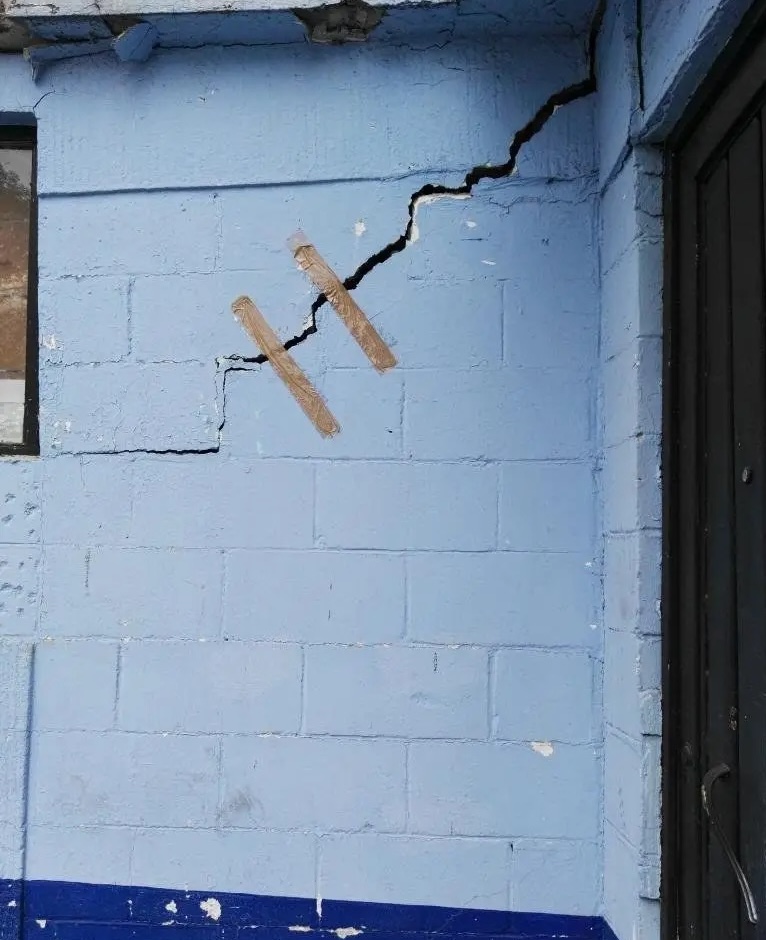
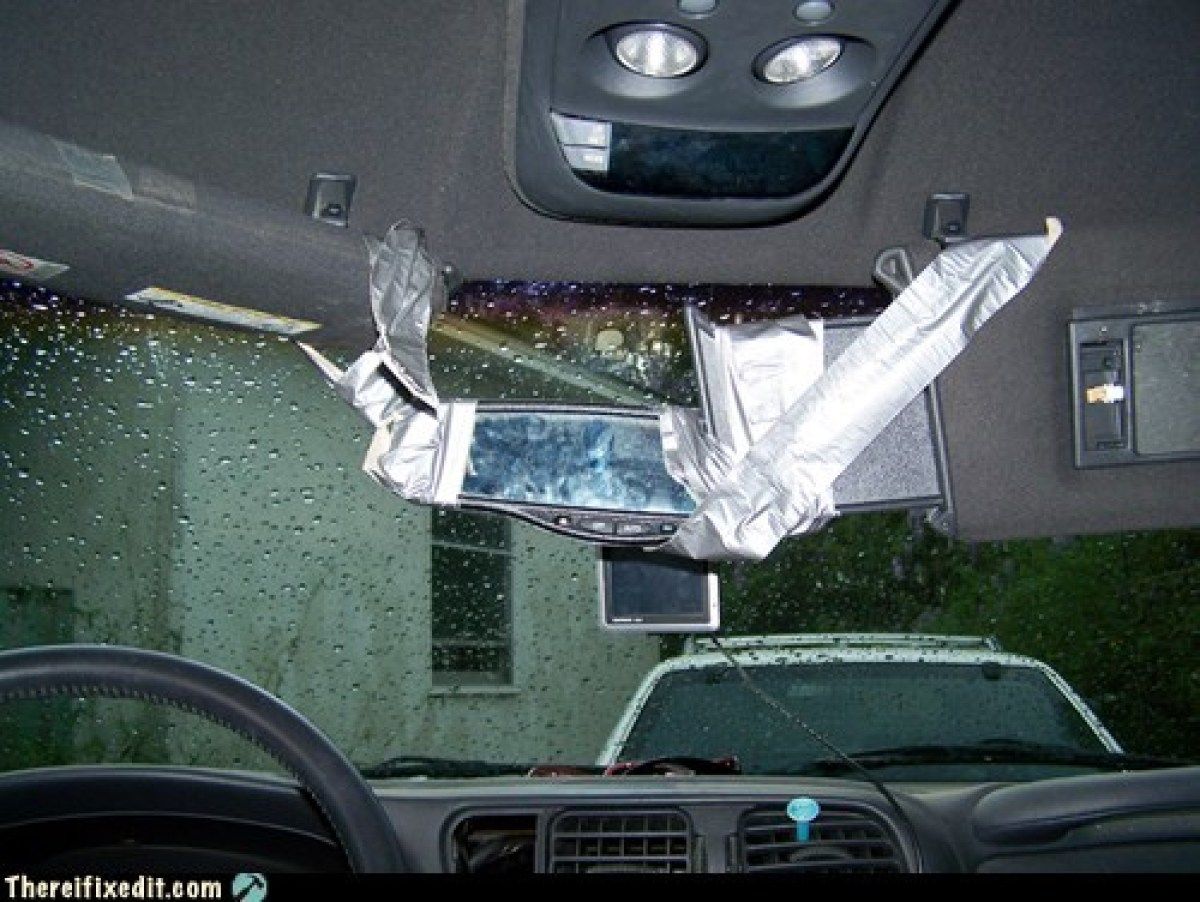
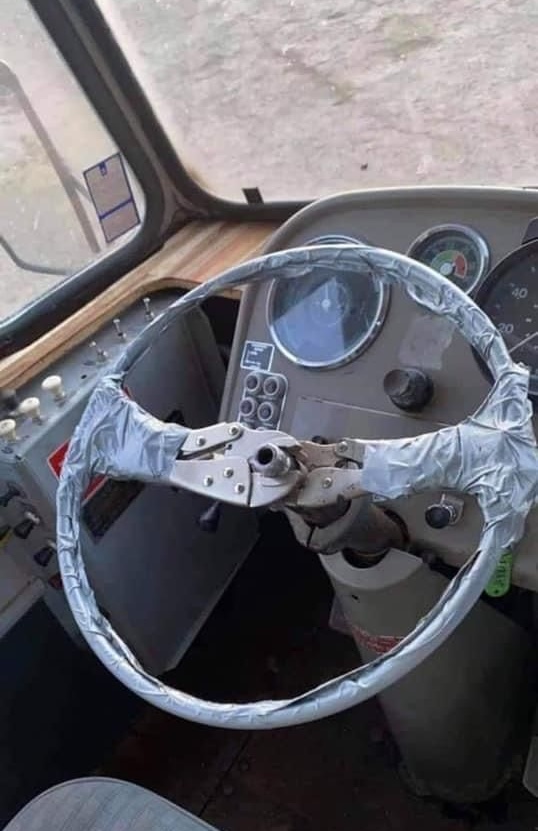
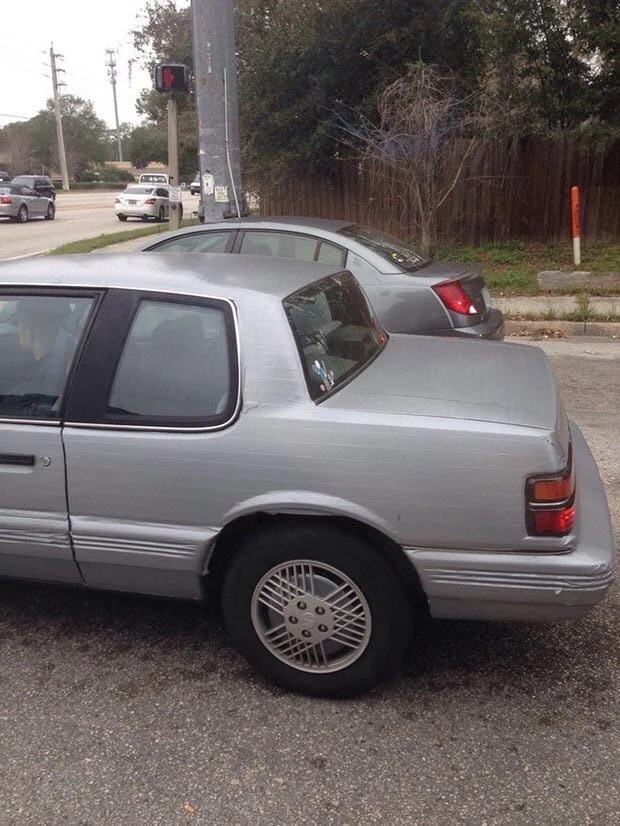
Evil Kintsugi
plays on the Japanese art of kintsugi, where broken pottery is
mended with gold to highlight the beauty of damage. In its evil
version, the breaks are clumsily repaired, instead of gold, tape is
applied, as a result cracks are highlighted rather than concealed.
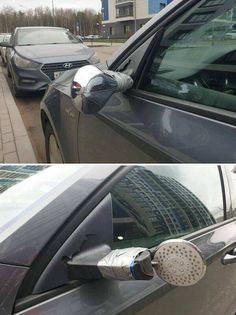
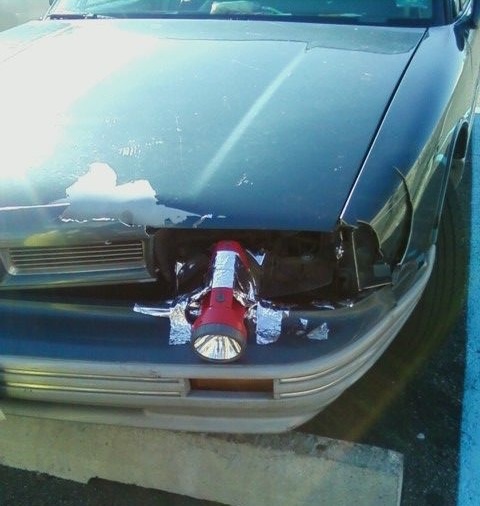
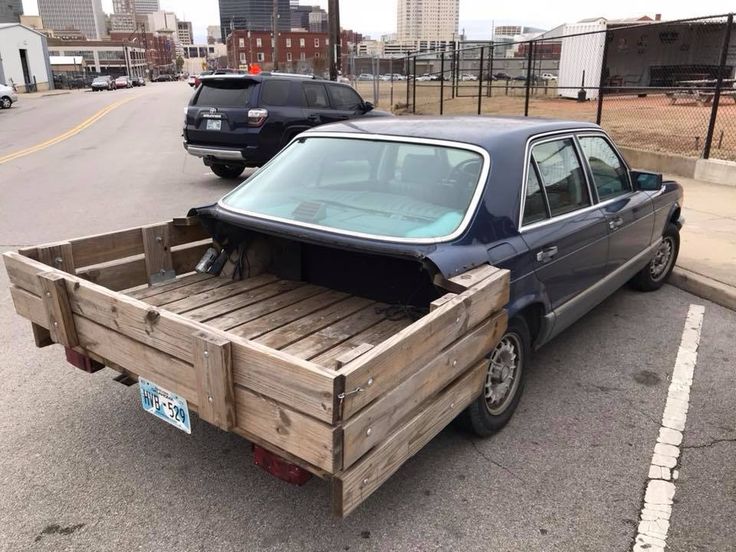
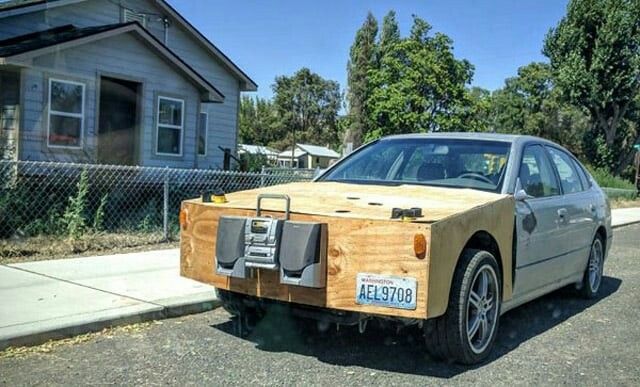
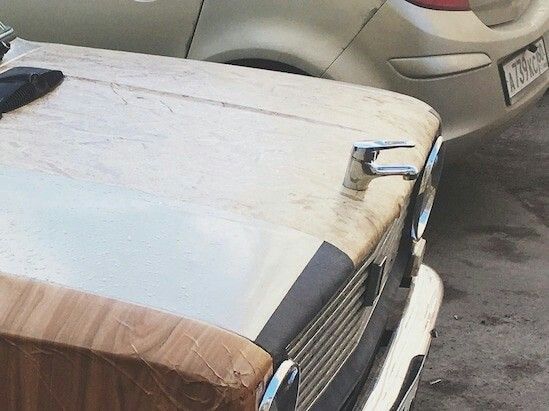
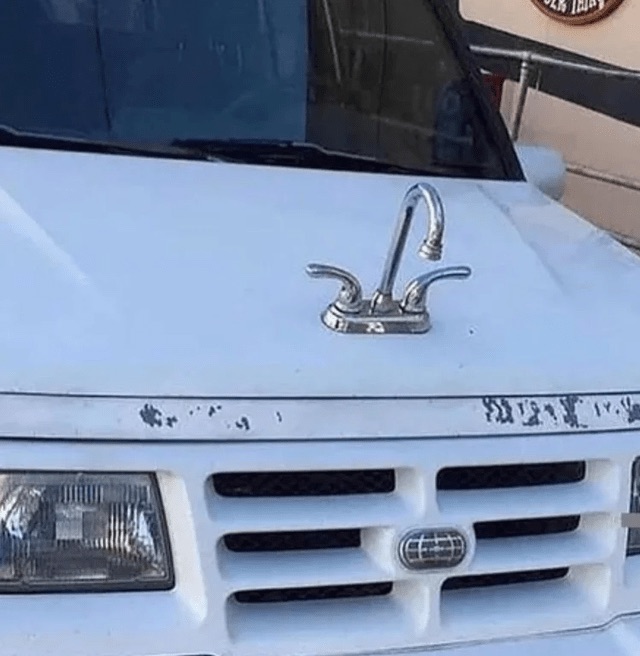
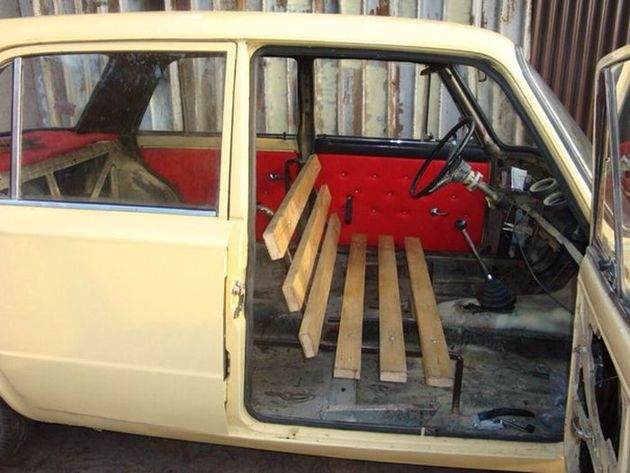
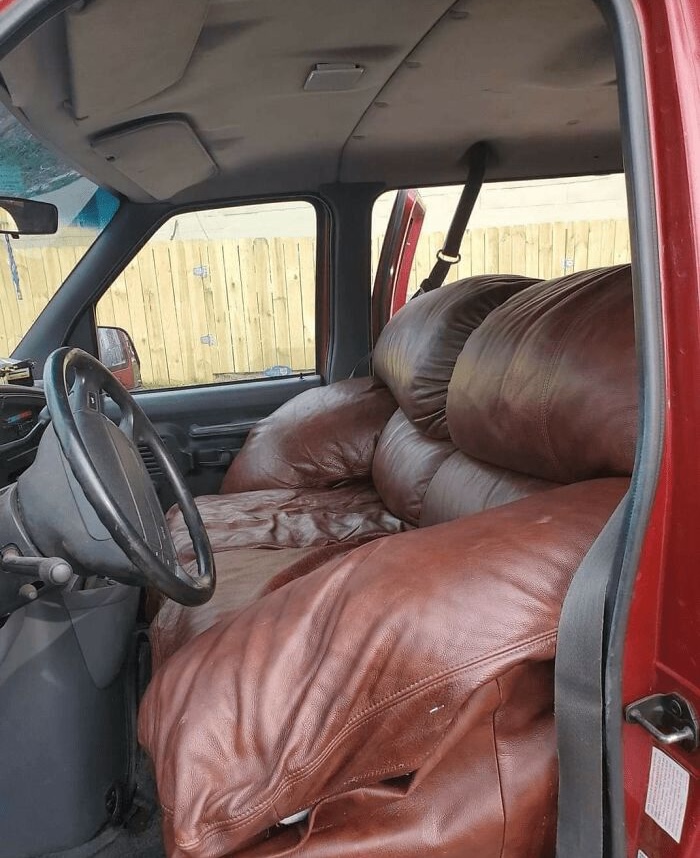
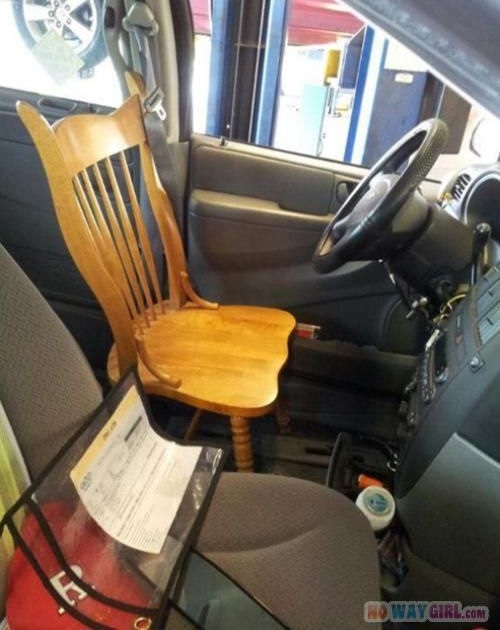
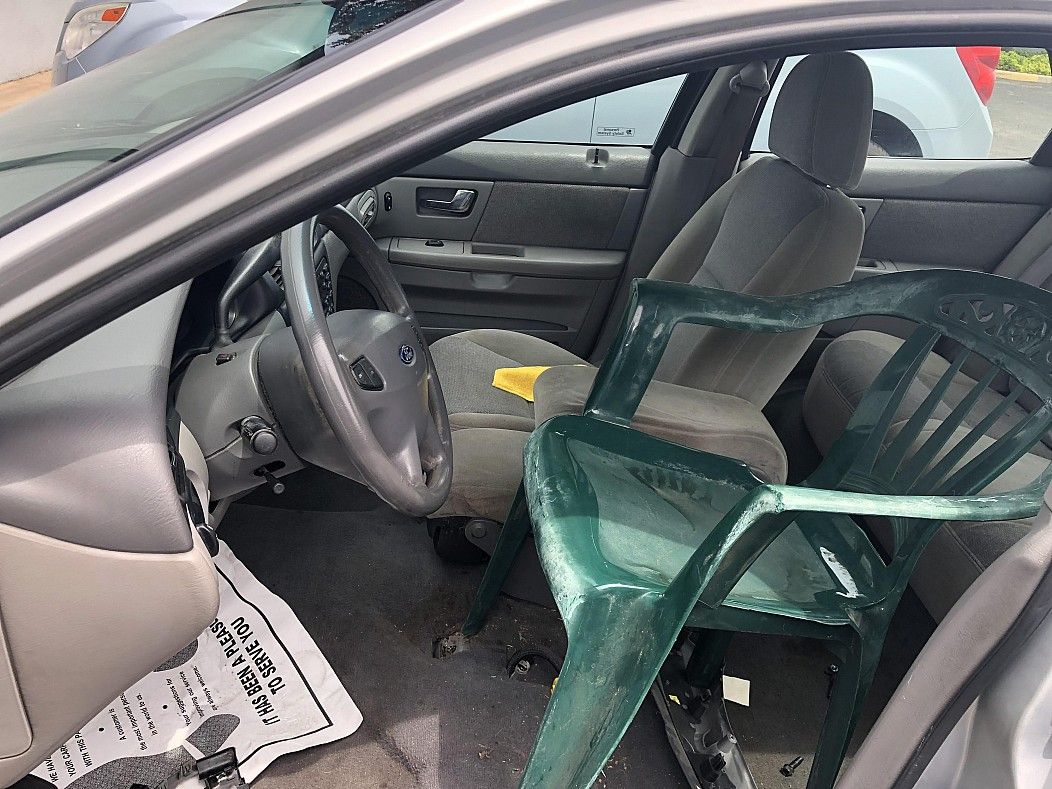
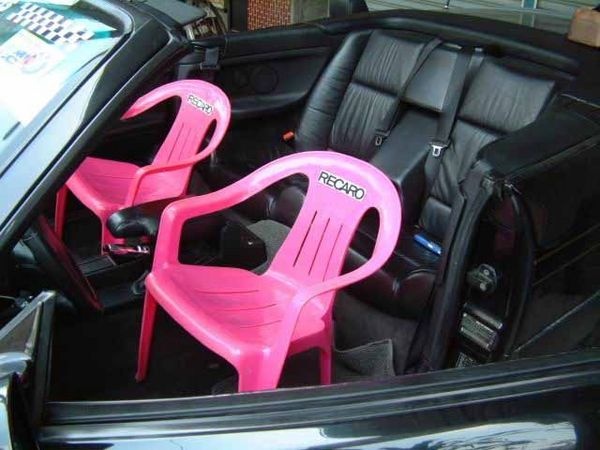
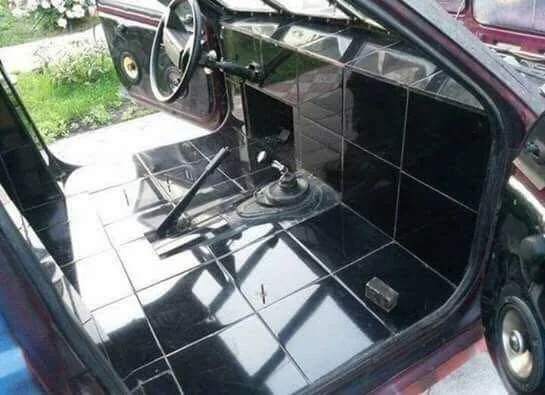
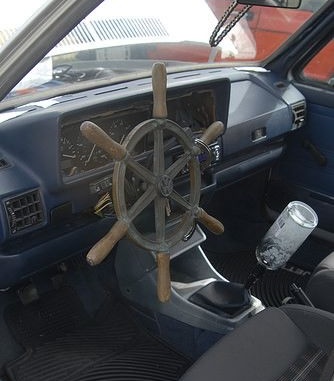
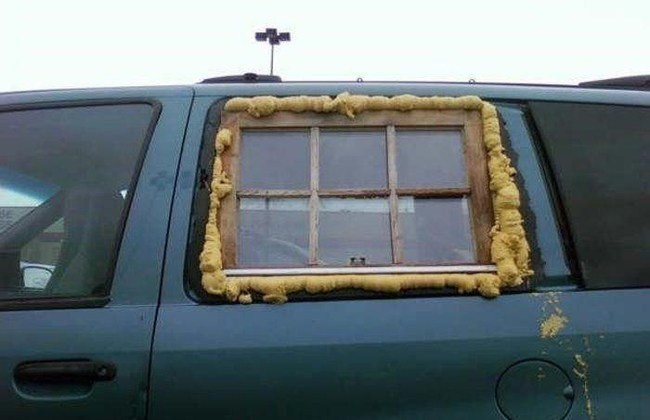
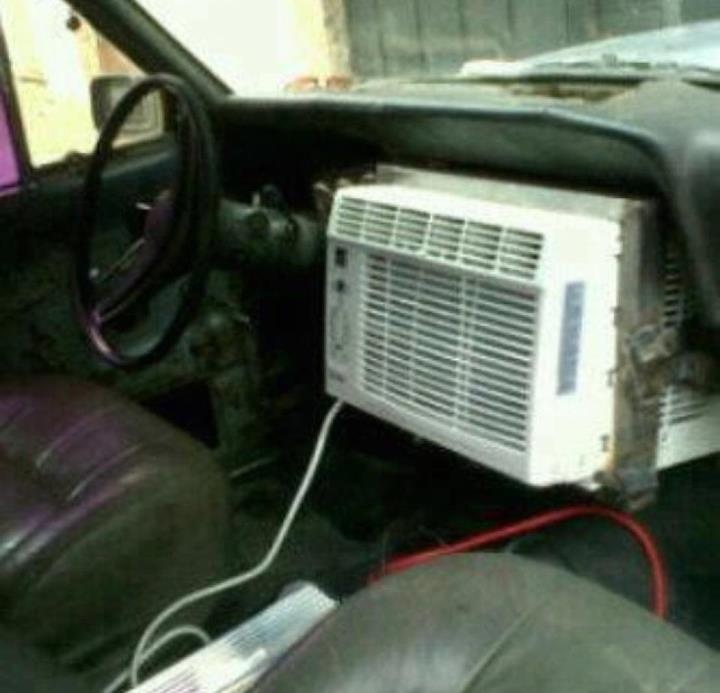
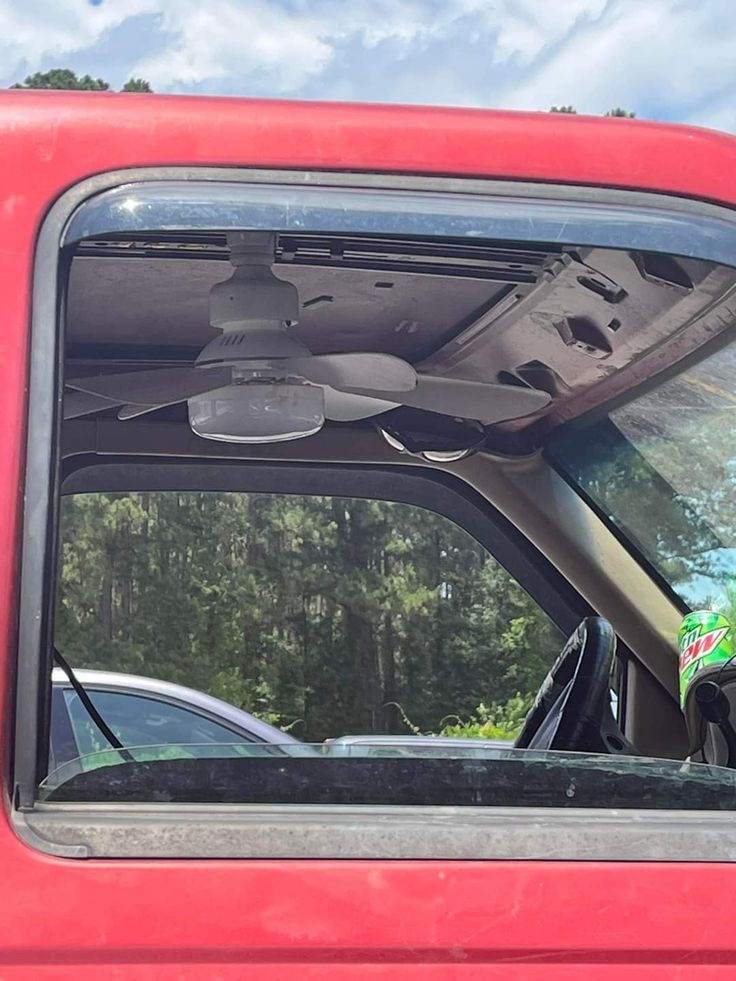
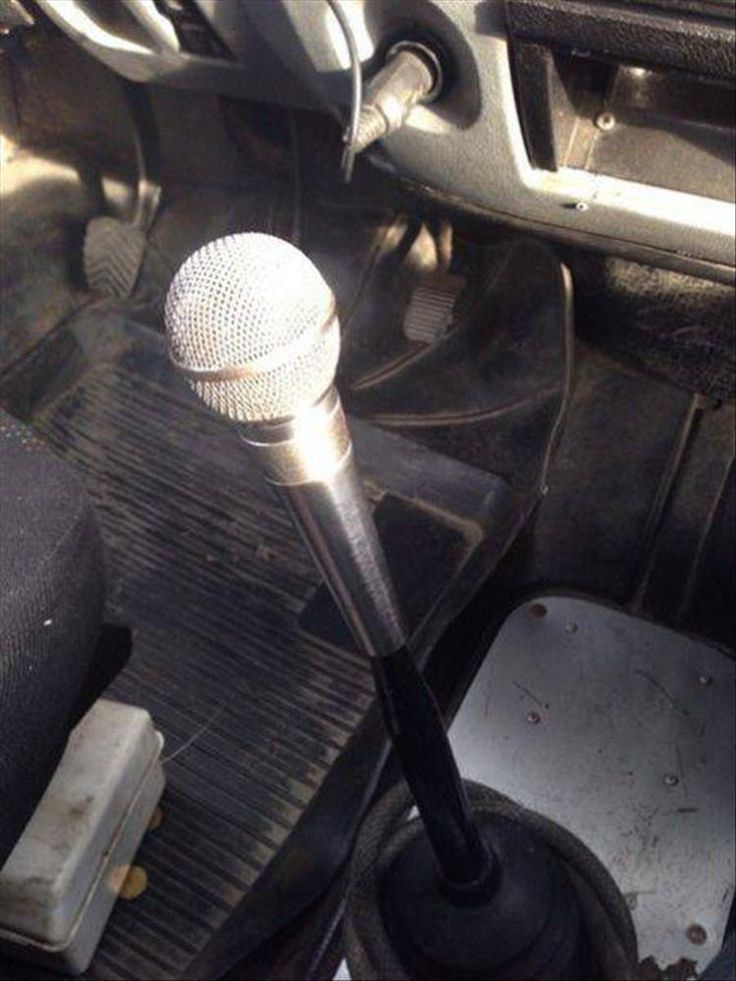
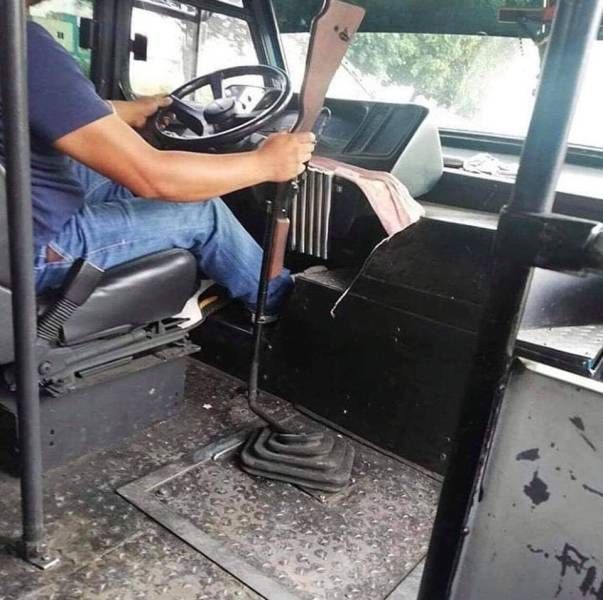
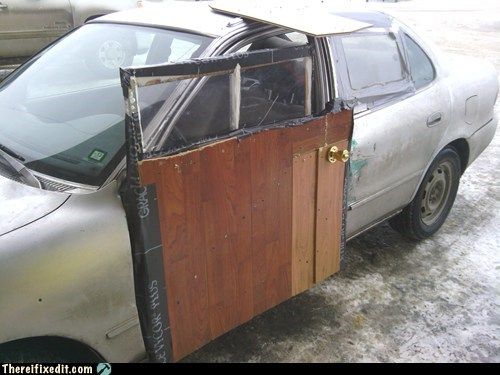
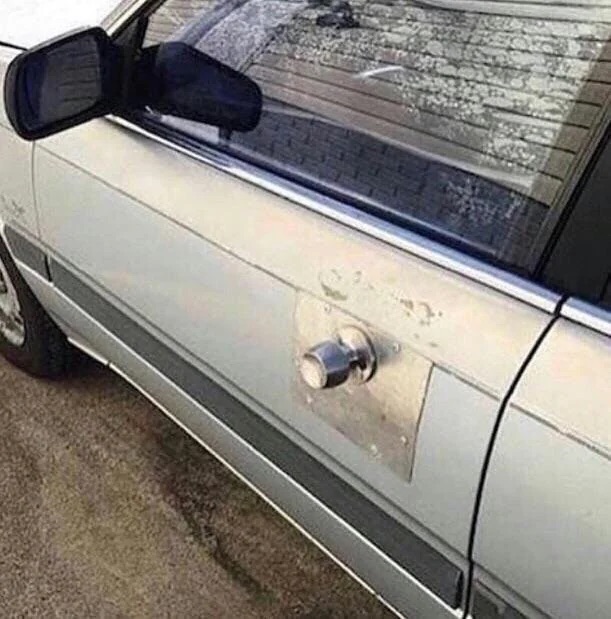
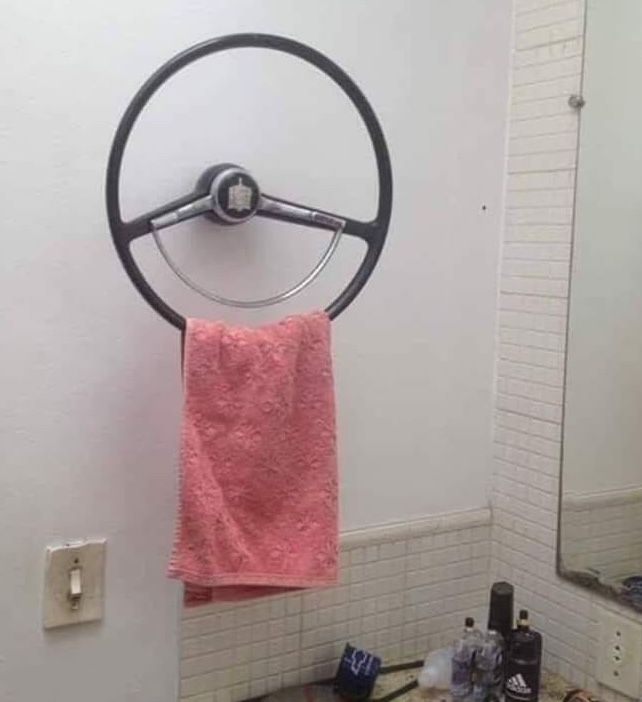
Auto Slop
combines automotive customisation with the language of low-quality
internet content. Plastic chairs replace car seats, and boat wheels
replace steering wheels, producing modifications whose apparent
ingenuity is undermined by impracticality, incongruity, or
questionable functionality.
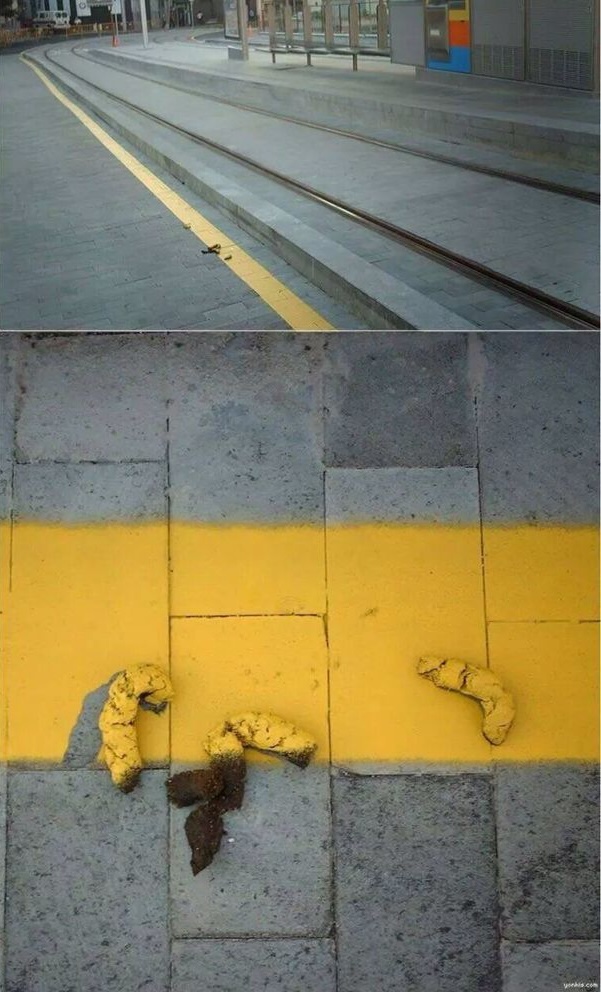
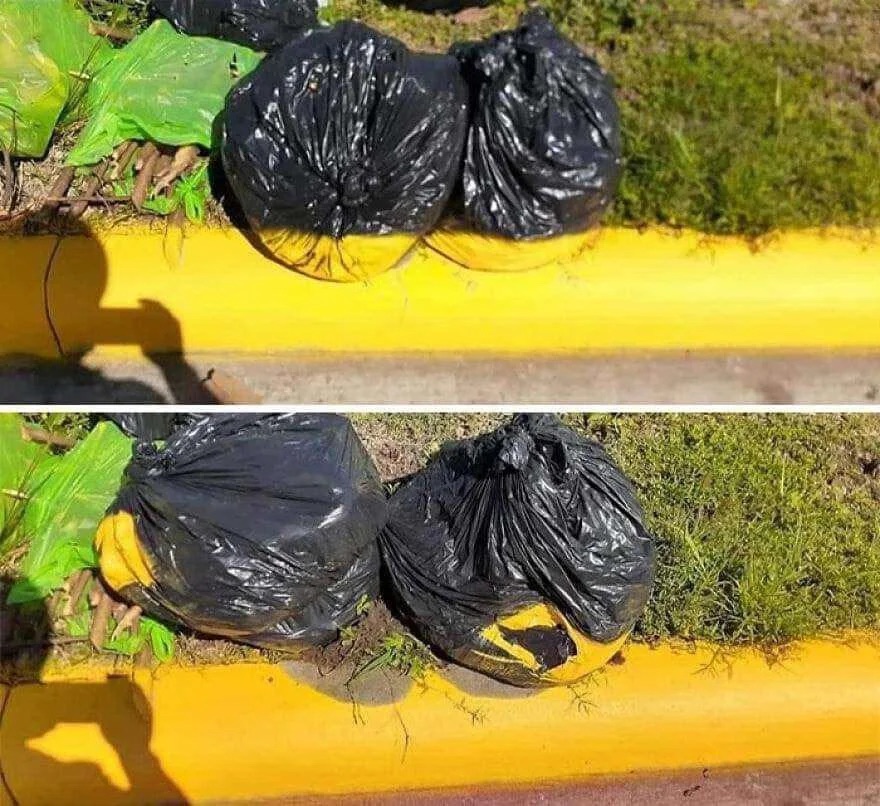
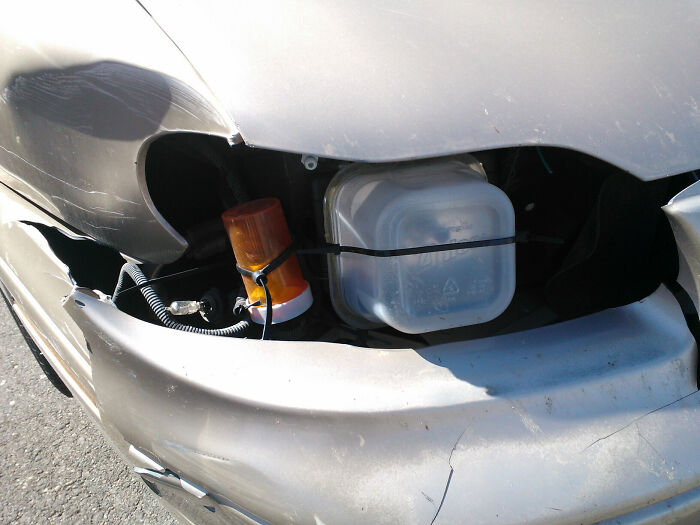
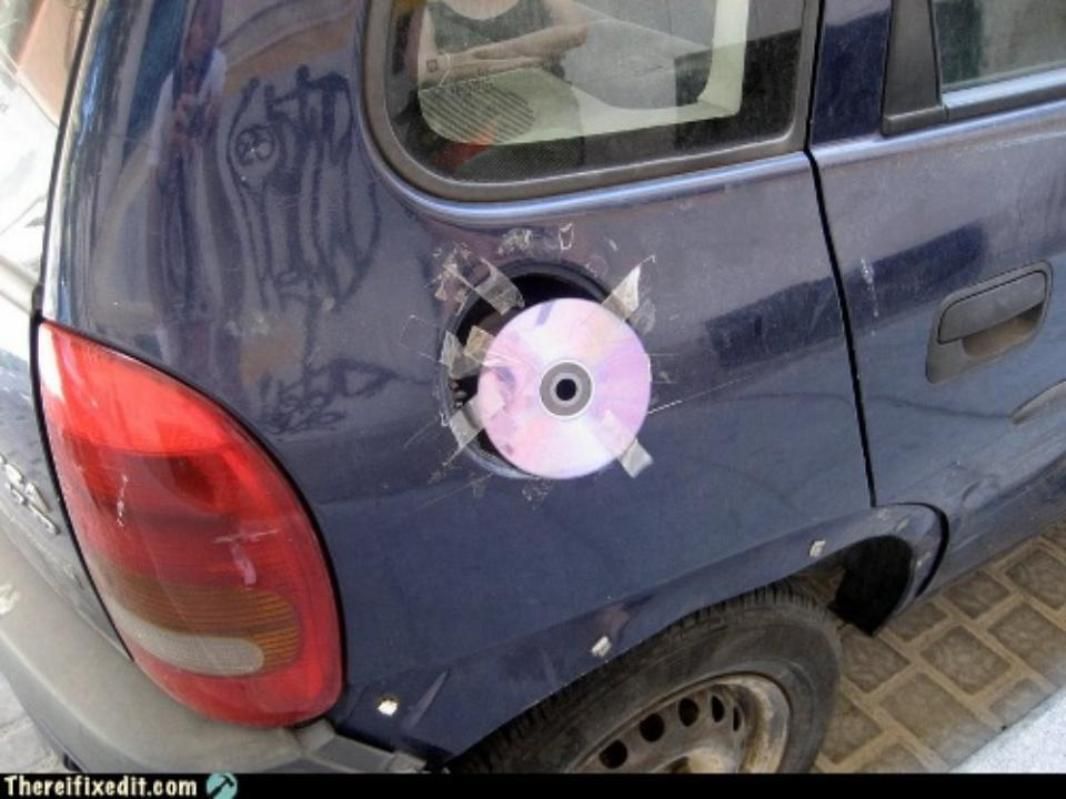
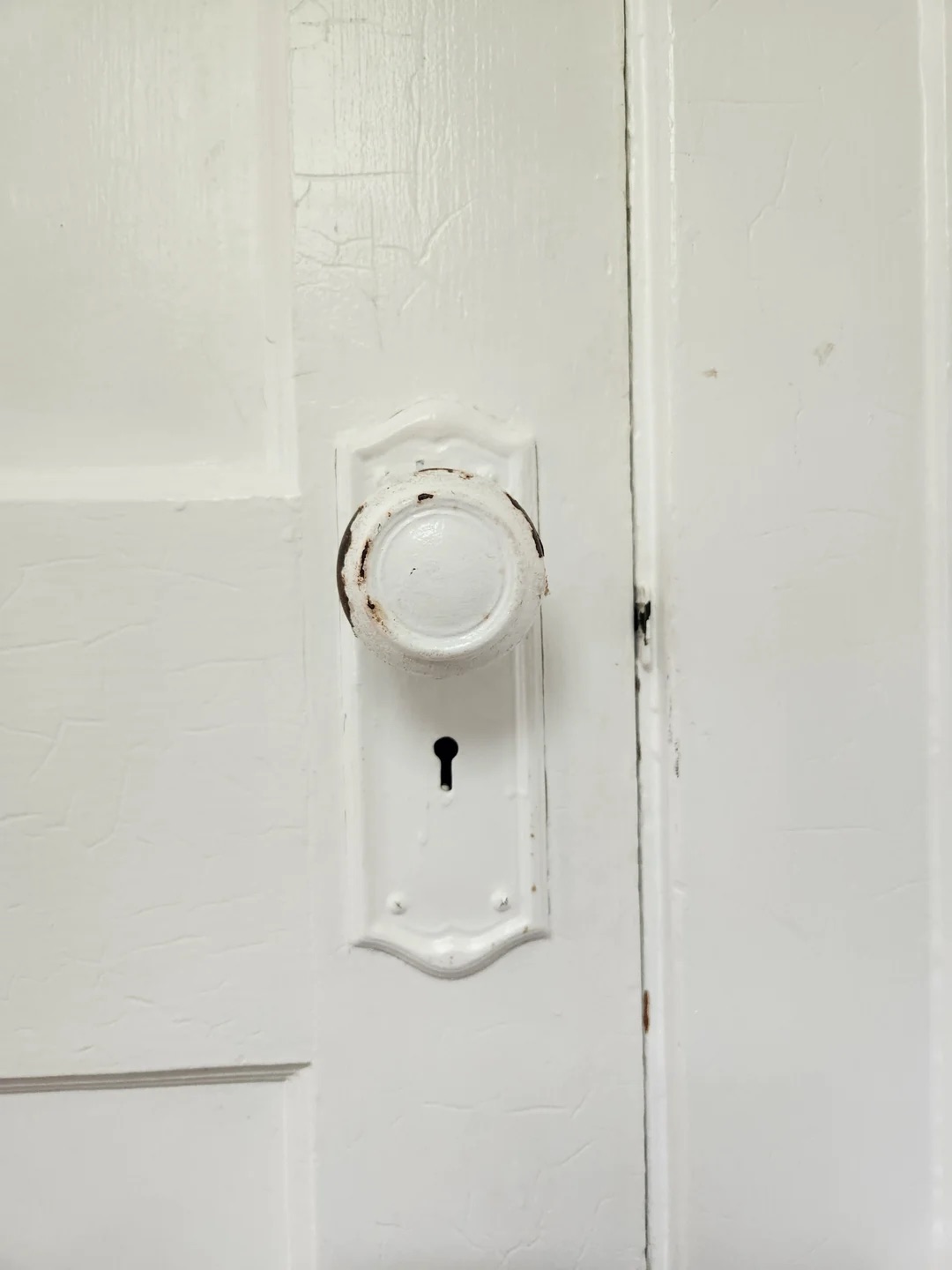
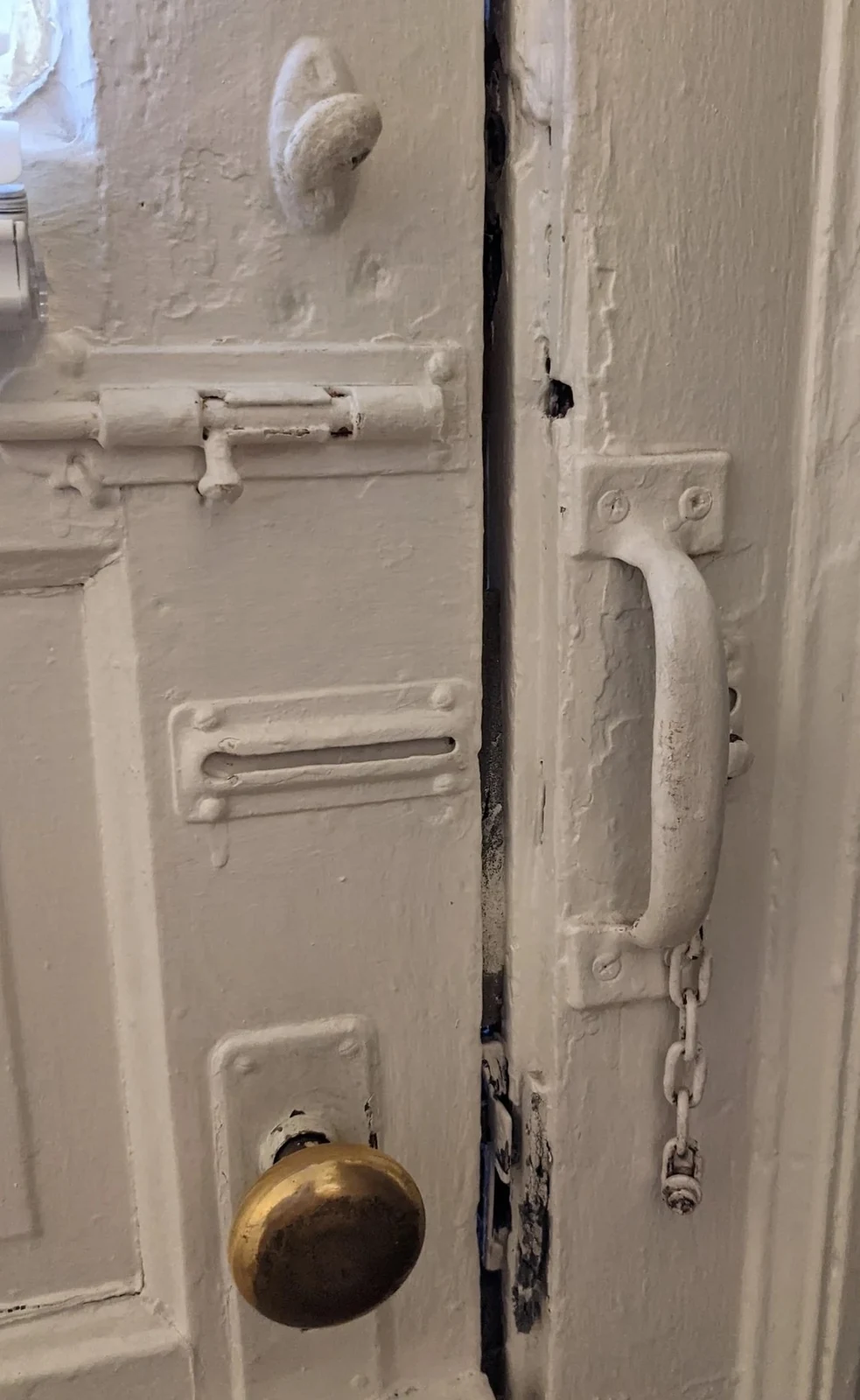
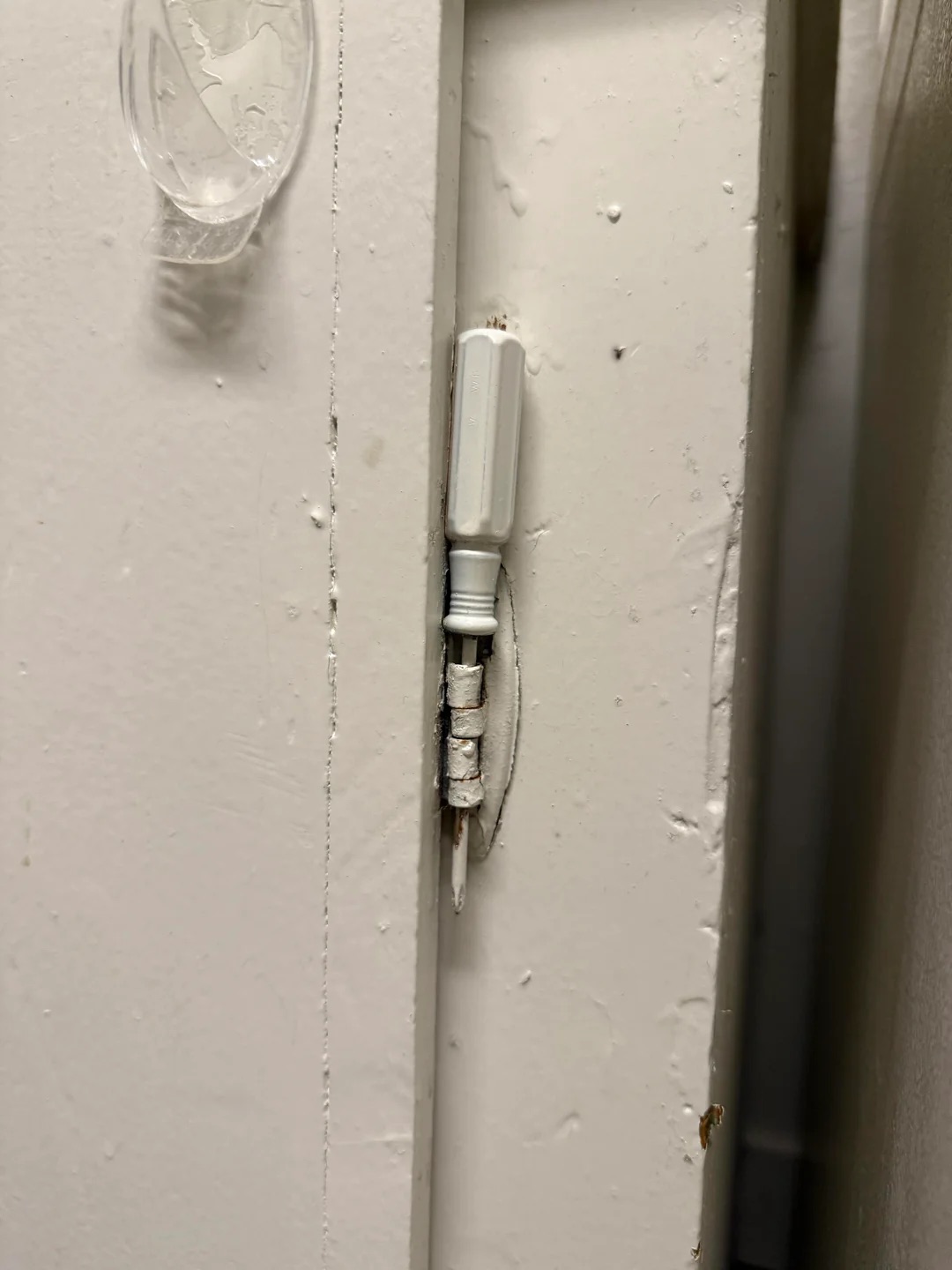
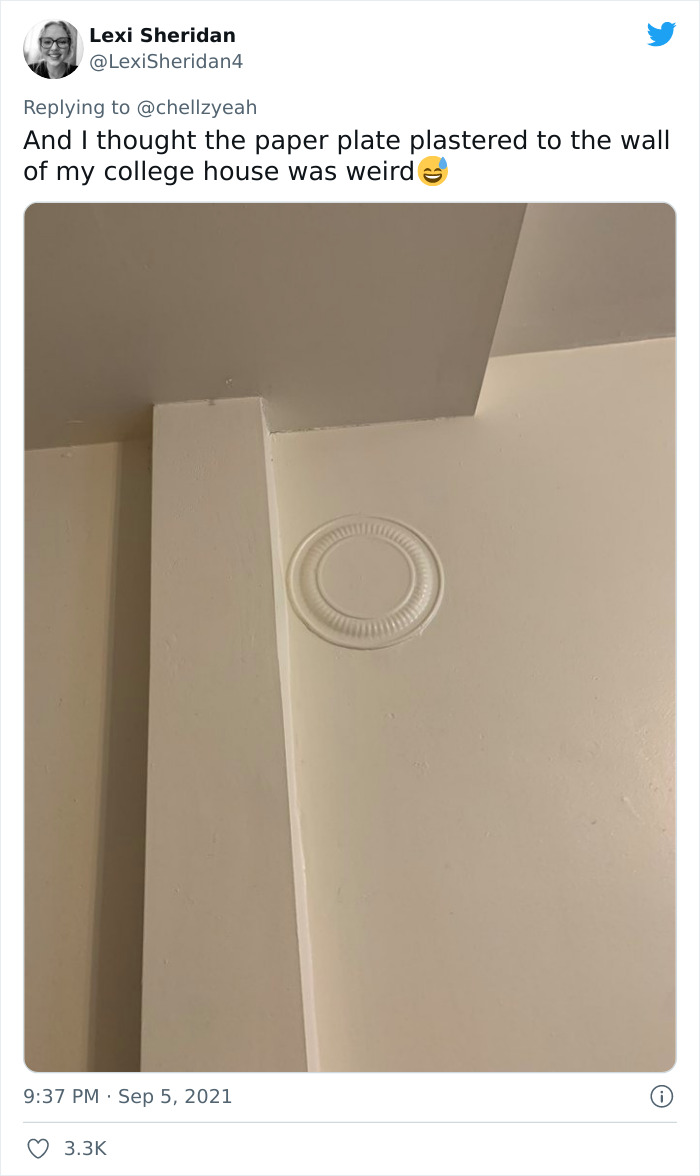
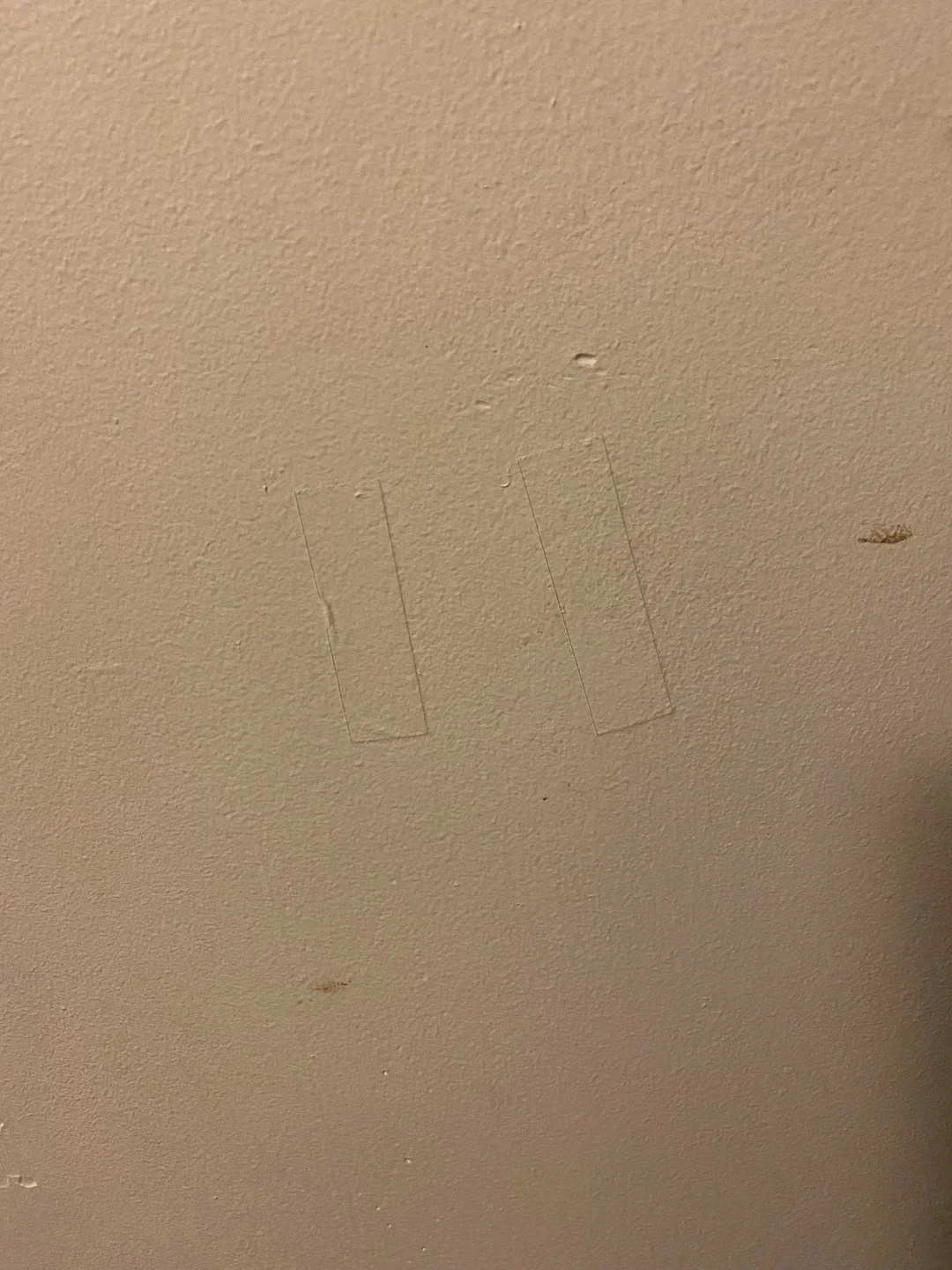
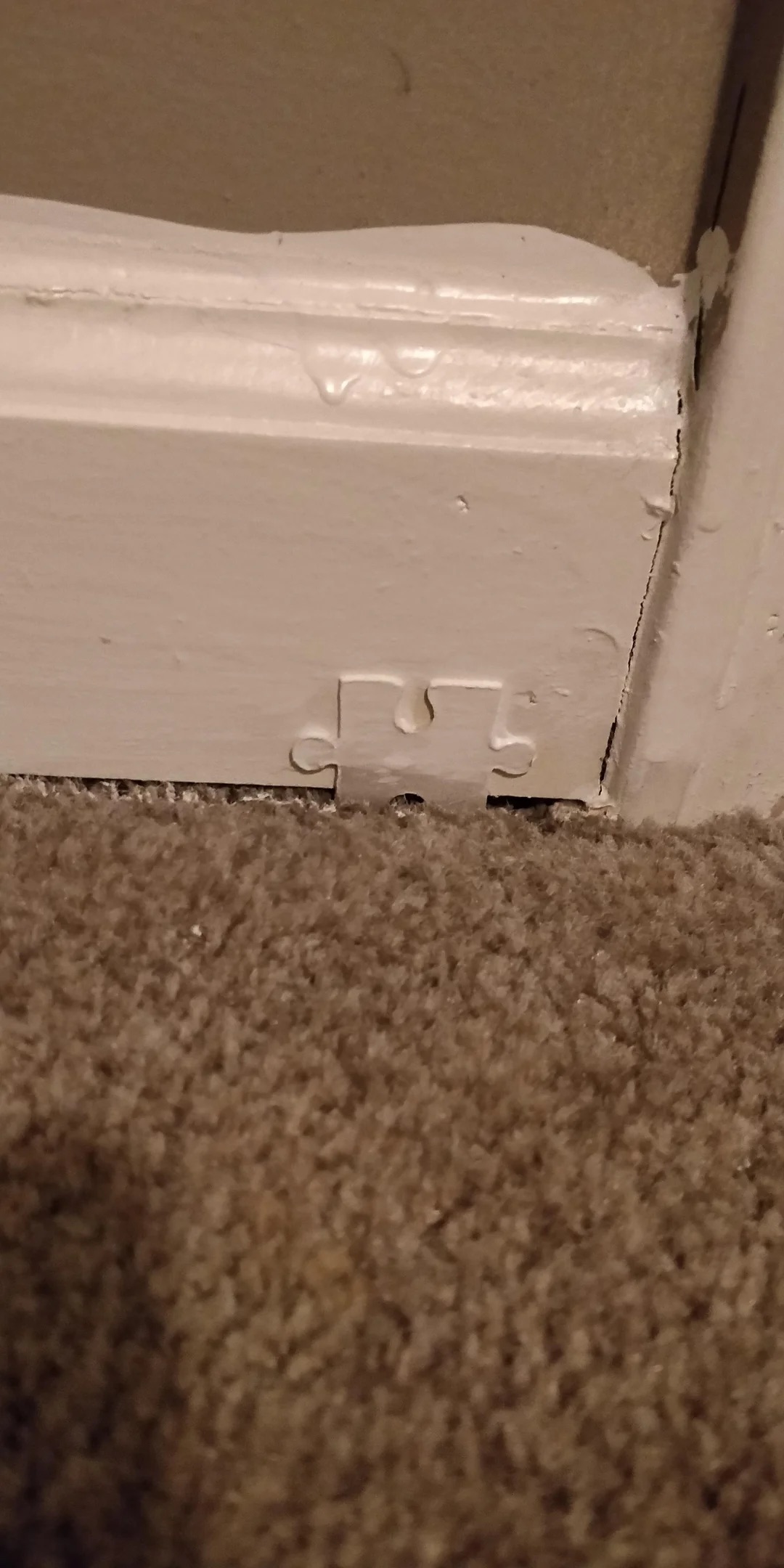
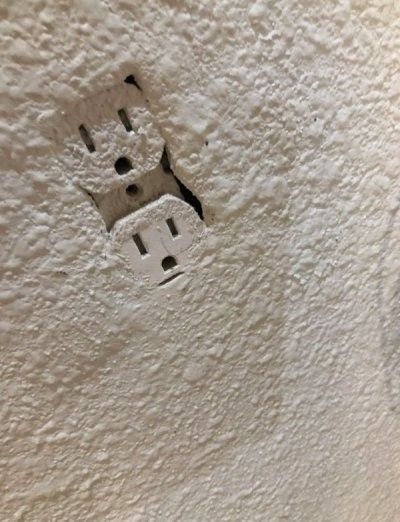
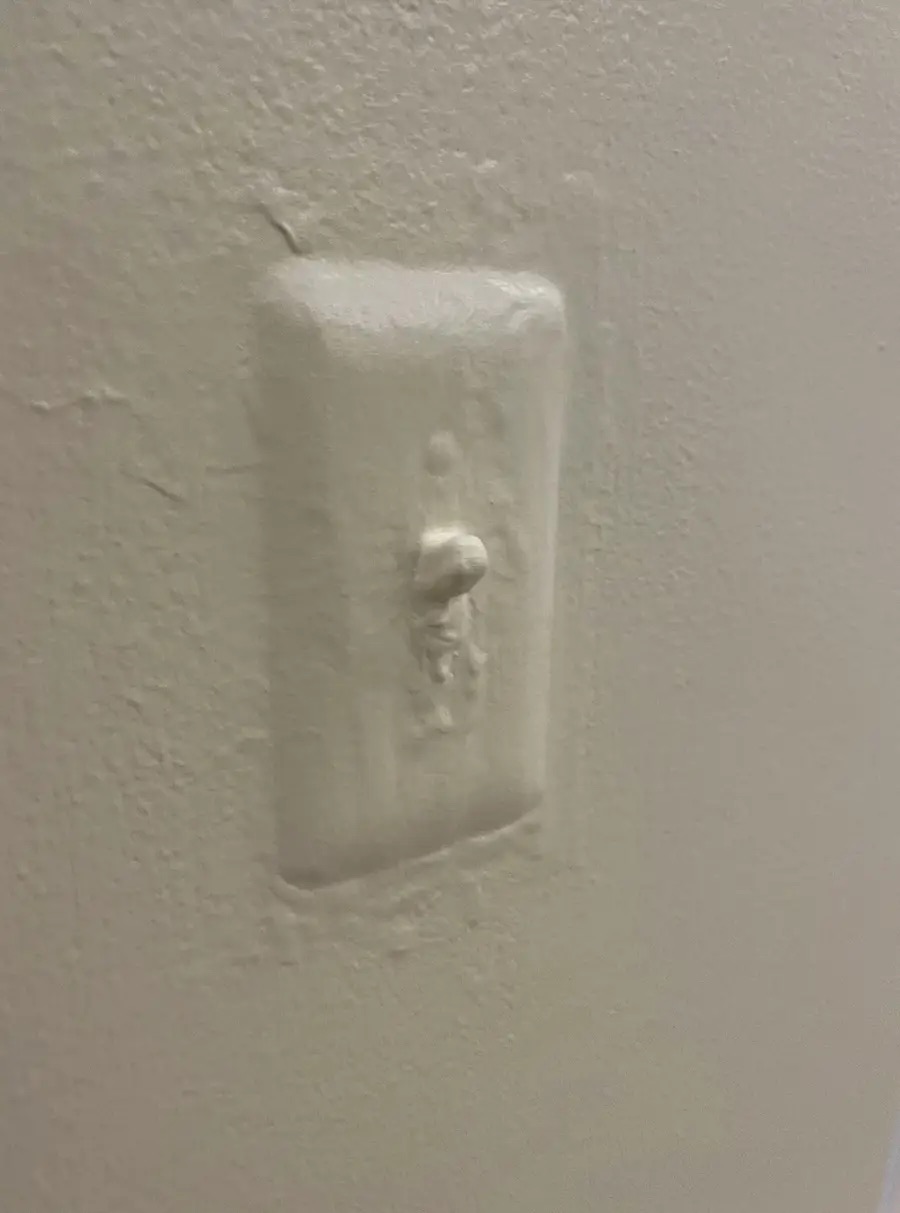
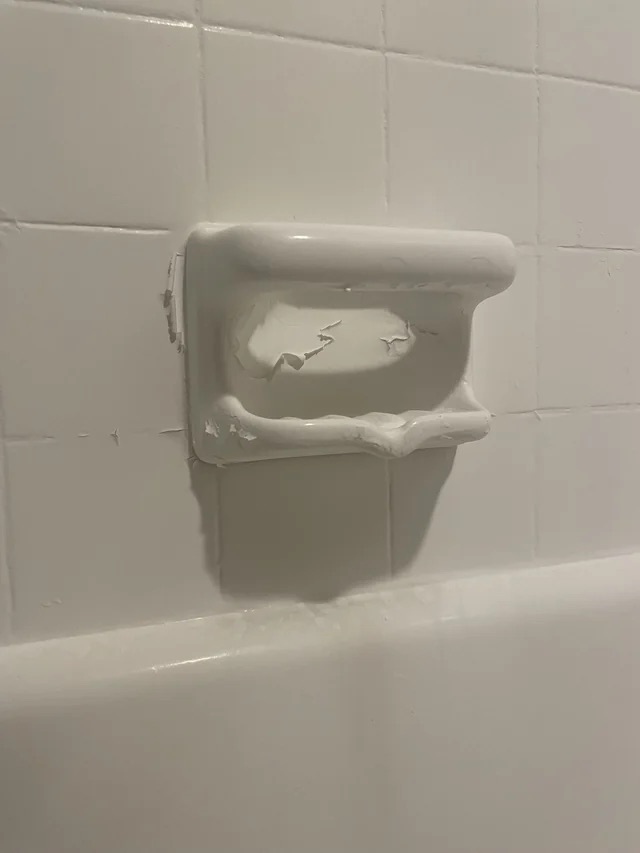
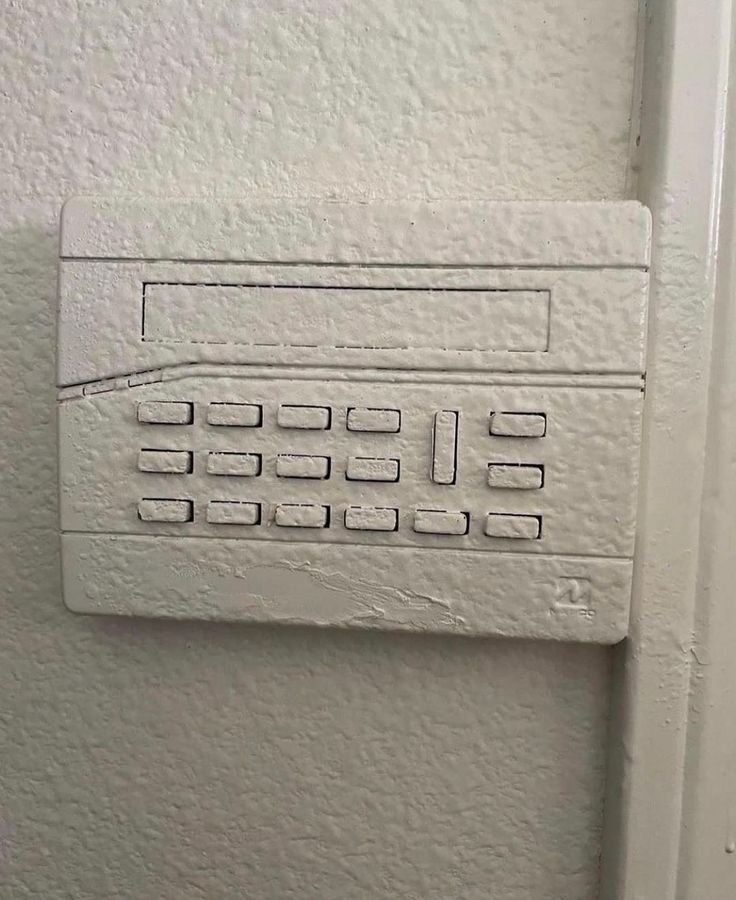
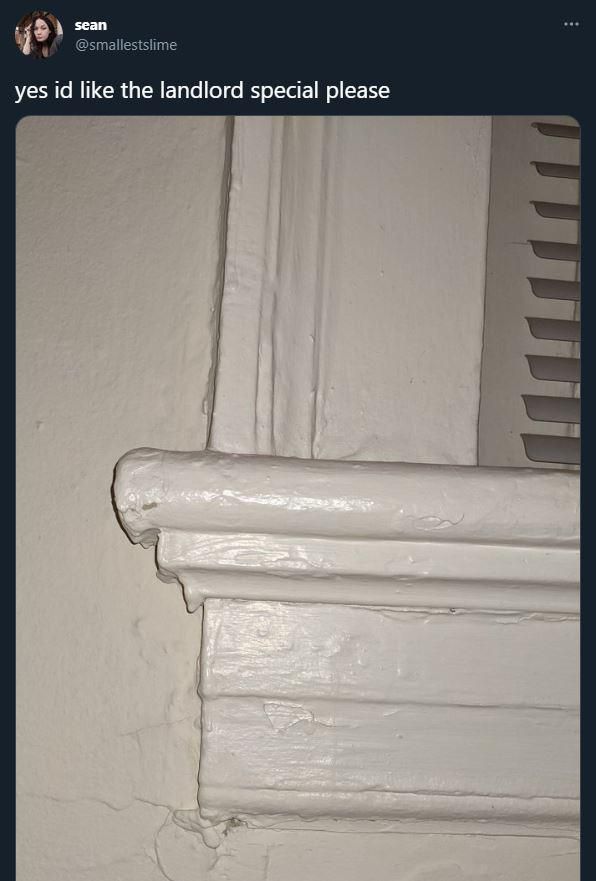
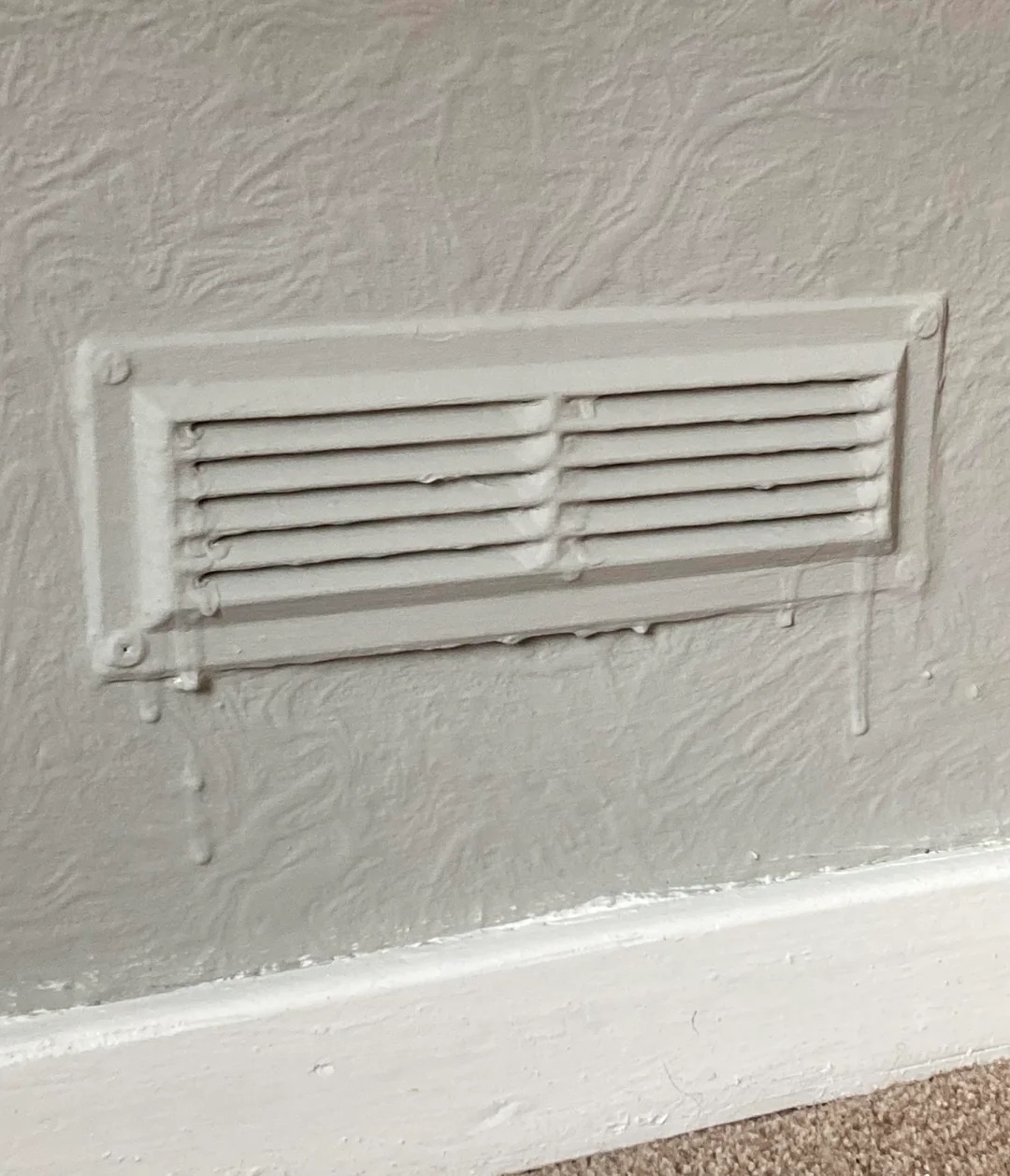
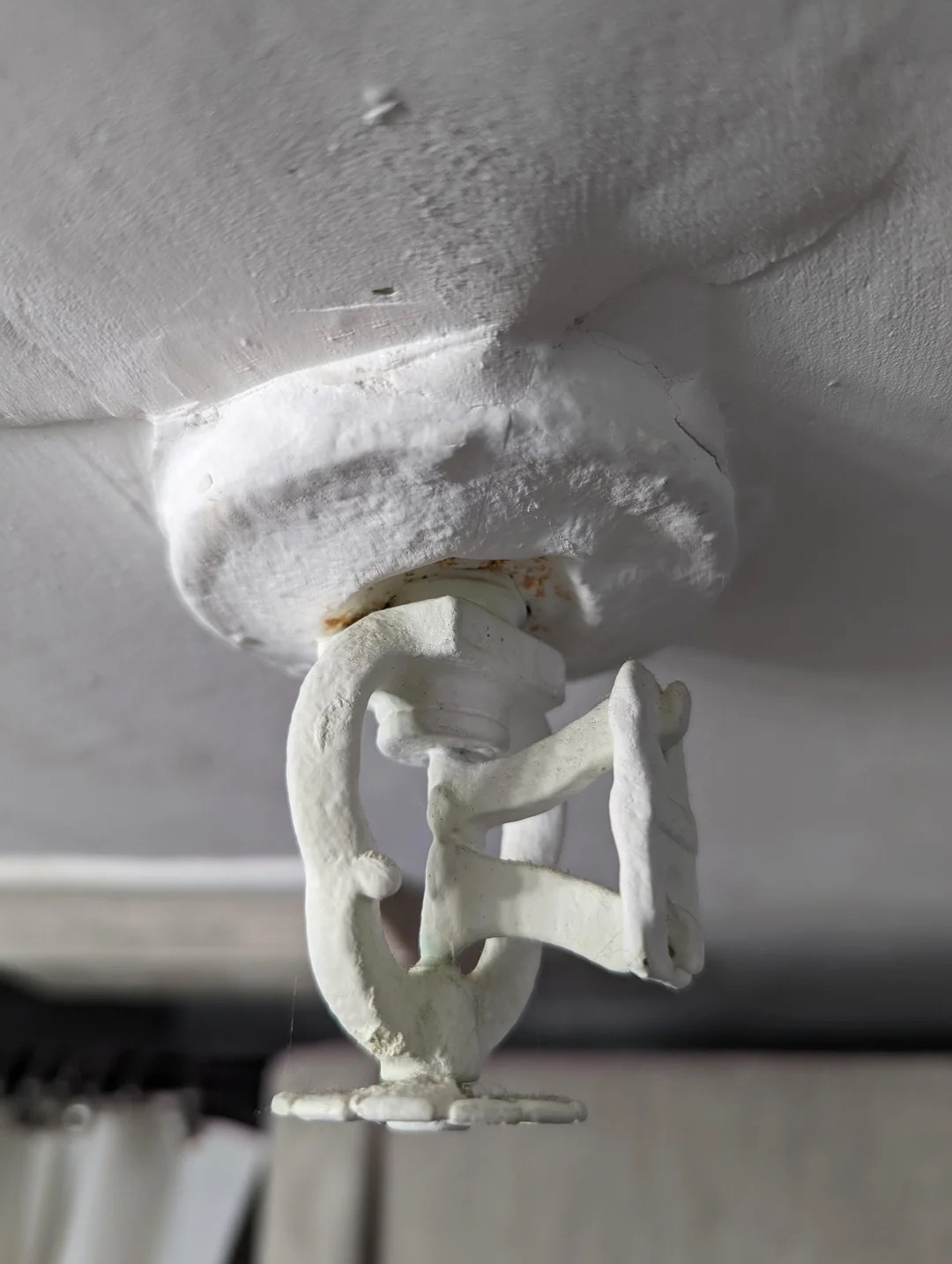
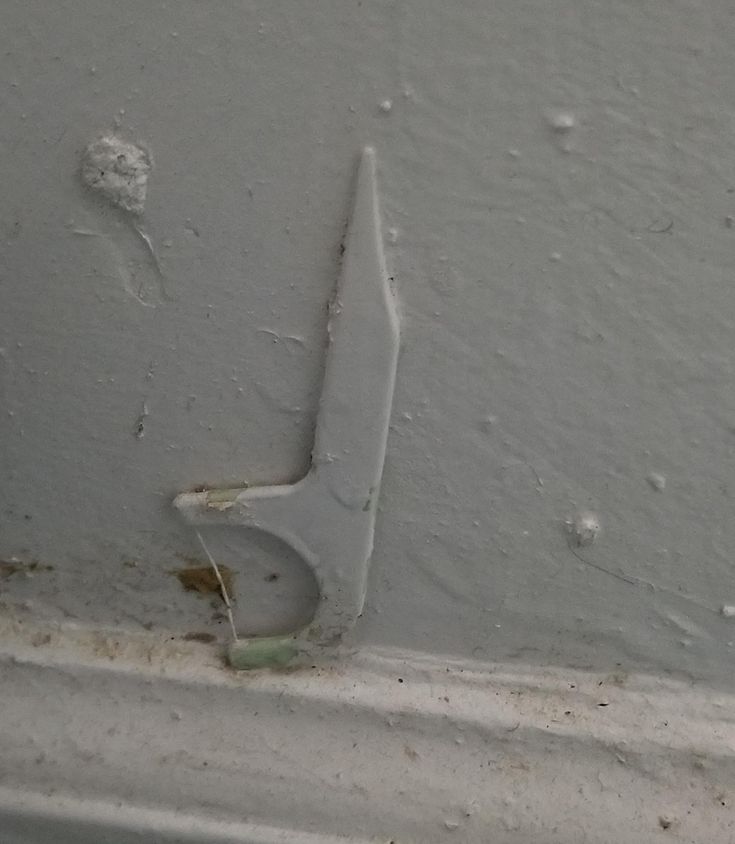
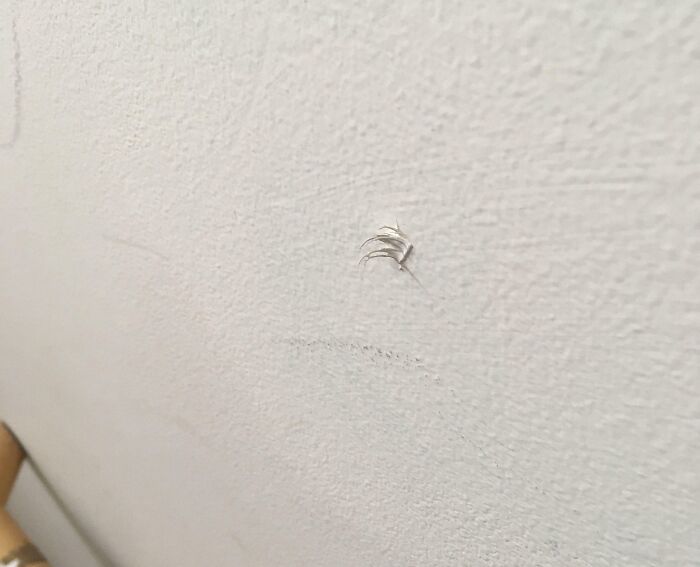
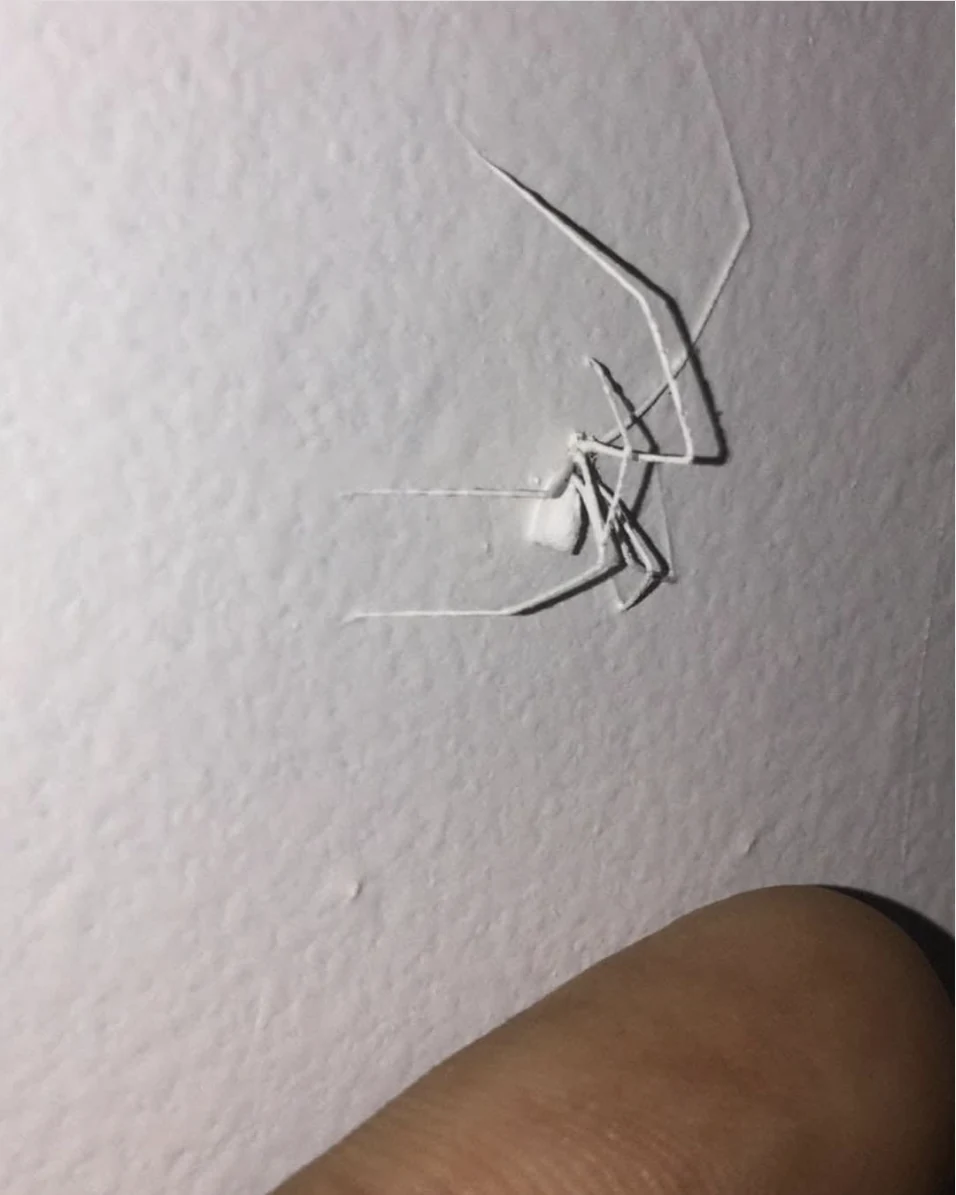
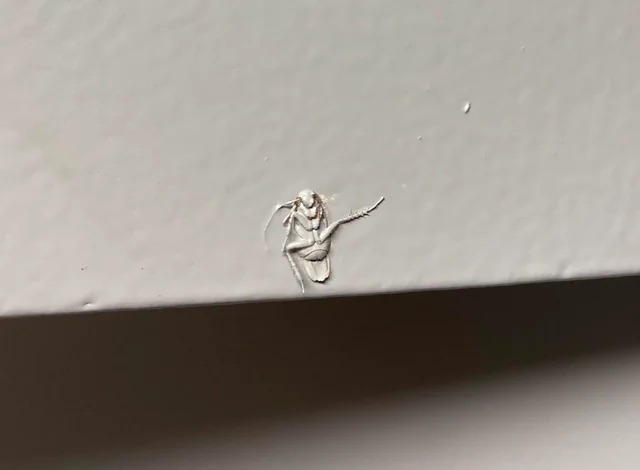
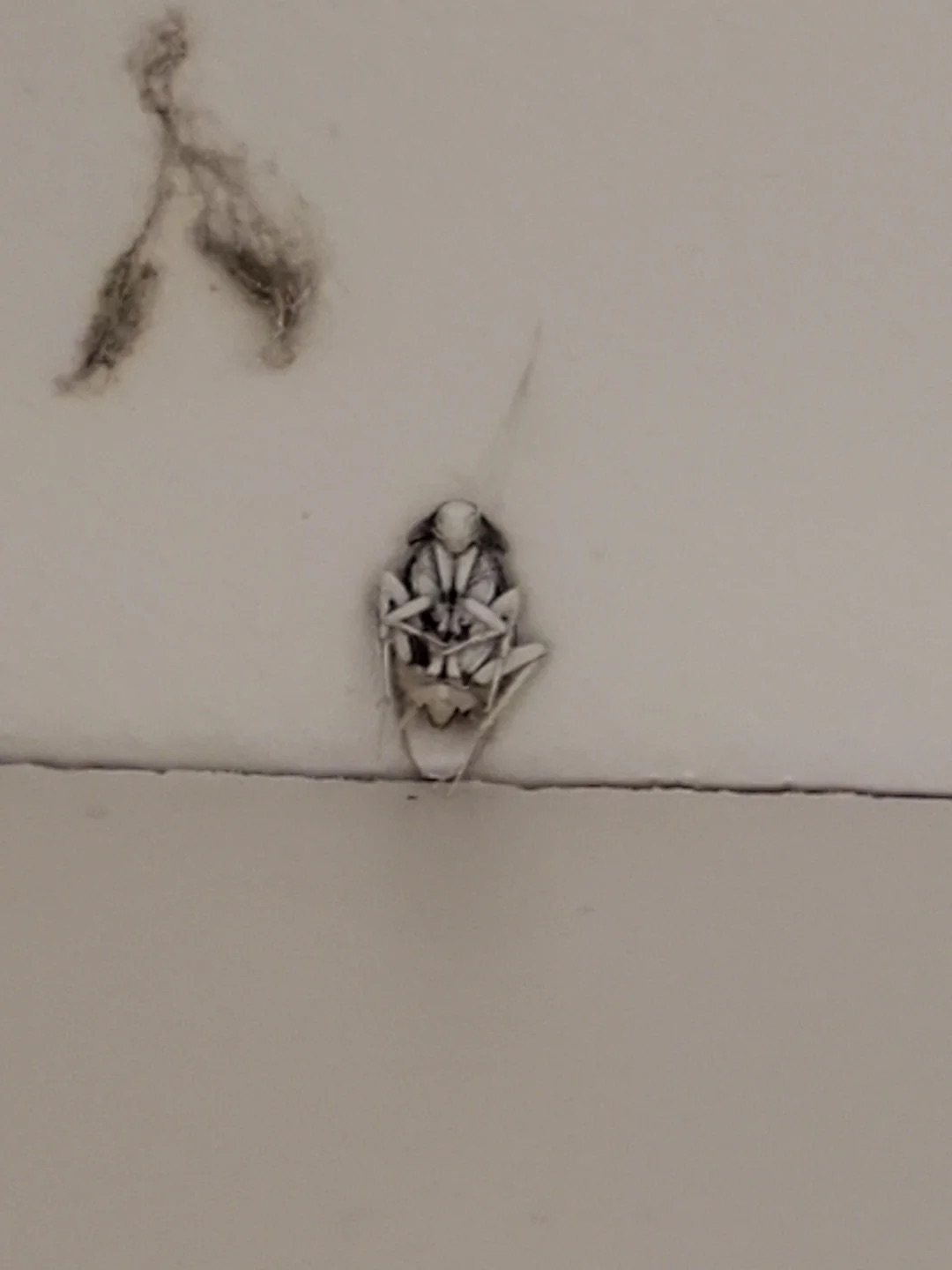
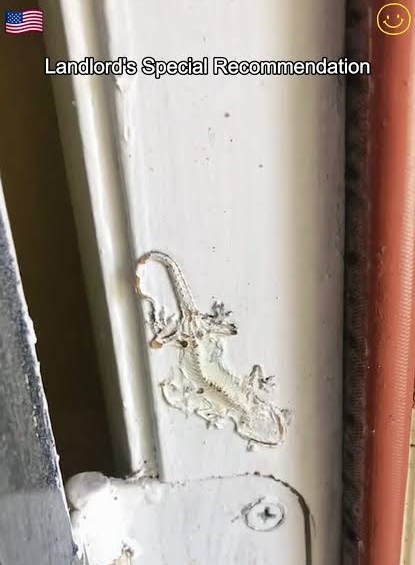
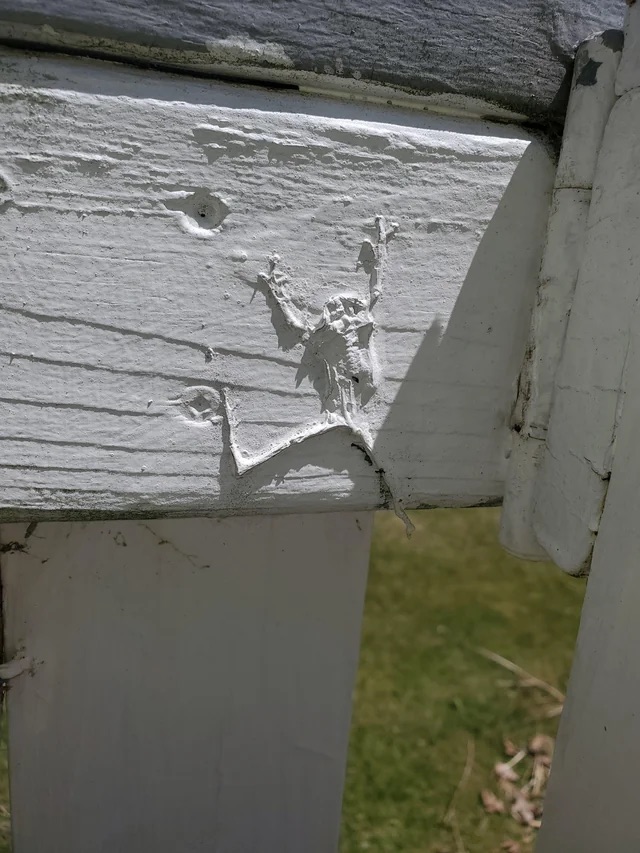
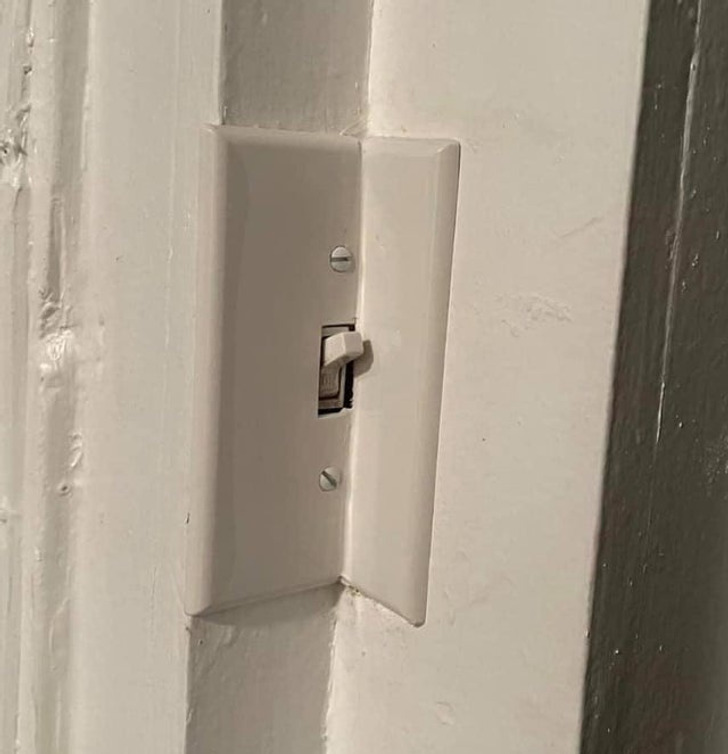
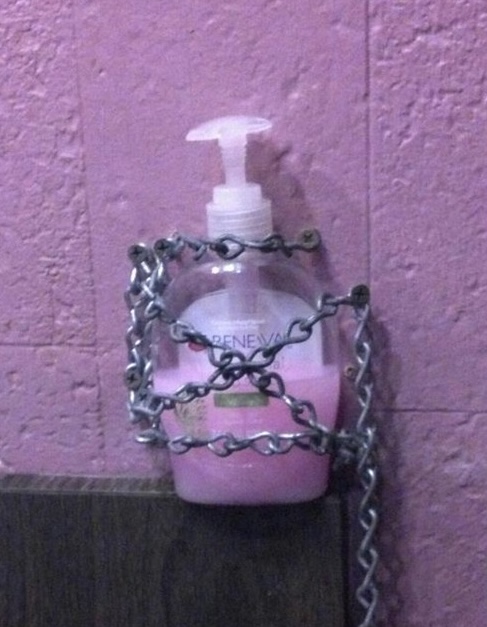
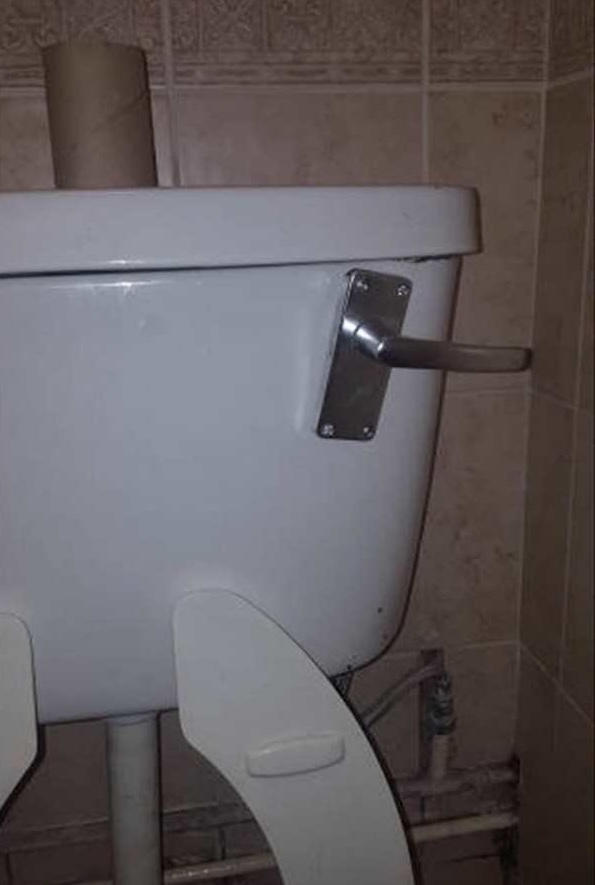
Landlord Special
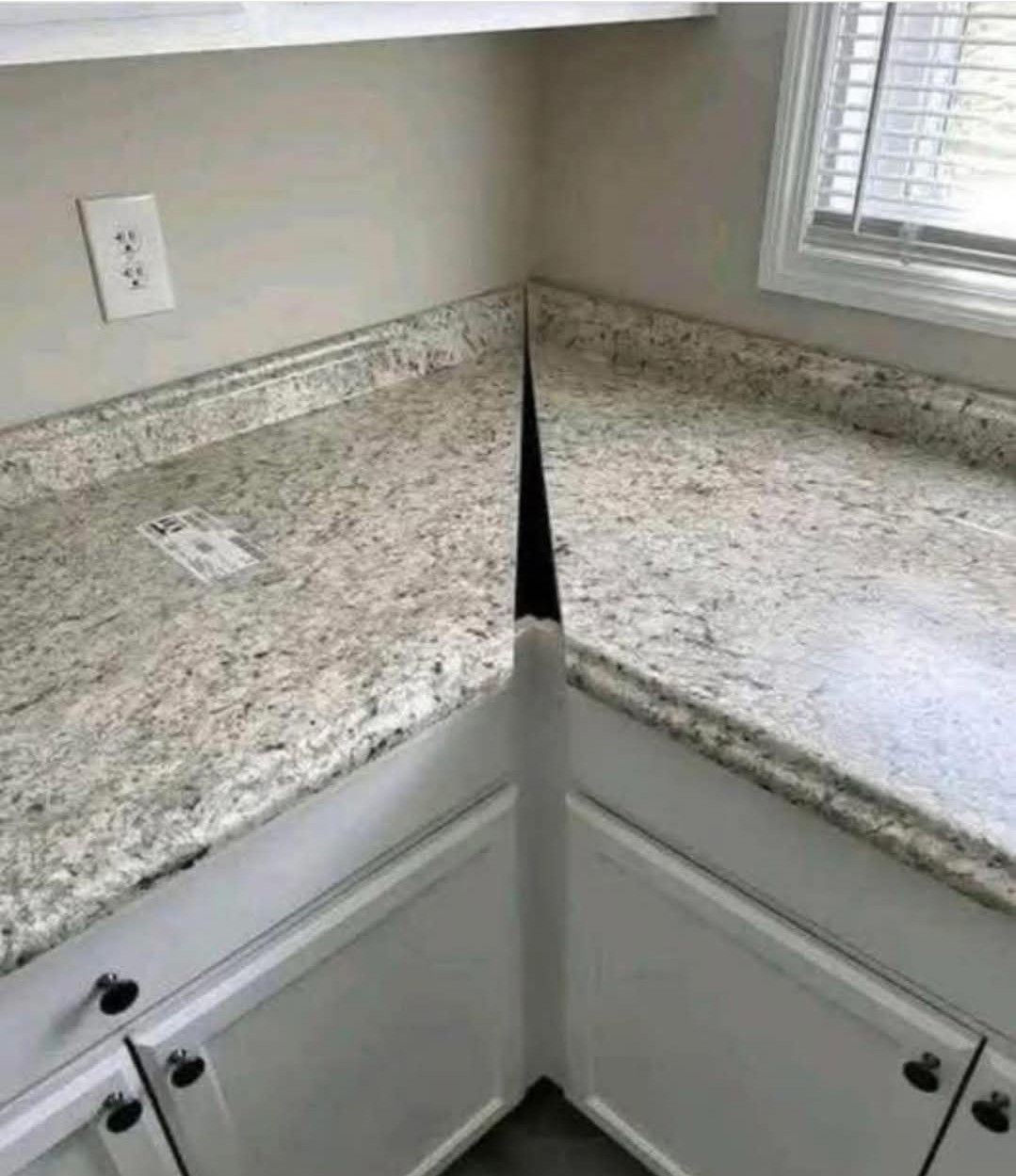
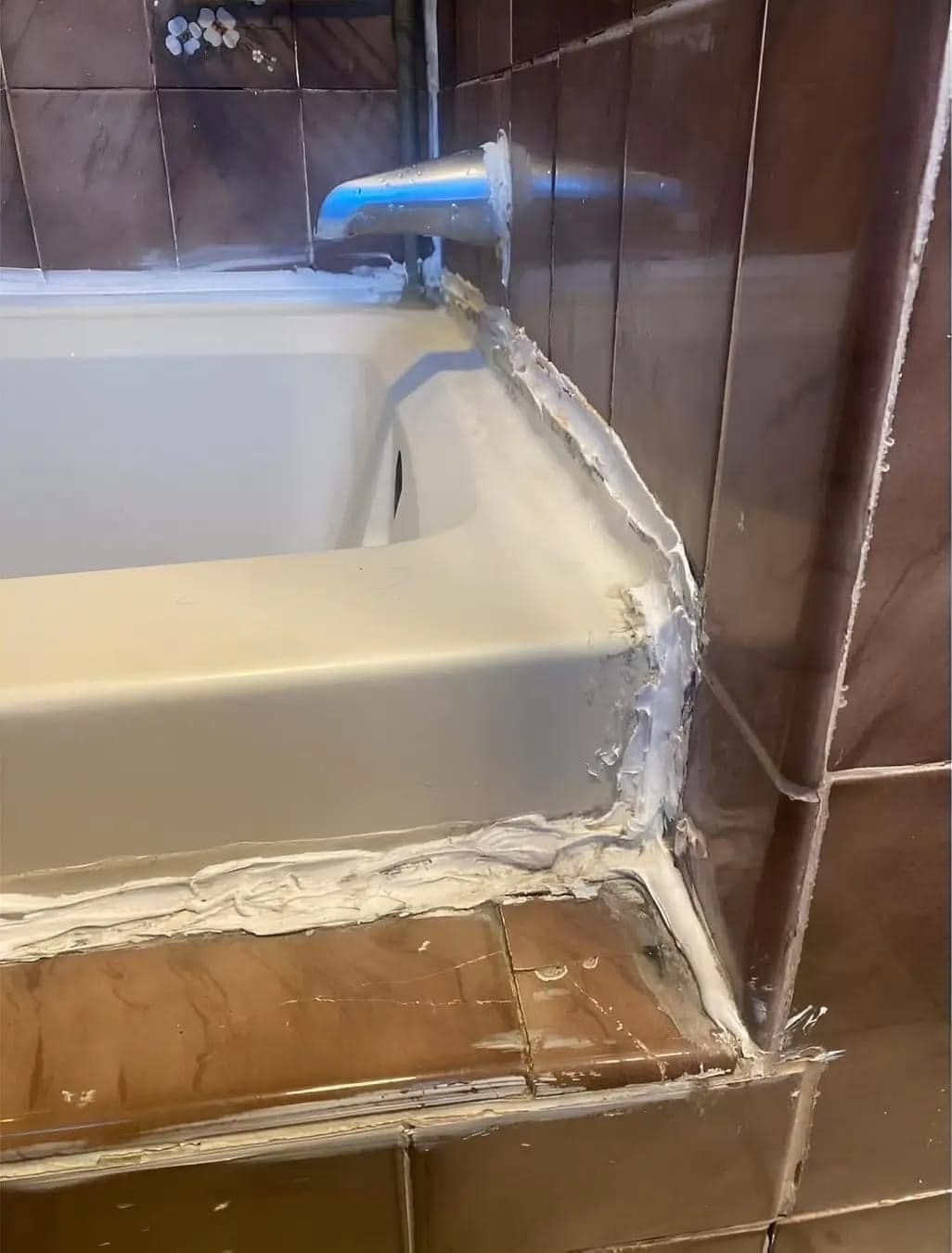
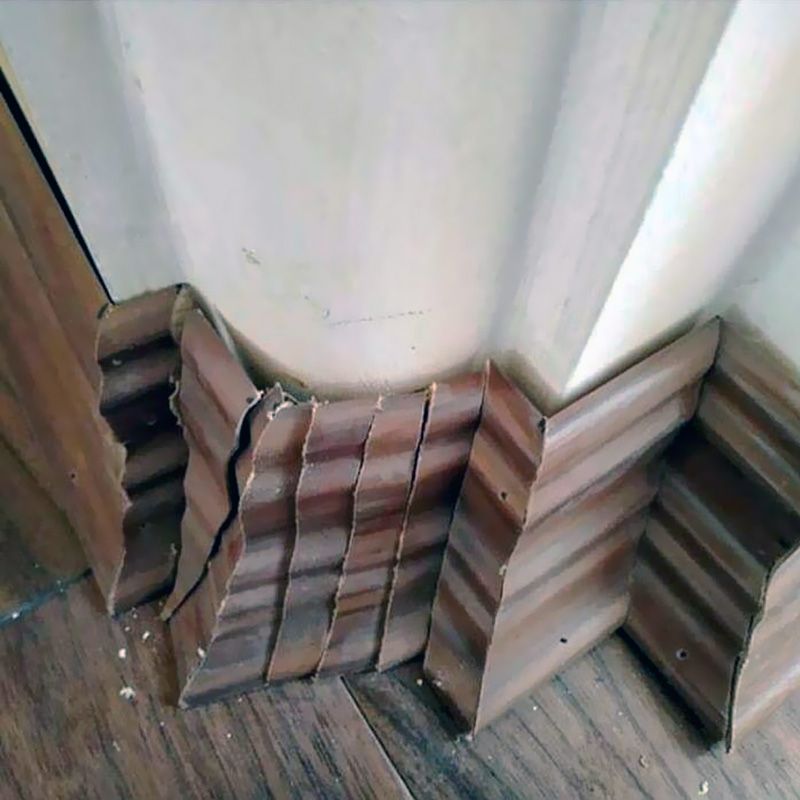
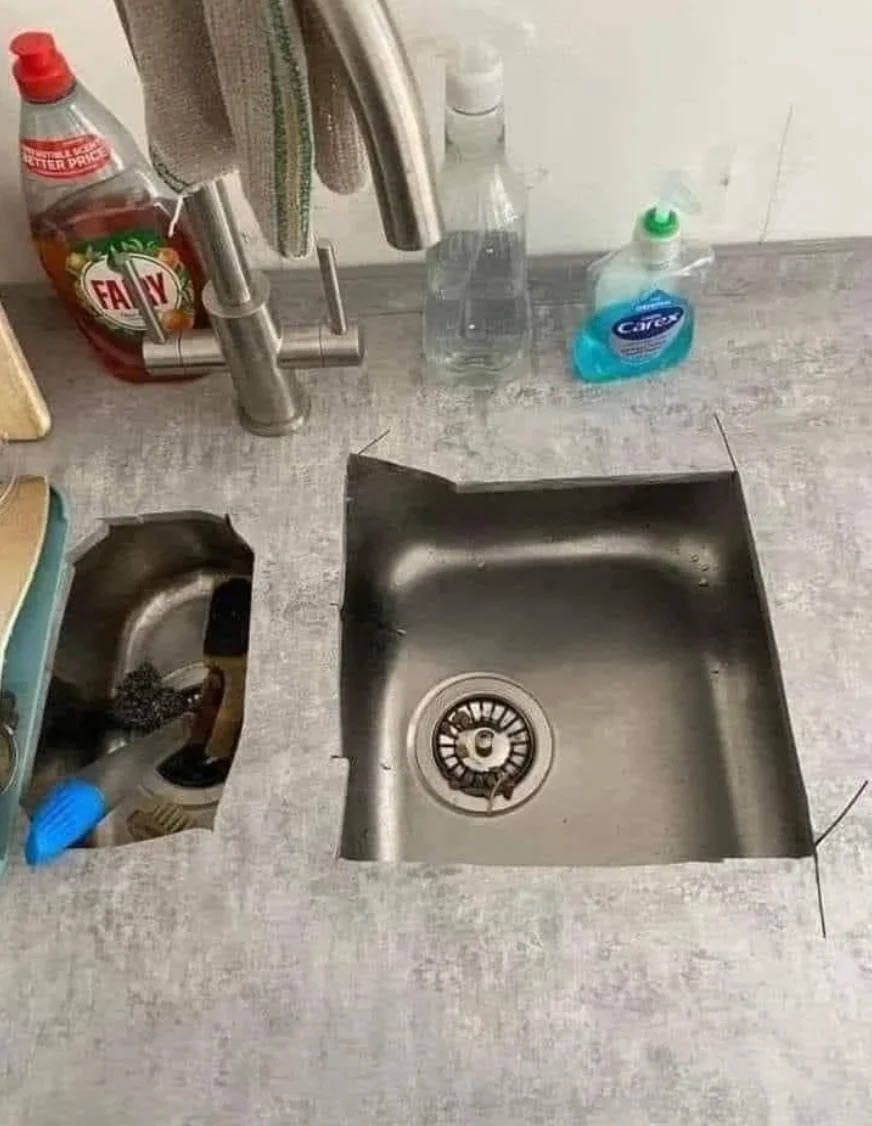
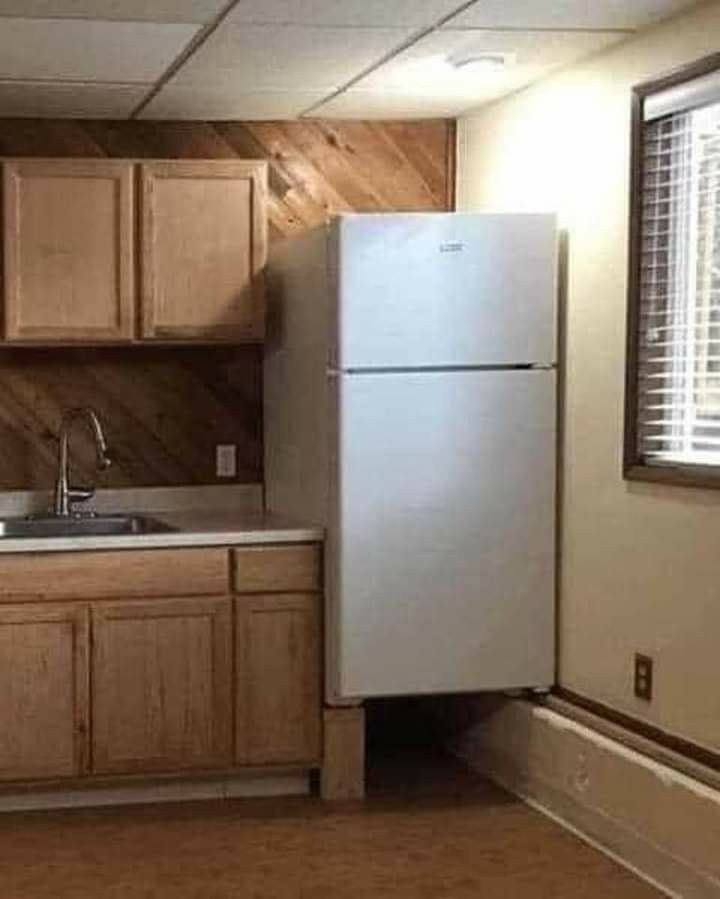
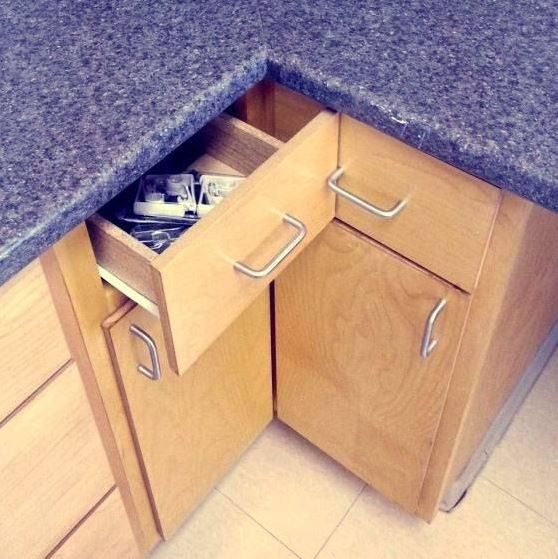
refers to the aesthetic of quick, cheap, and visibly careless repairs
without regard for quality, longevity, or coherence. Like painted-over
light switches, doorknobs and even cockroaches, a gesture that values
function over beauty.
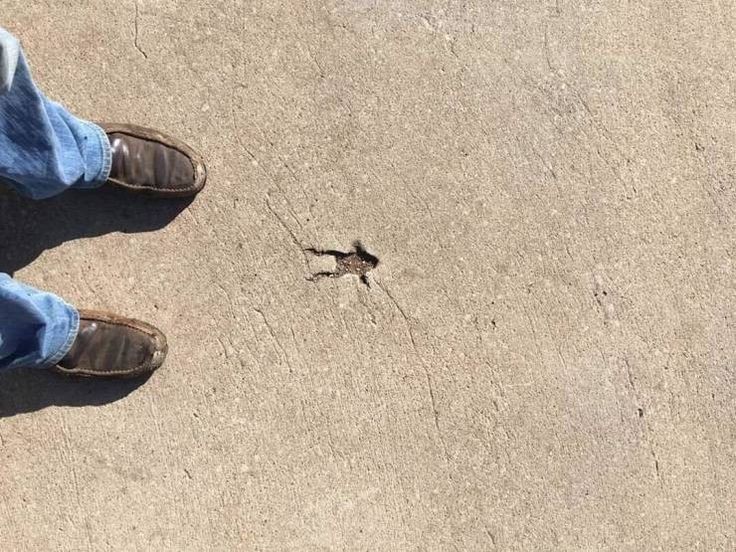
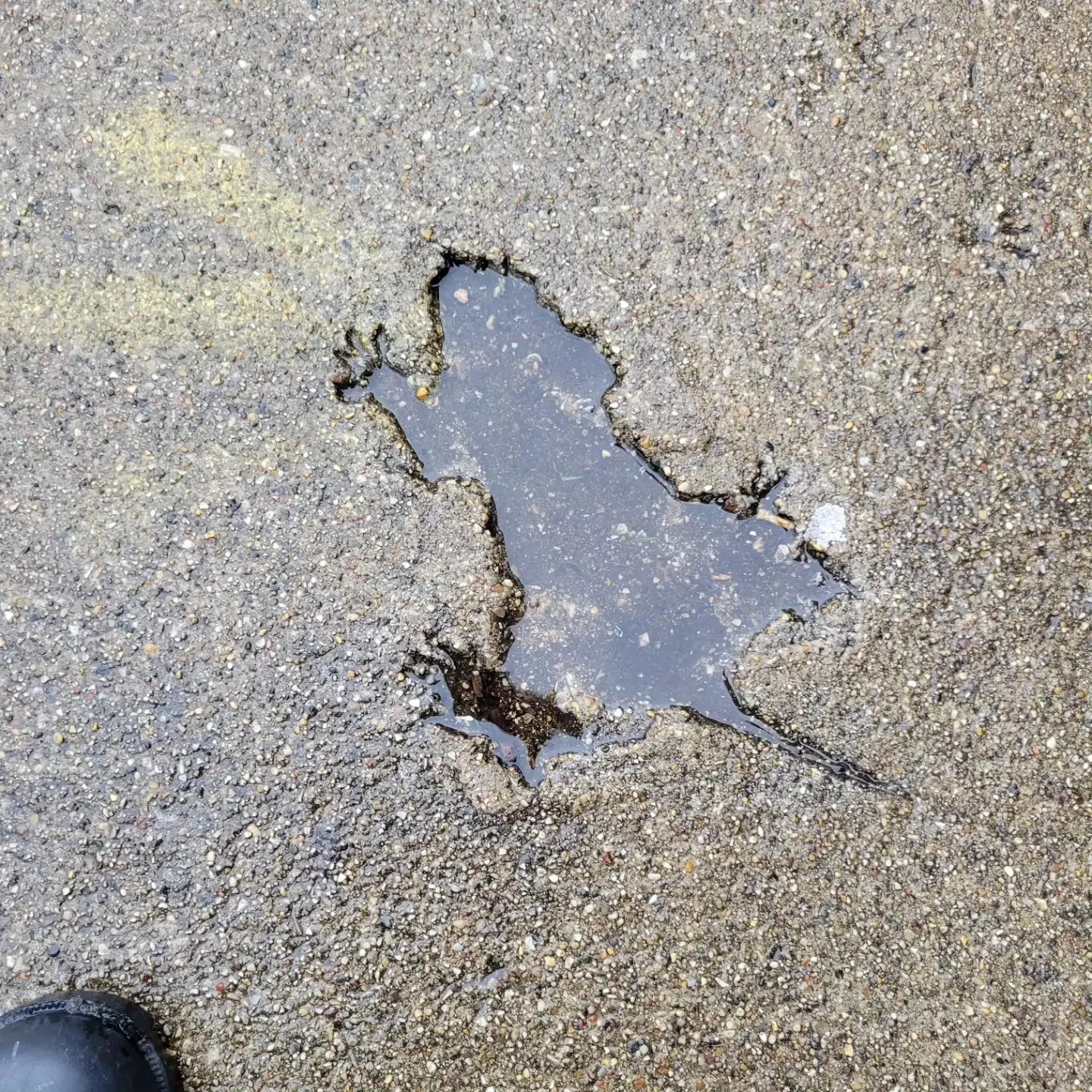
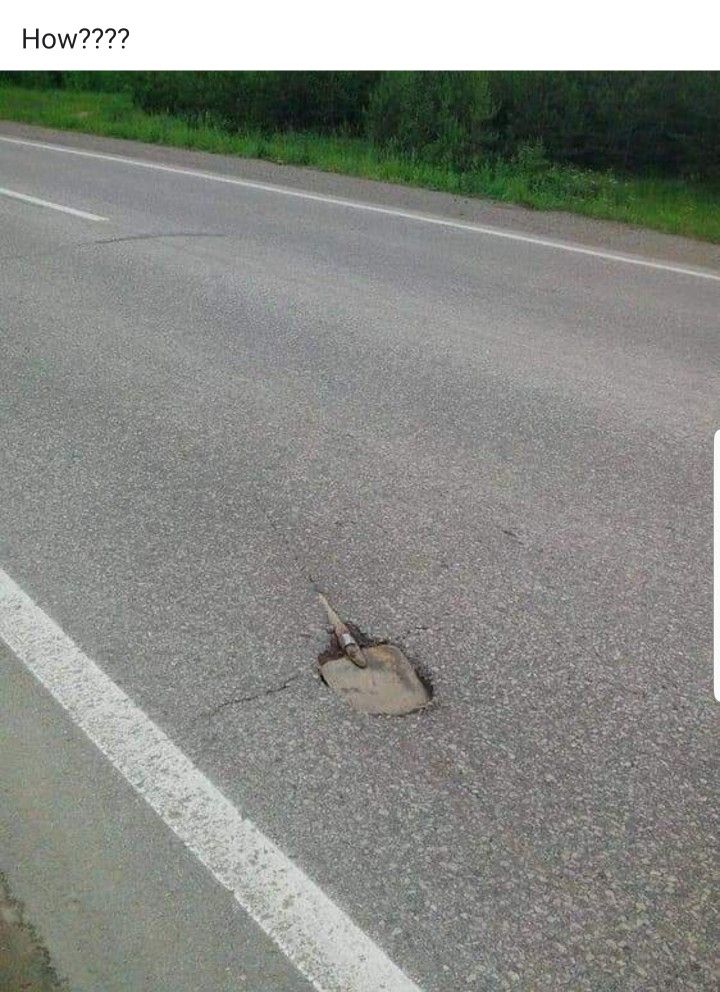
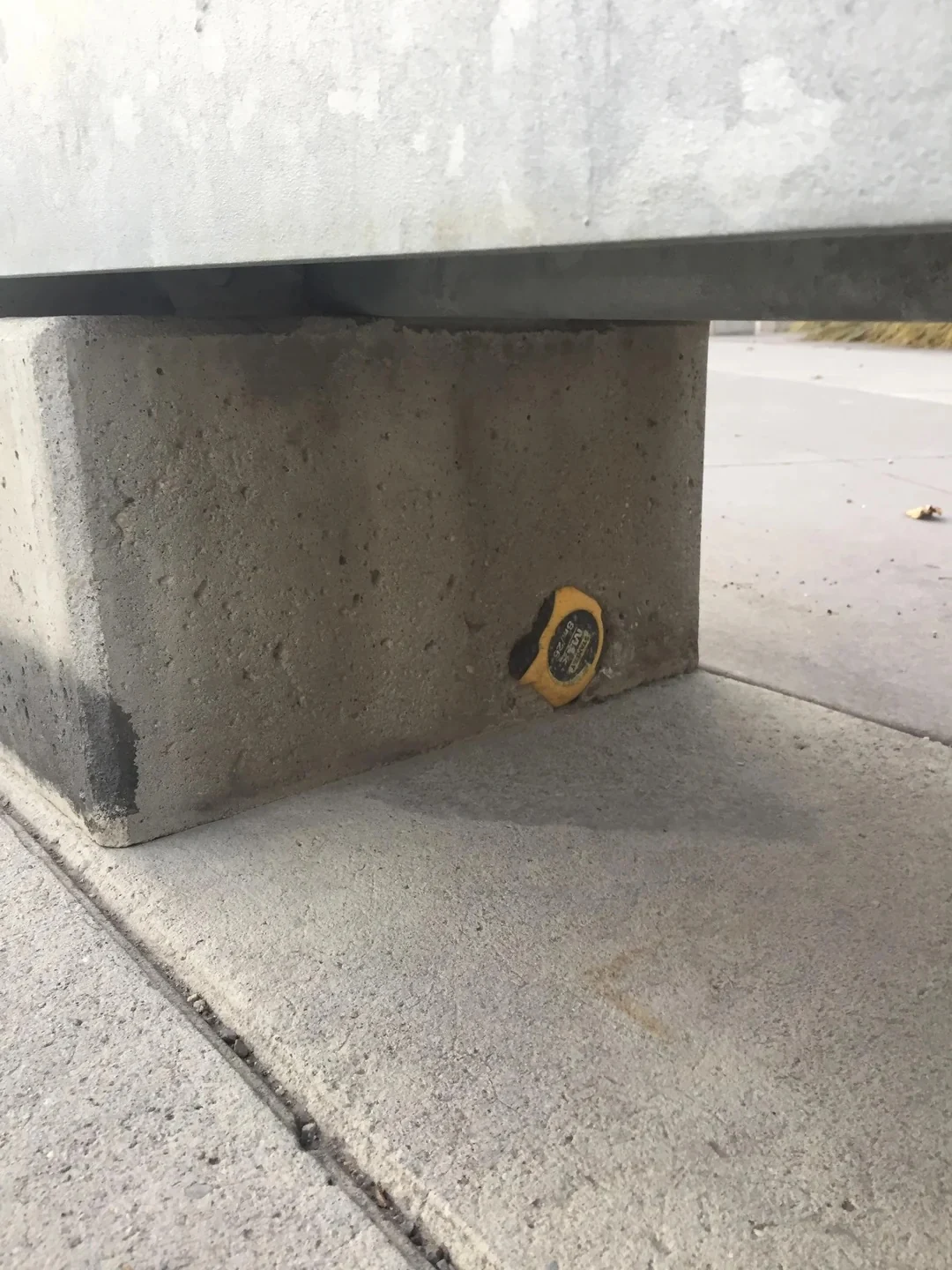
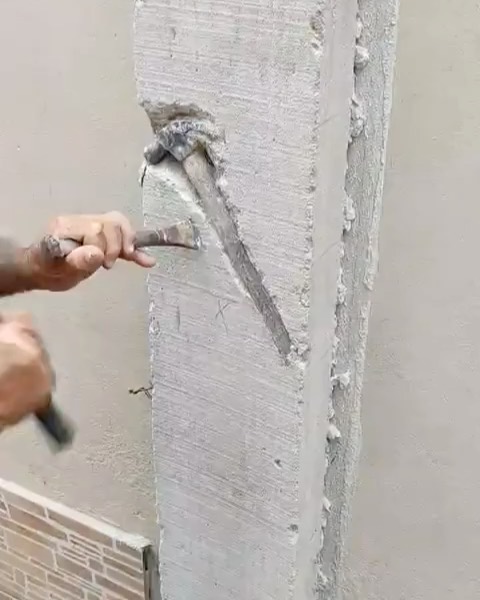
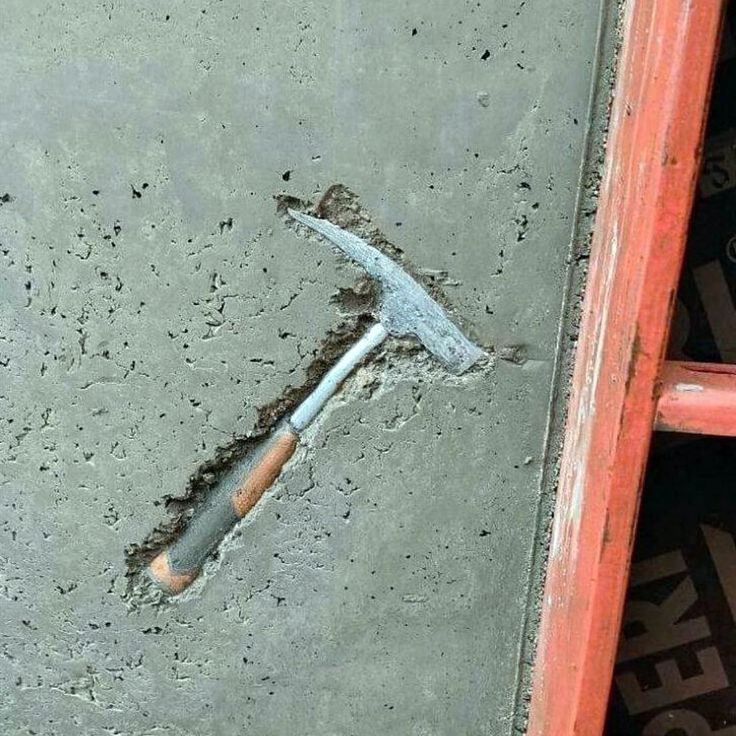
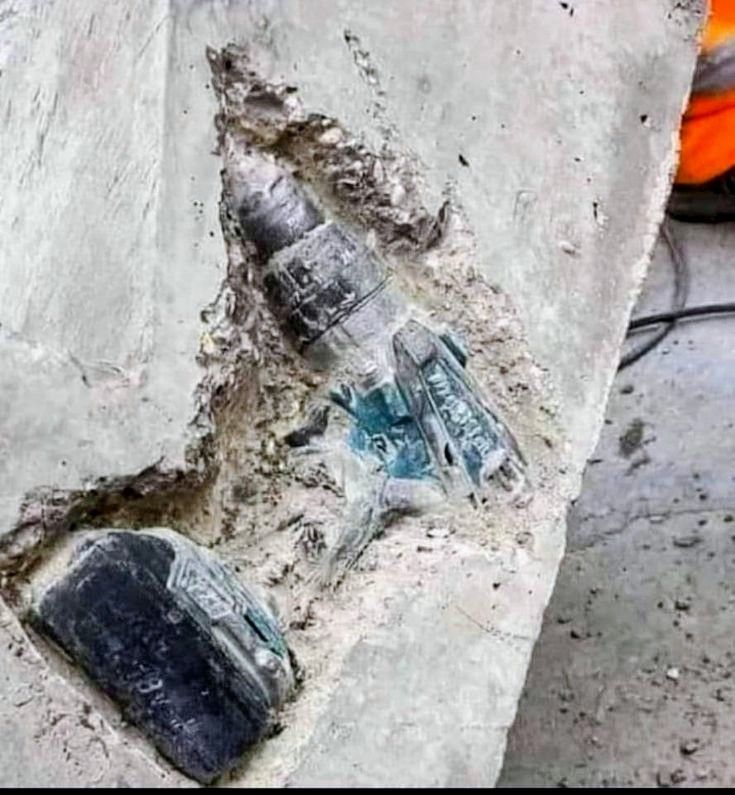
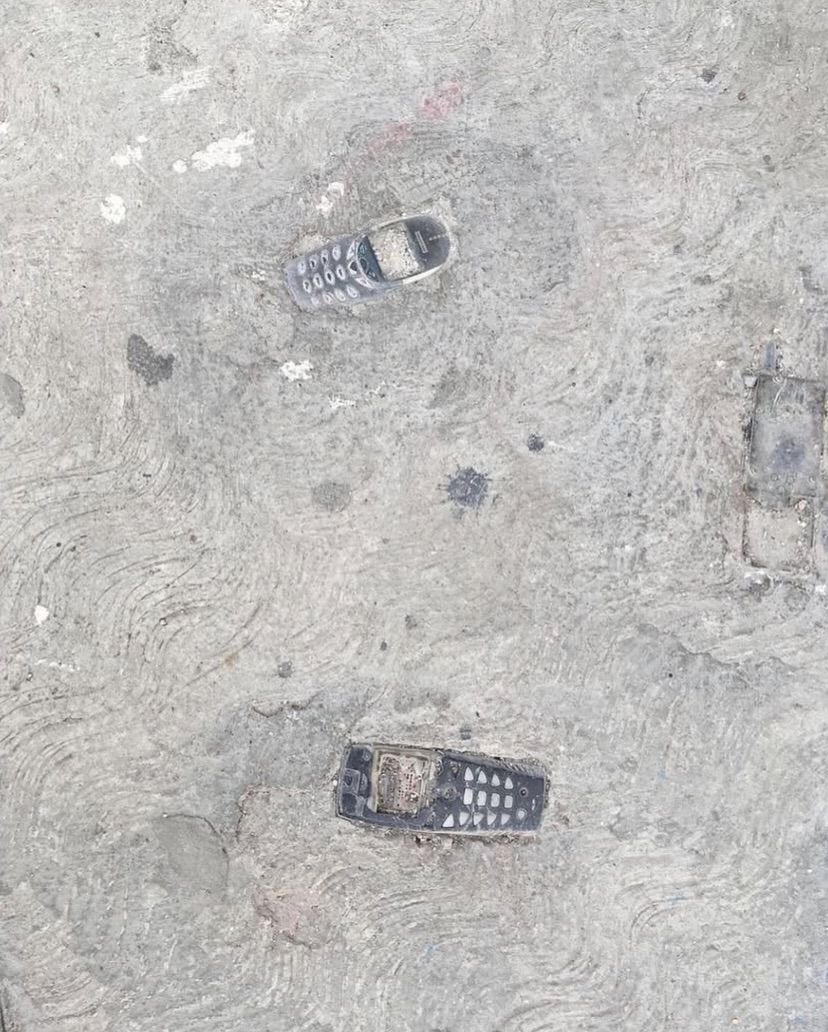
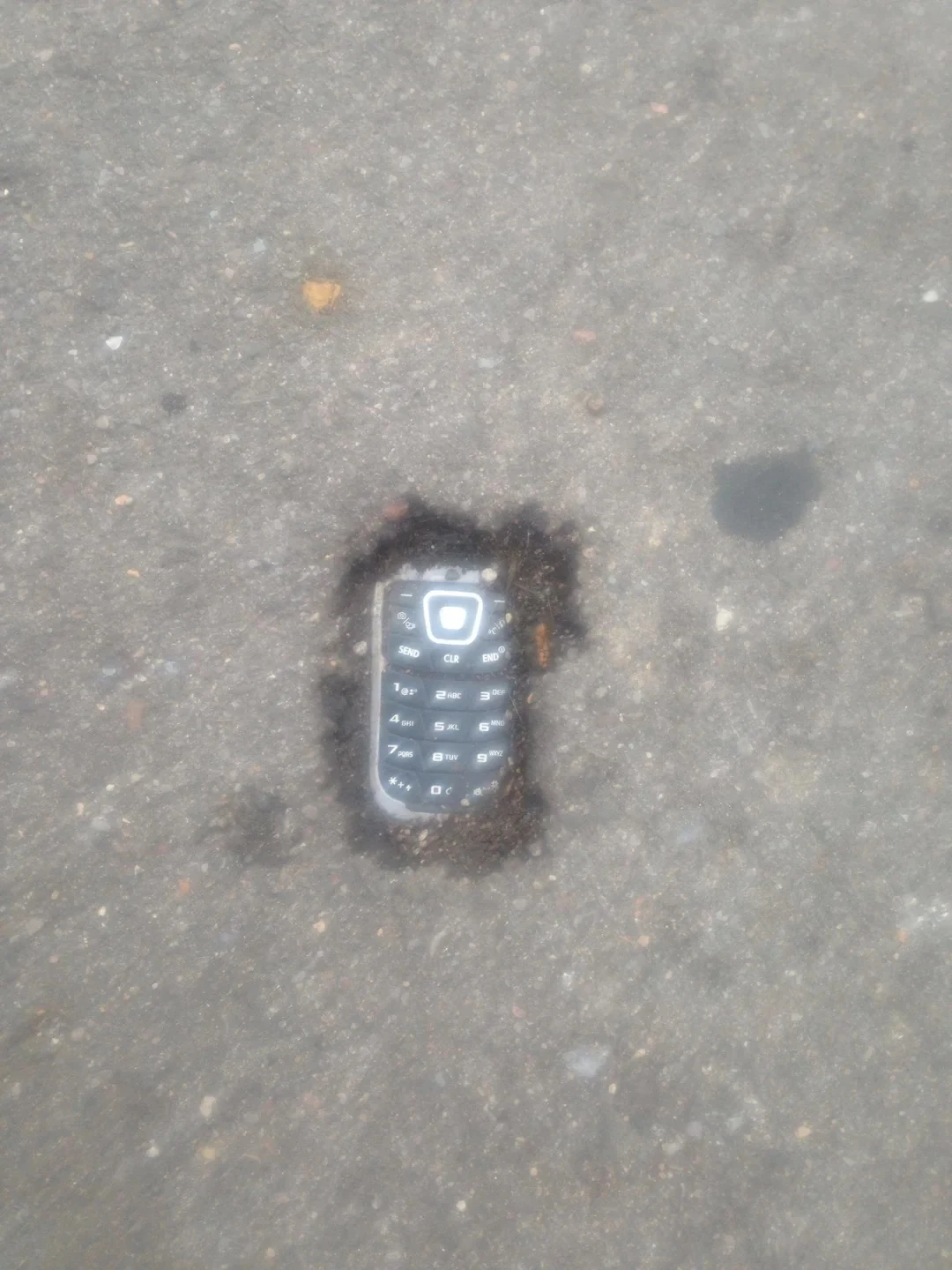
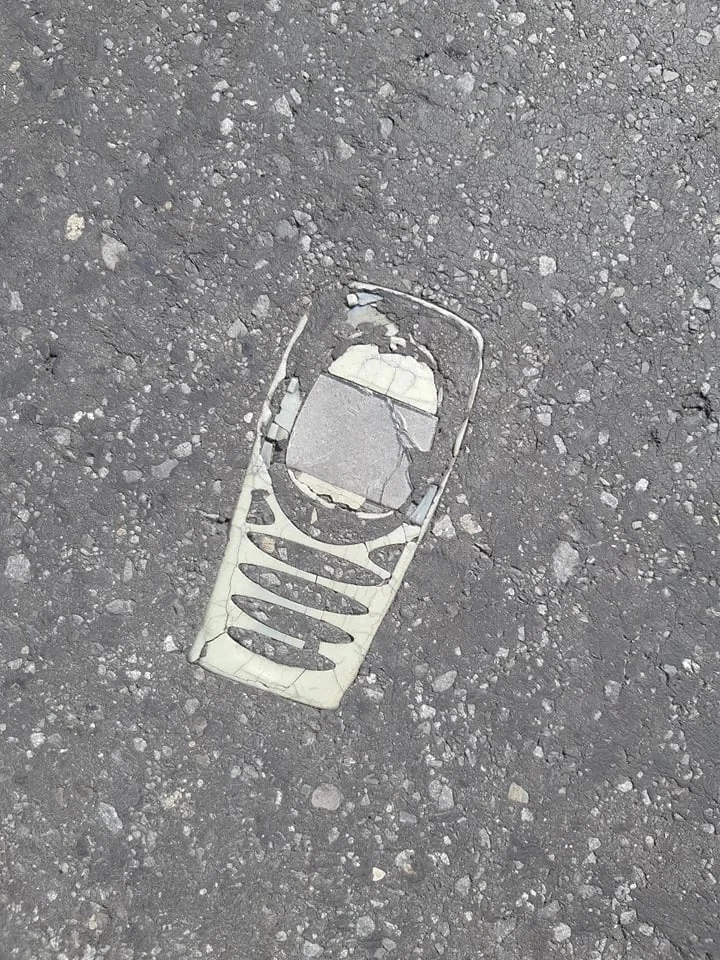
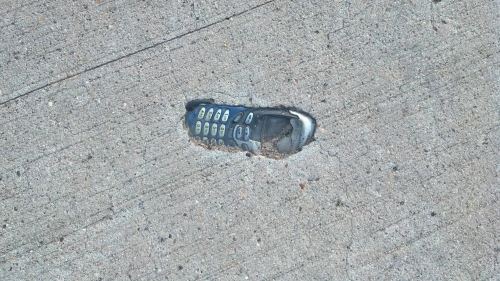
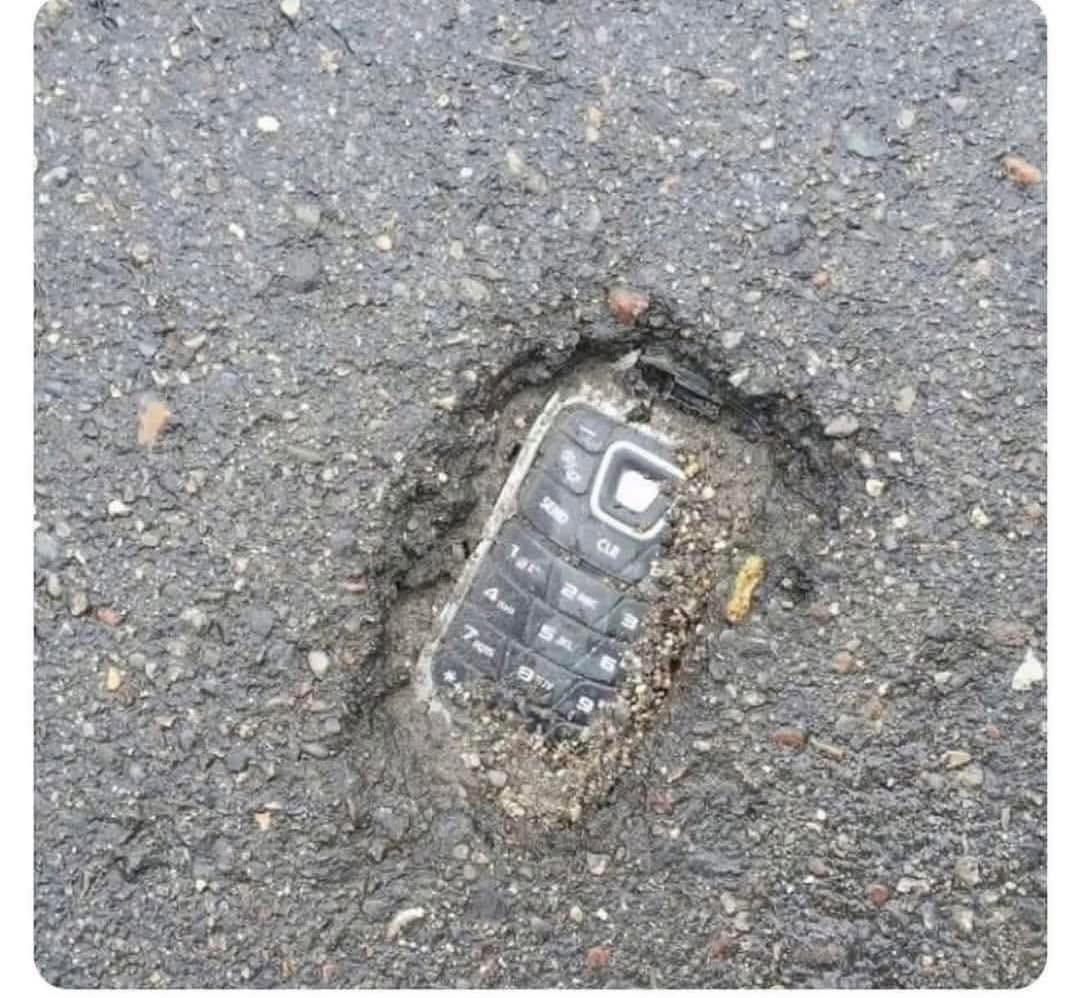
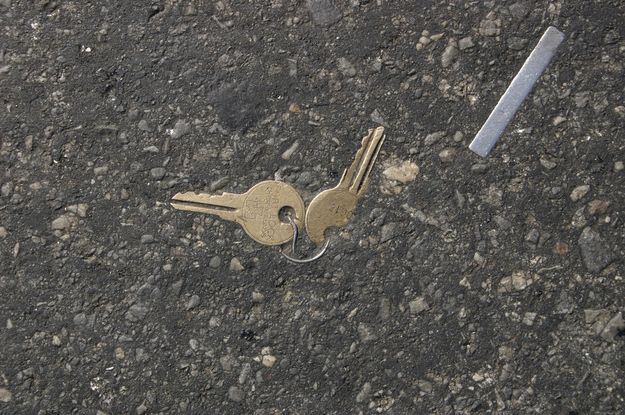
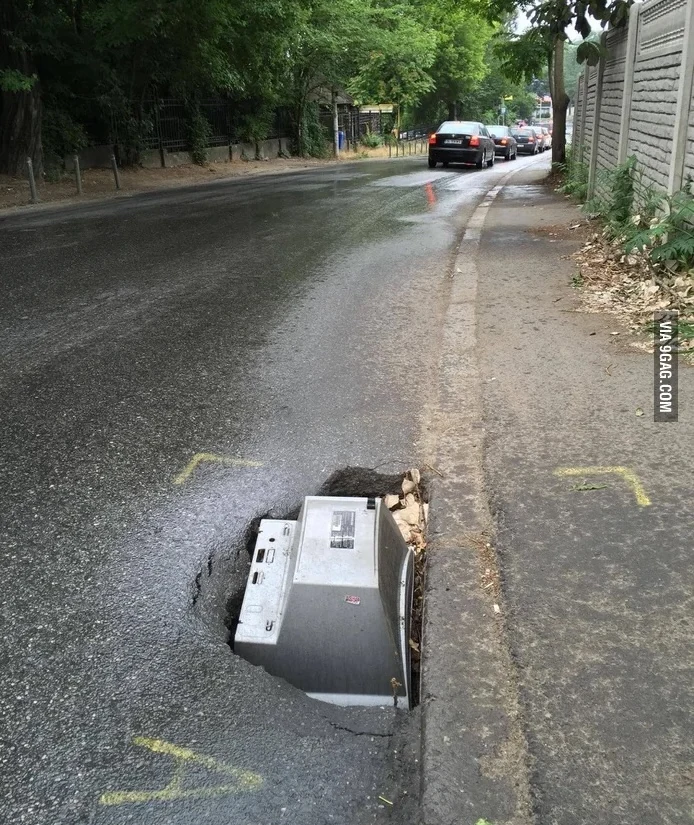
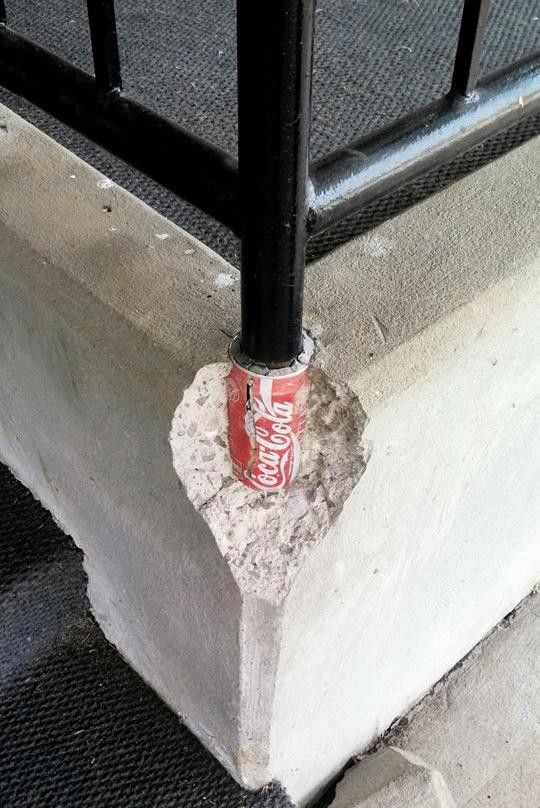
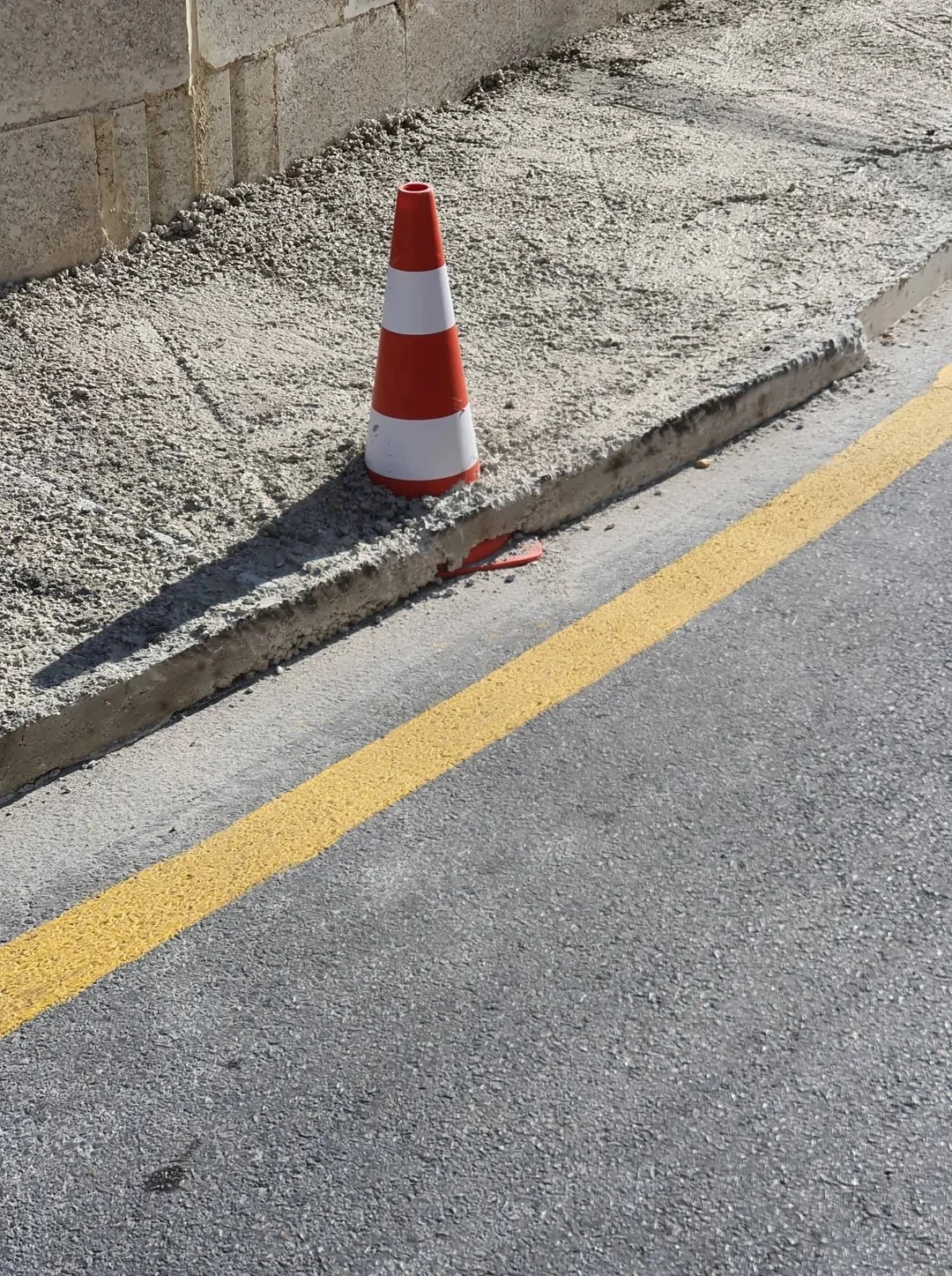
Fossilized Modernity
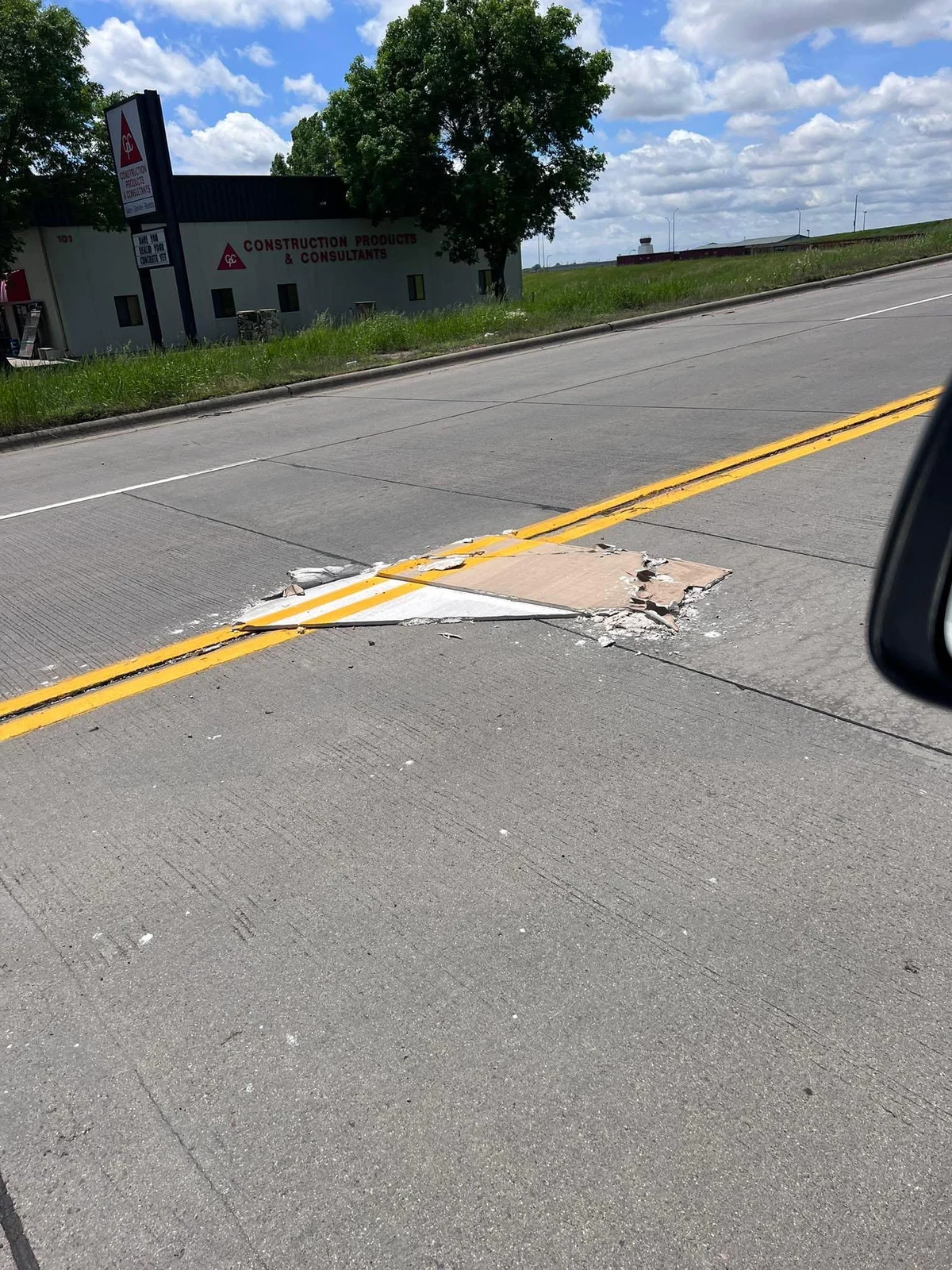
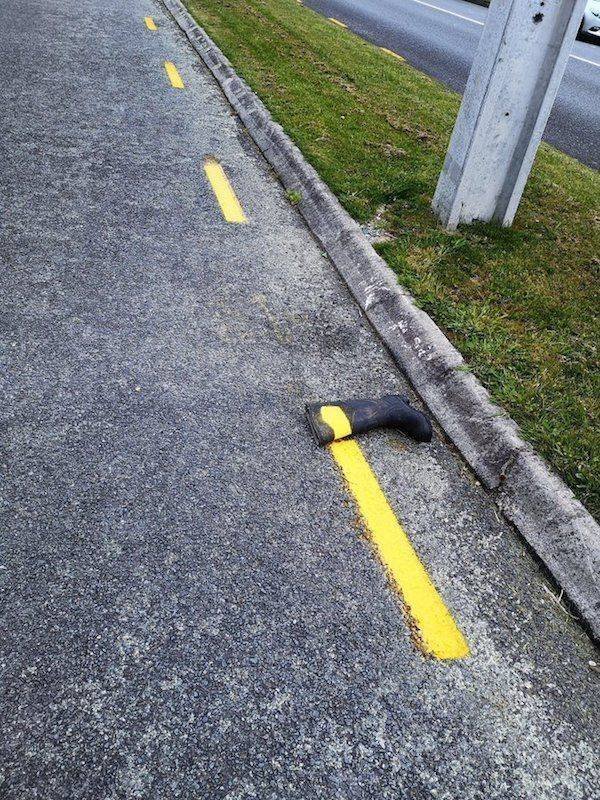
presents everyday objects embedded in concrete or asphalt, turning
phones, televisions, and construction tools into accidental
contemporary fossils. Objects associated with use and movement become
fixed within the built environment, preserved through the very
carelessness that rendered them useless.
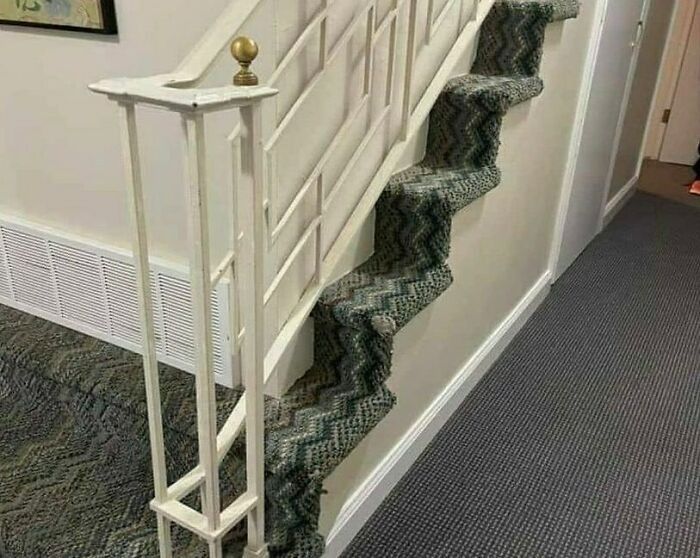
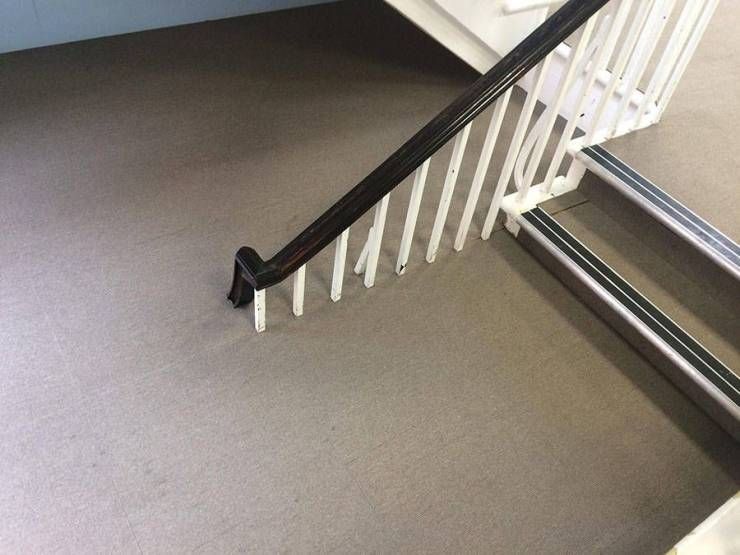
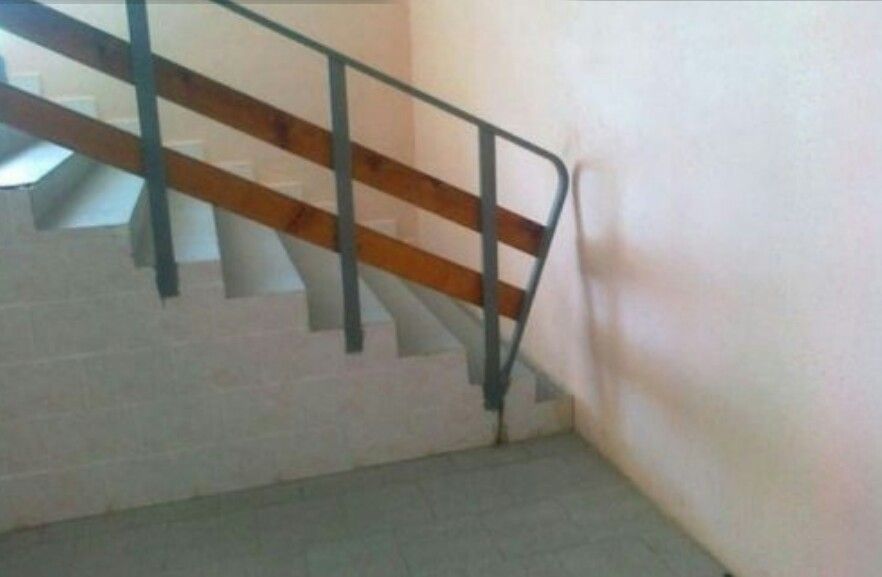
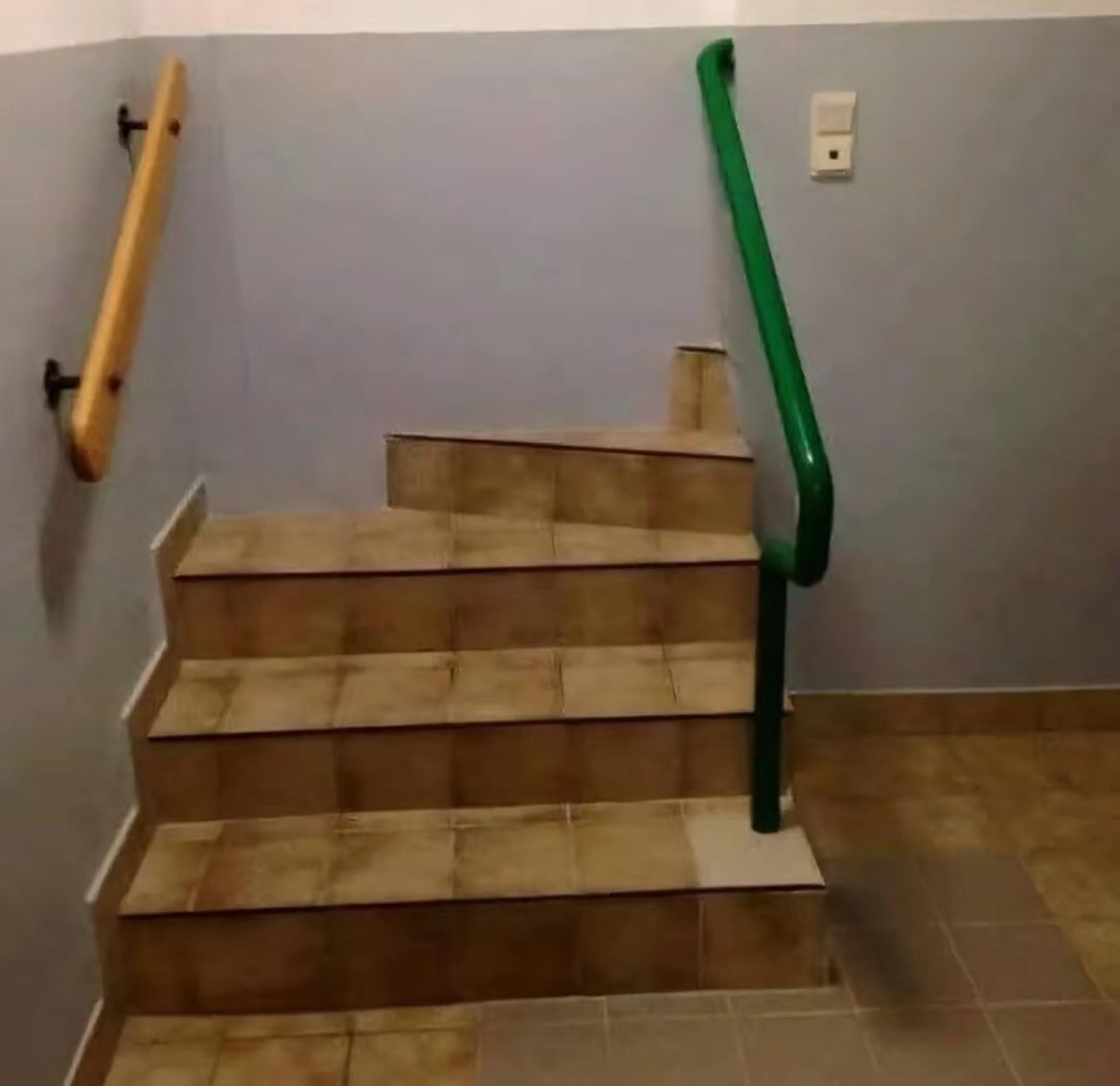
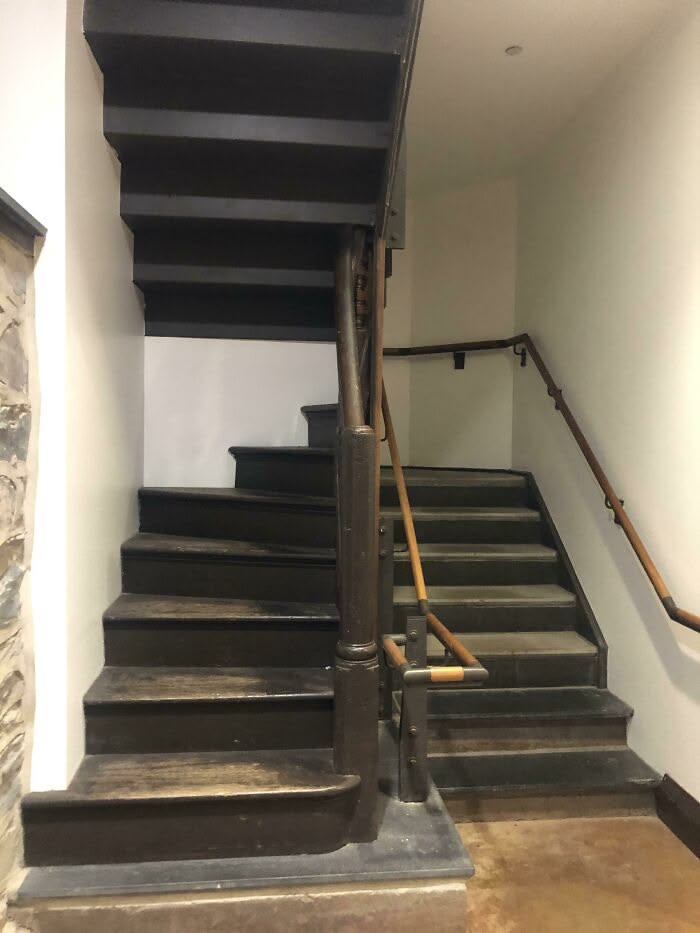
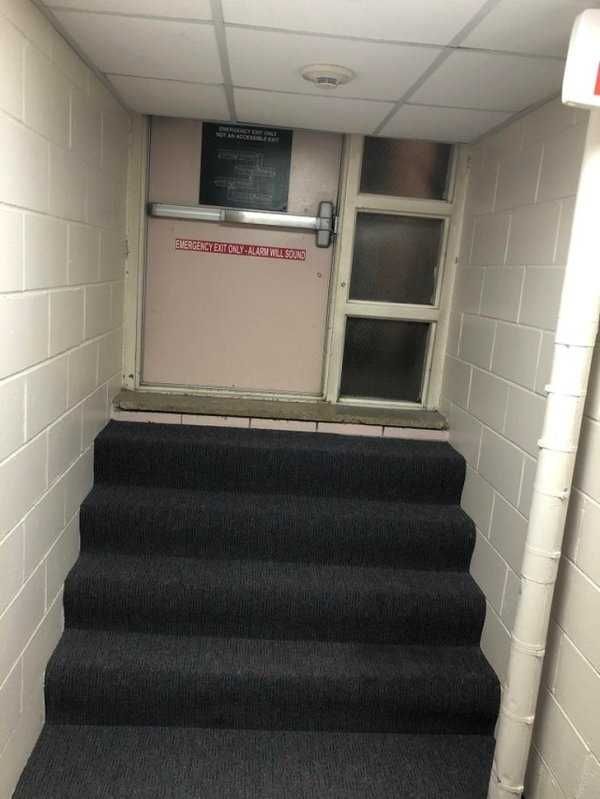
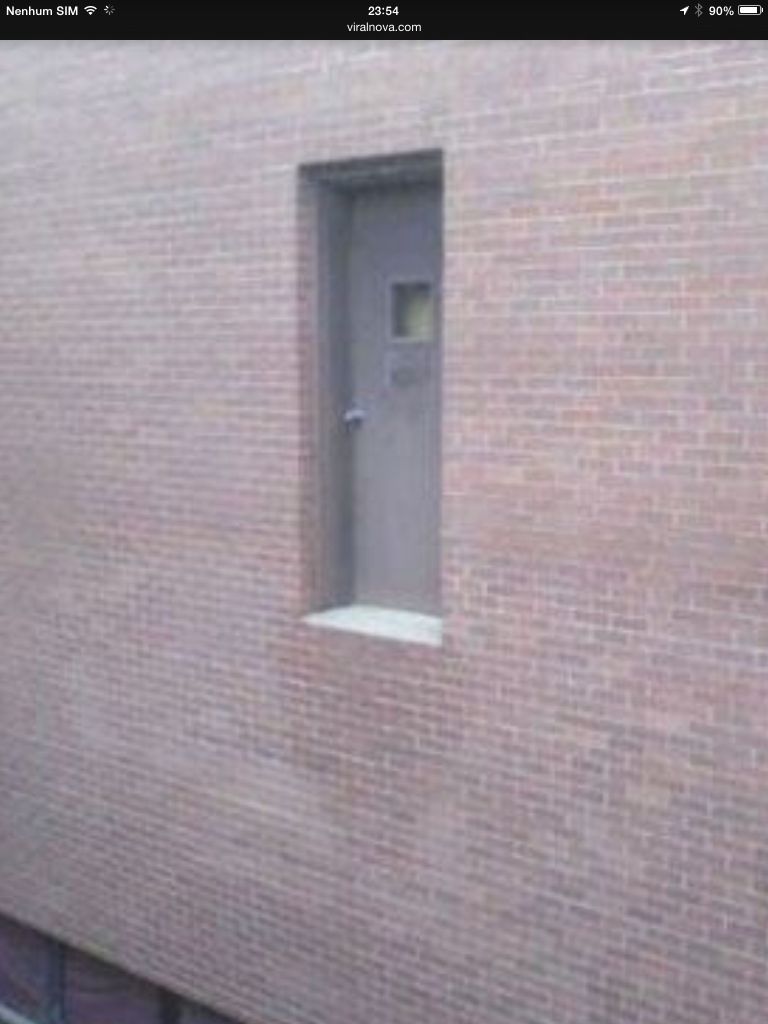
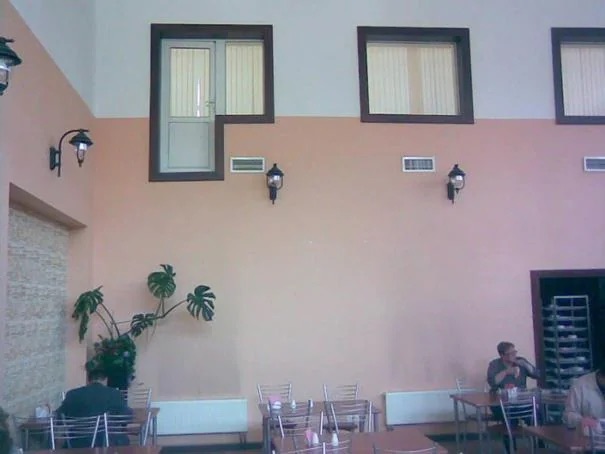
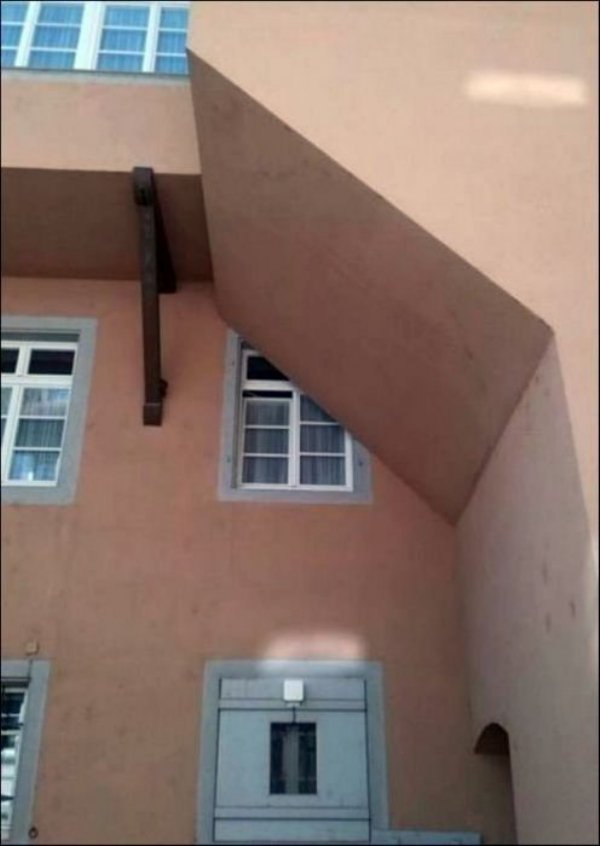
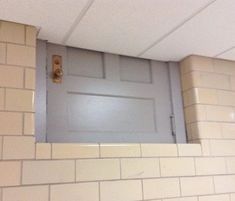
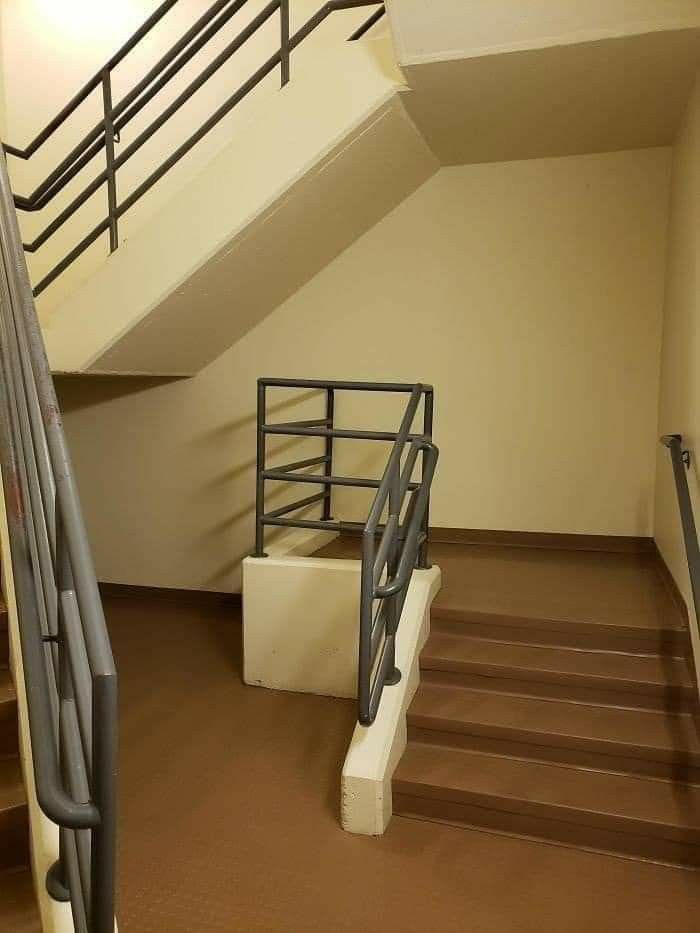
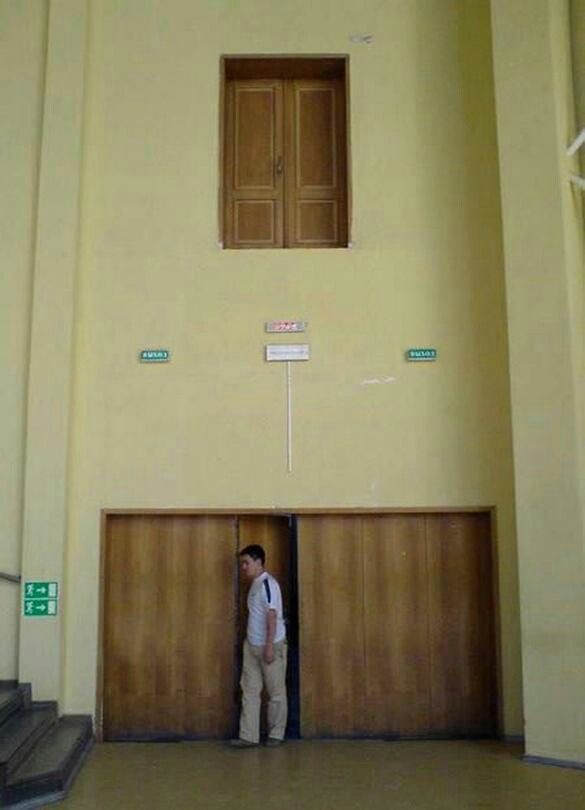
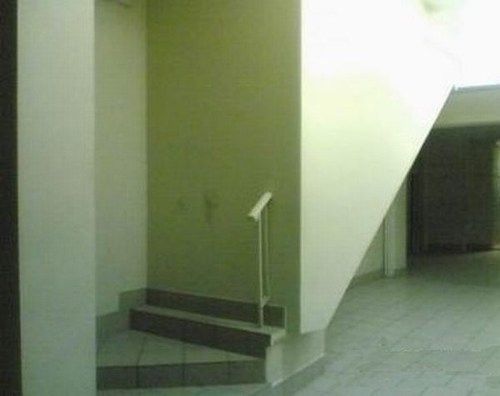
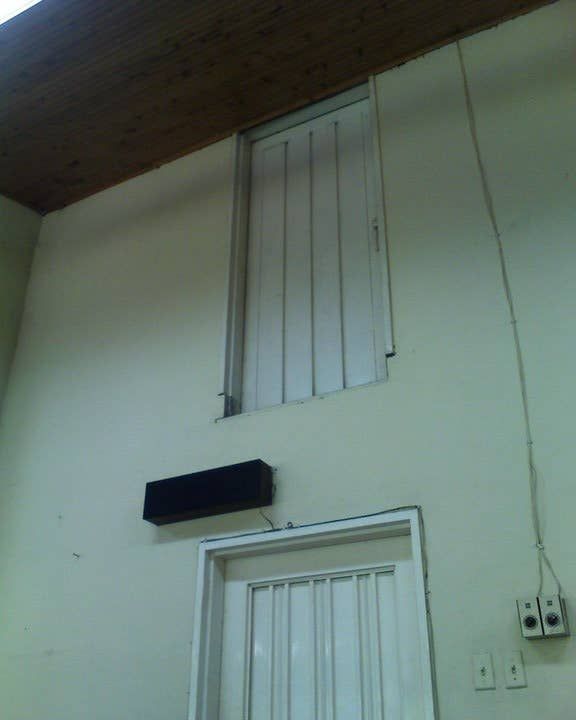
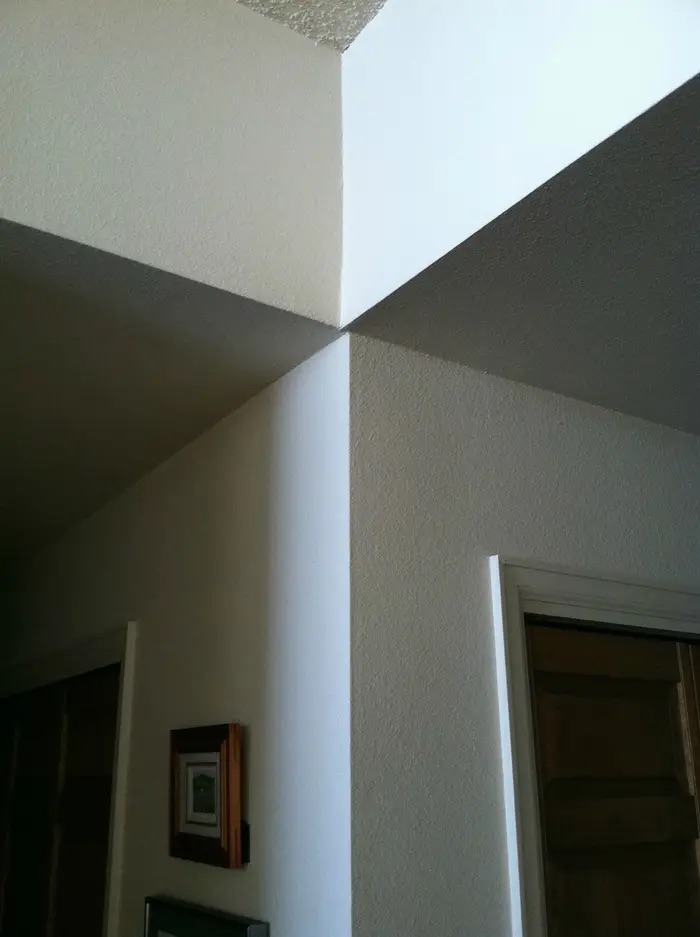
Backrooms Core
draws on the unsettling spatial logic of the internet’s Backrooms,
presenting familiar architectural elements assembled in unfamiliar
ways. Half-doors, stairs leading nowhere, and inaccessible entrances
make ordinary environments appear incorrectly reconstructed,
somewhere between an unfinished building and a faulty copy.
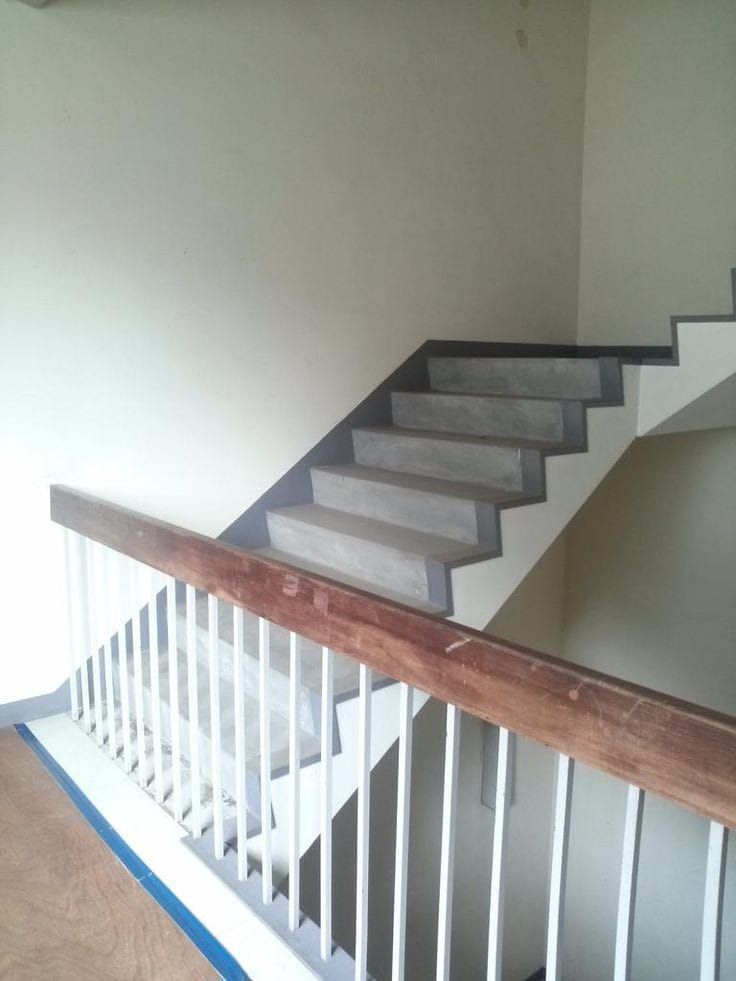
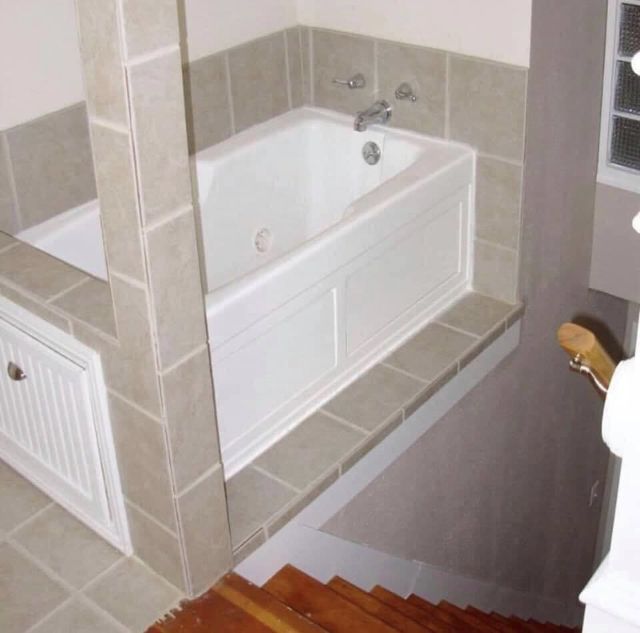
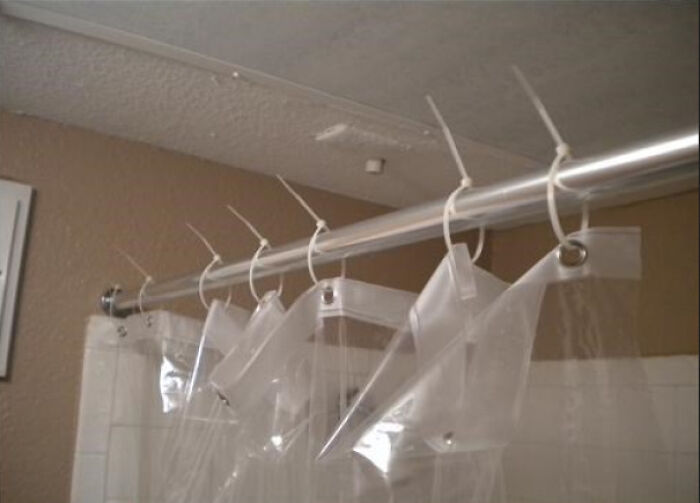
Home Disimprovement
flips the language of home improvement to suggest interventions
that make a space worse, uglier, less functional, more confusing
like a stairway leading to nowhere or weirdly constructed doors.
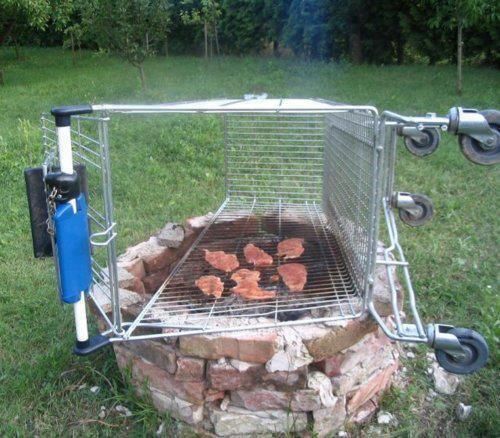
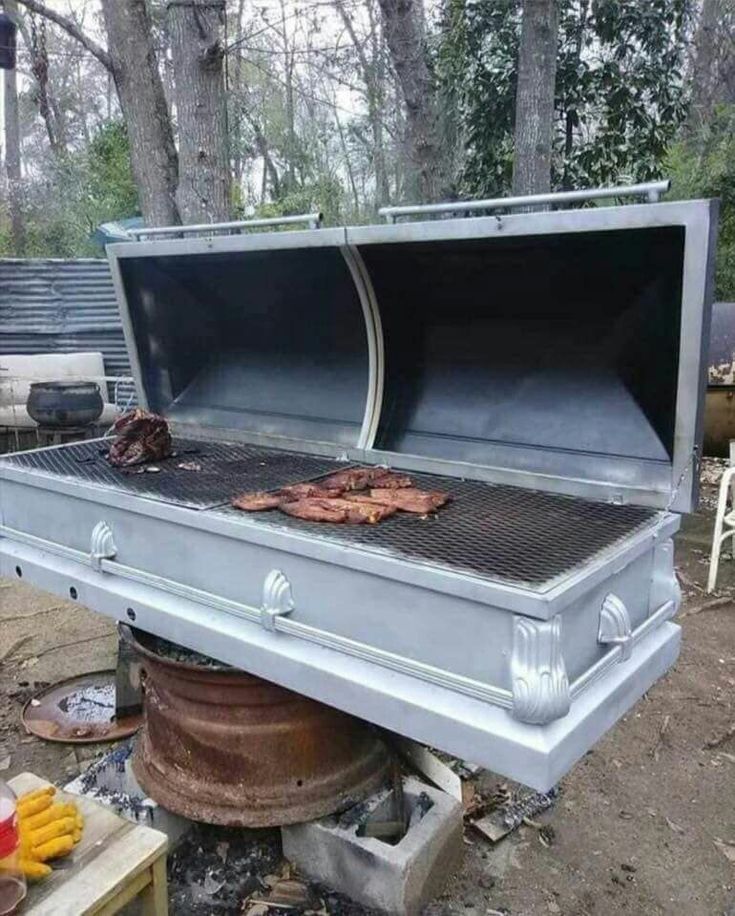
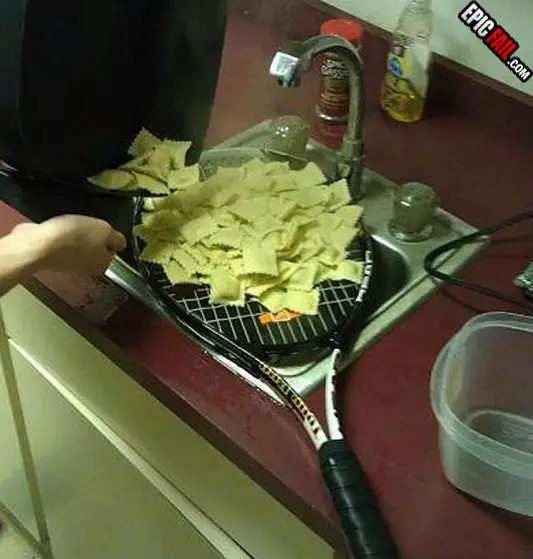
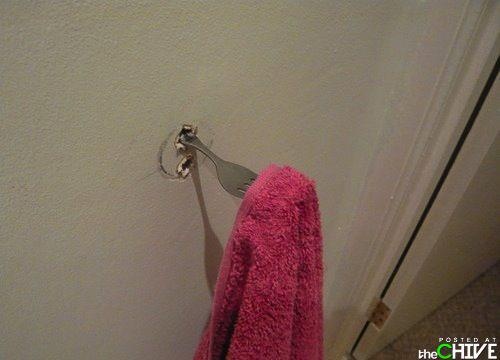
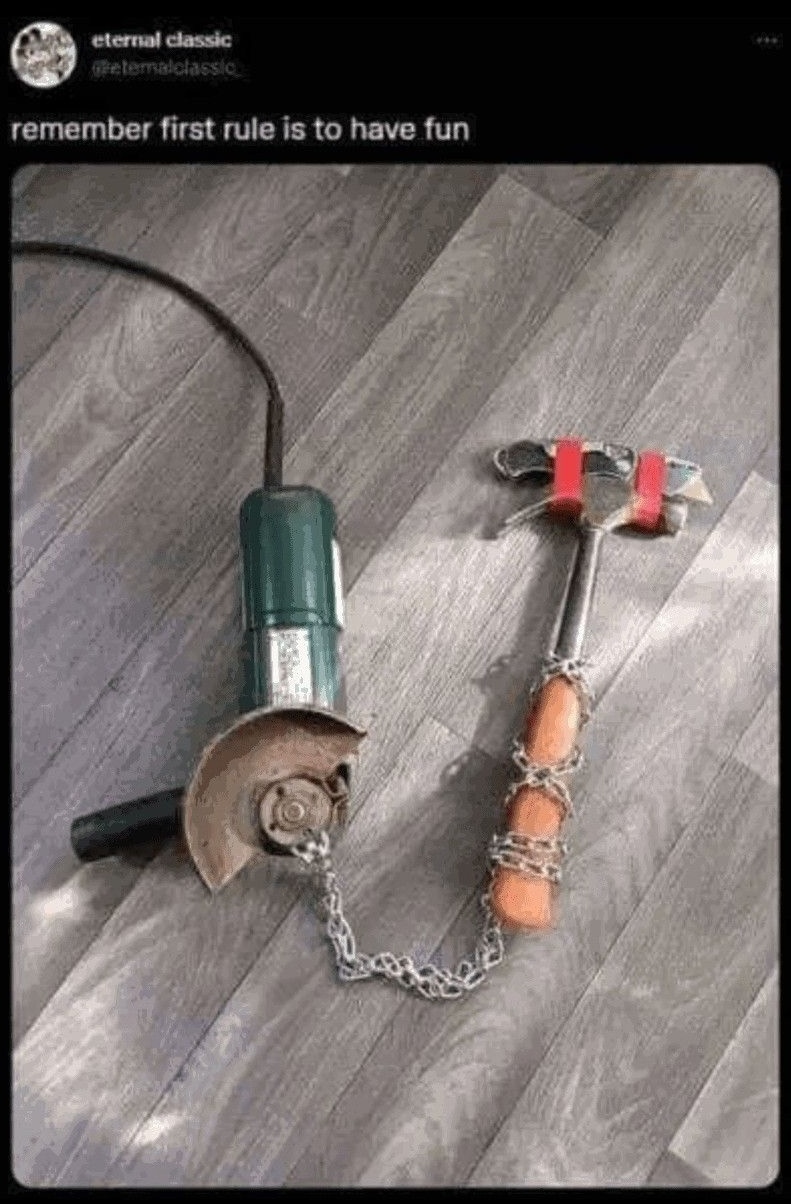
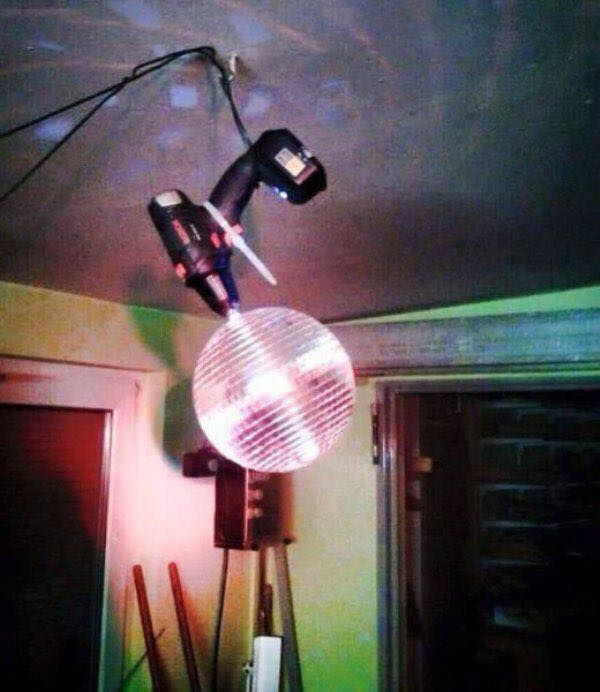
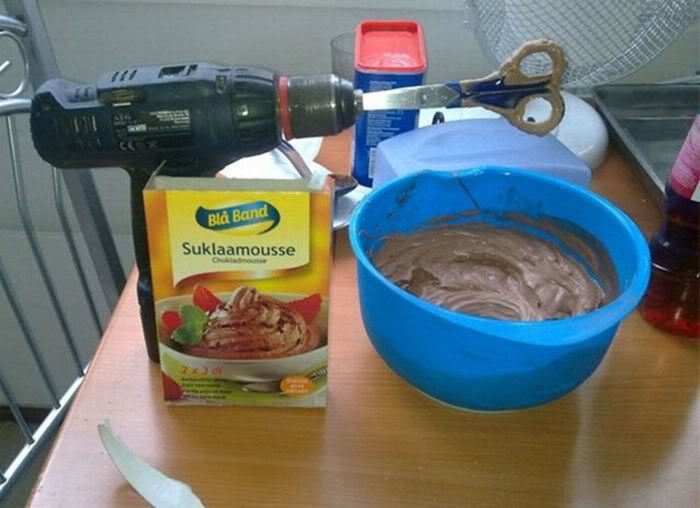
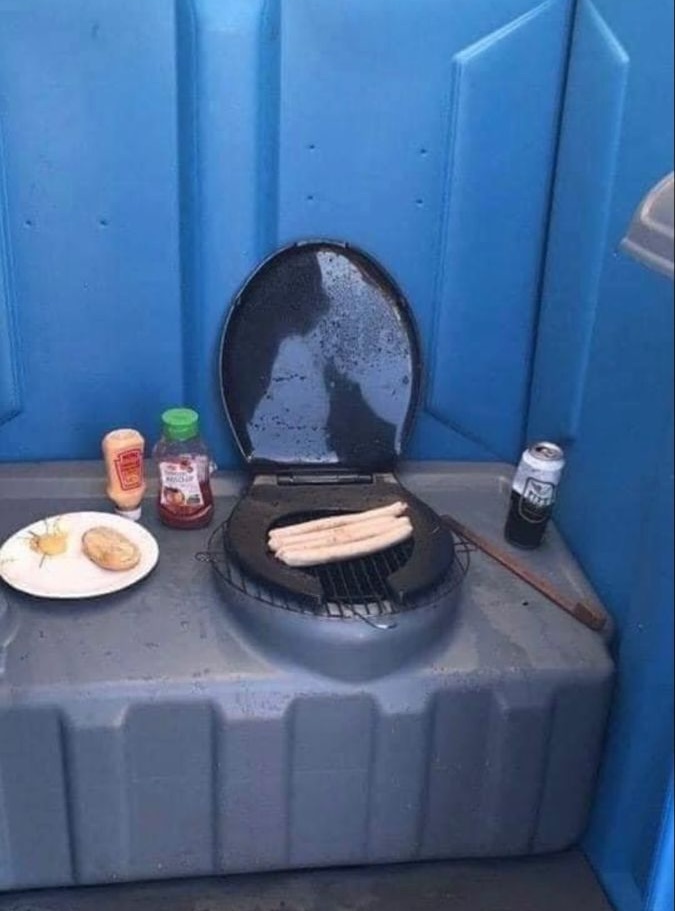
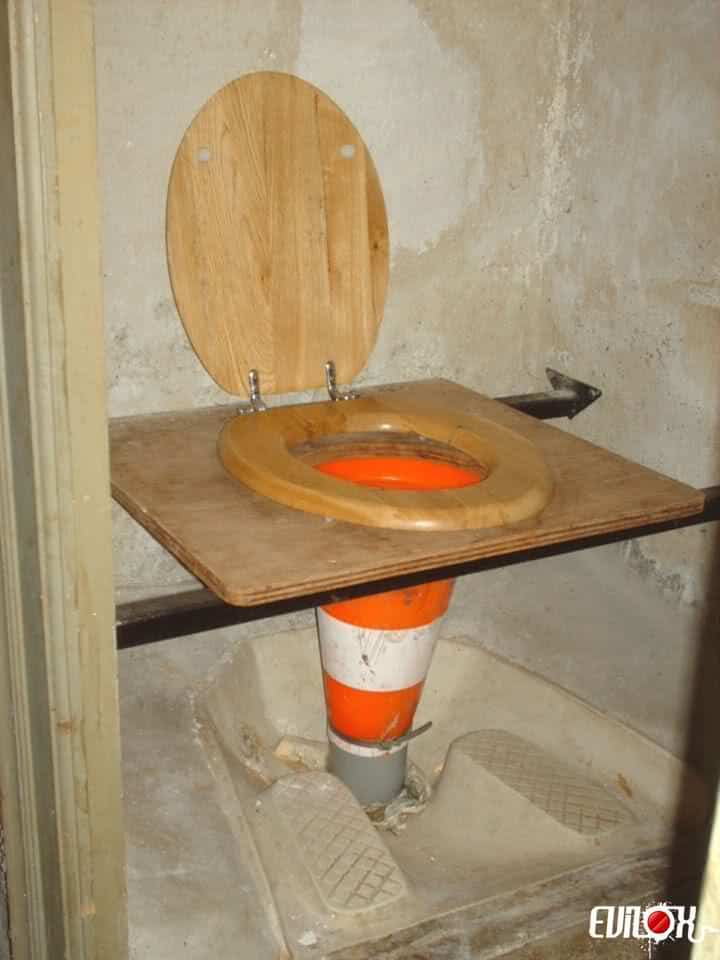
Cursed DIY
captures the humor of failed homemade projects: improvised BBQ’s or
comically unsafe construction gear, it celebrates the chaotic
outcomes of trying to make it work leads to unpredictable, janky,
and absurd results.
These images have been pulled from different websites and platforms such as:
1001 Pallets, 9Gag, Blended Fun, Blogspot, Bored Panda, Bright Side, Bugaga, Buzzfeed, Cheezburguer, Construcao Civil, Daily Mail, Death To Boredom,
Dongascience, Ebaums World, Facebook, Imgur, Instagram, Interesting,
Enginnering, Klyker, Kobe, Larnaka Online, Metro, Nypost, Pinterest, Piximus, Pleated Jeans, Reddit, Shareably, Sigmoid Social, The Chive, The Fun Post,
Thunder Dungeon, Tiktok, Ukrainian Photoalbum and X.
Thesis project by Camila Mignon.
Masters in Communication Design, 2026, Faculdade de Belas Artes
da Universidade de Lisboa.
This site was built with the help of AI.